

-
Products -PCBA Manufacturing RF Connectors RF Cable Assemblys Embedded Antennas External Antennas GNSS Positioning Solutions
RF Connectors

RF Cable Assemblys
Embedded Antennas
External Antennas
GNSS Positioning Solutions






 Language


Language



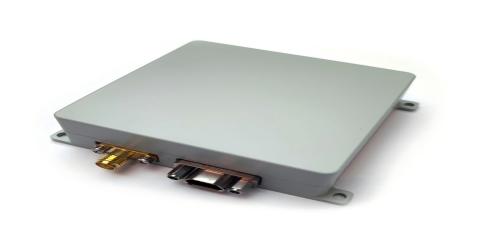
GNSS receiver board assembly is a critical precision engineering process that defines the positioning accuracy, signal stability, and longterm durability of Global Navigation Satellite System (GNSS) devices. Whether for consumer GPS trackers, industrial RTK survey equipment, automotive navigation systems, drone positioning modules, or IoT location sensors, professional GNSS board assembly ensures consistent satellite signal reception, minimal interference, and compliance with global positioning standards

Turnkey GNSS receiver box build is the ultimate solution for businesses, engineers, and field technicians seeking plugandplay highprecision positioning systems without complex custom development.
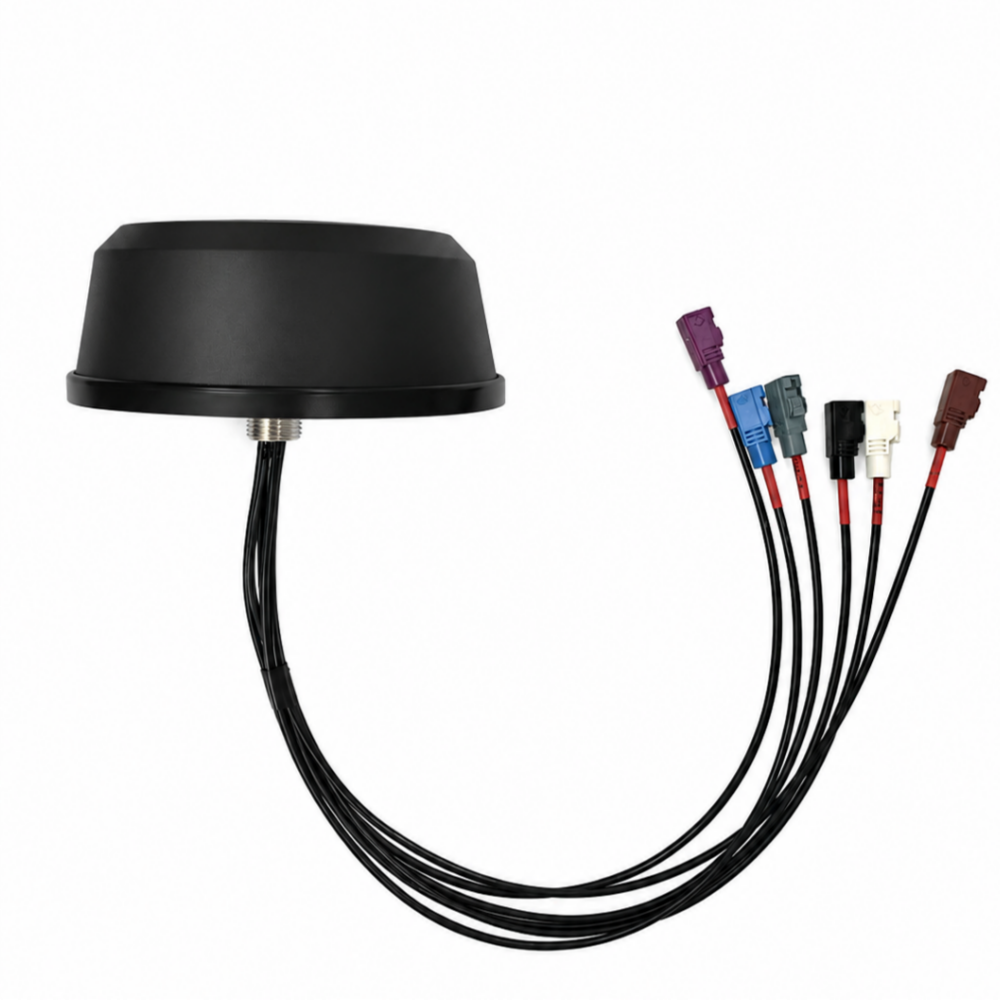
In the rapidly evolving world of precision positioning and industrial automation, the industrial GNSS box assembly has emerged as a critical hardware solution for applications that demand reliable, highaccuracy satellite navigation in demanding environments.
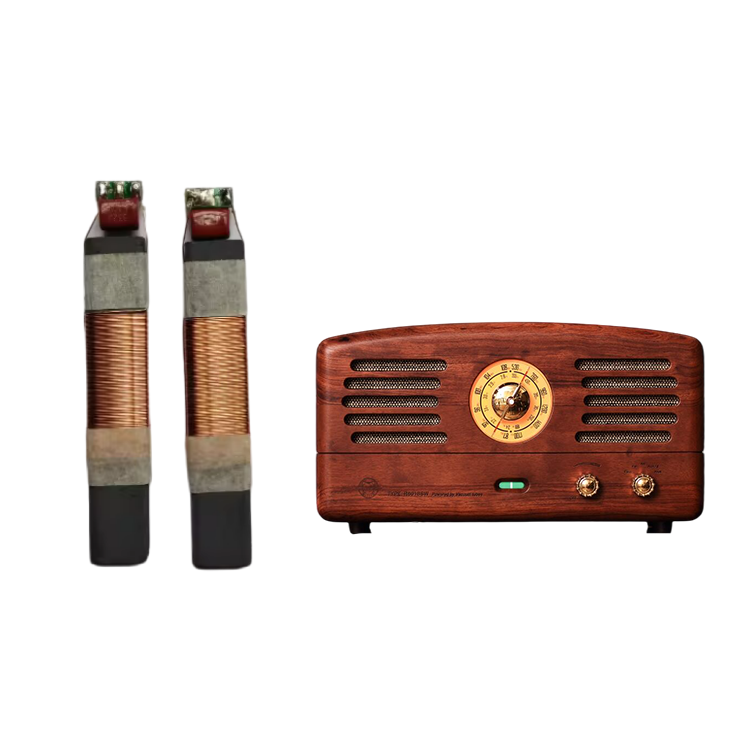
Why Custom GNSS Receiver Enclosures Matter More Than EverThe global GNSS ruggedized boxes market was

Building a custom GNSS receiver box is a critical skill for engineers, surveyors, drone operators, a

The global navigation satellite system (GNSS) industry is undergoing a fundamental shift. For decades, singleband L1 antennas dominated the market—they were simple, affordable, and adequate for meterlevel positioning. But as demand for centimeterlevel accuracy surged across autonomous vehicles, precision agriculture, surveying, and IoT asset tracking, engineers turned to a more sophisticated architecture: the high gain L1/L5 stacked antenna.
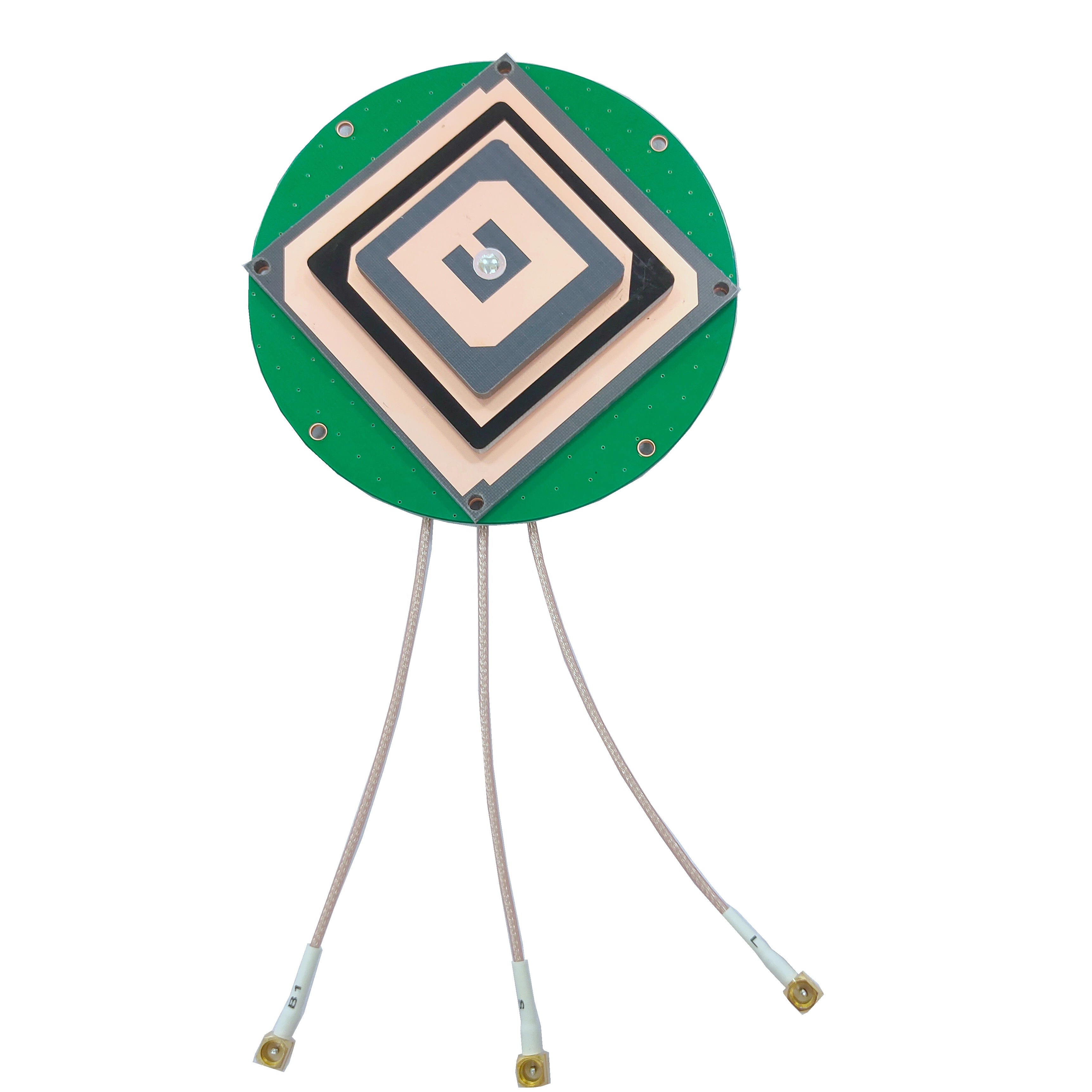
Compact stacked patch GNSS antennas have become the gold standard for modern highprecision satellite positioning systems, delivering miniaturized form factors, multiband compatibility, and stable signal performance for spaceconstrained industrial, consumer, and automotive GNSS devices
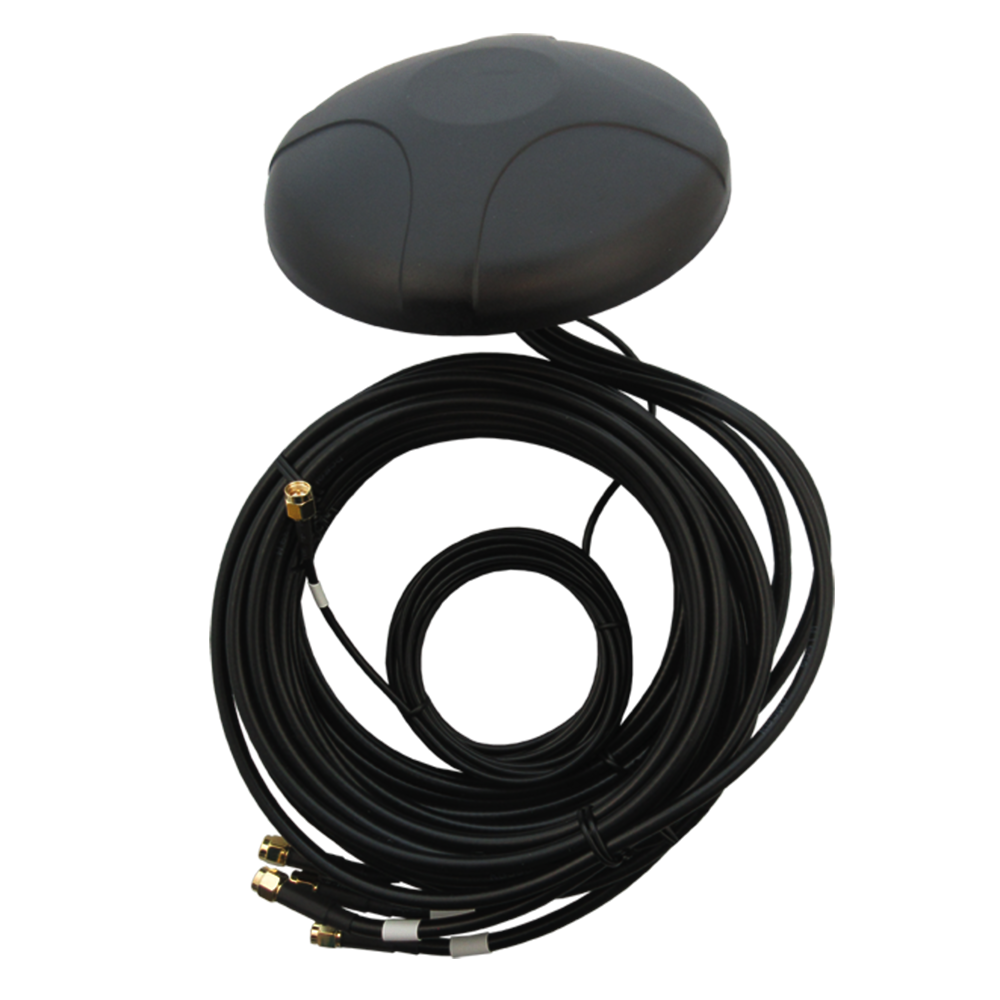
In the rapidly evolving landscape of wireless communication, the demand for antennas capable of operating across multiple frequency bands within a compact form factor has never been greater. The dual band stacked patch antenna has emerged as a leading solution to this challenge, offering a unique combination of multifrequency operation, high gain, and low profile that traditional singleband patch antennas cannot match.
Lucy Yang | lucy.y@toxutech.com
Dotty Zhao | sales04@toxutech.com
Global Business Director / Sales Team / Global Operations


 En
 Cn
 Korean
 Home >
