

-
Products -PCBA Manufacturing RF Connectors RF Cable Assemblys Embedded Antennas External Antennas GNSS Positioning Solutions
RF Connectors

RF Cable Assemblys
Embedded Antennas
External Antennas
GNSS Positioning Solutions



 Language


Language


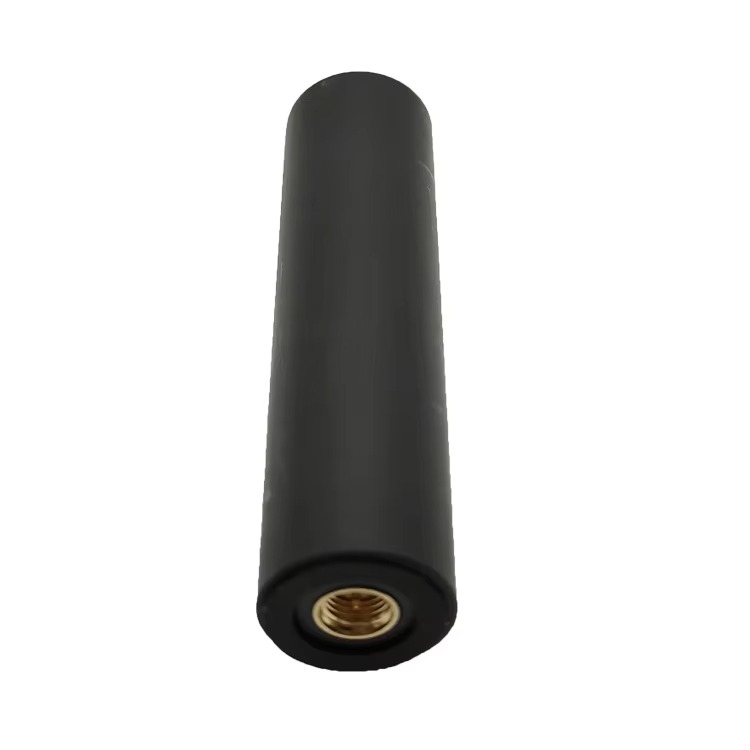
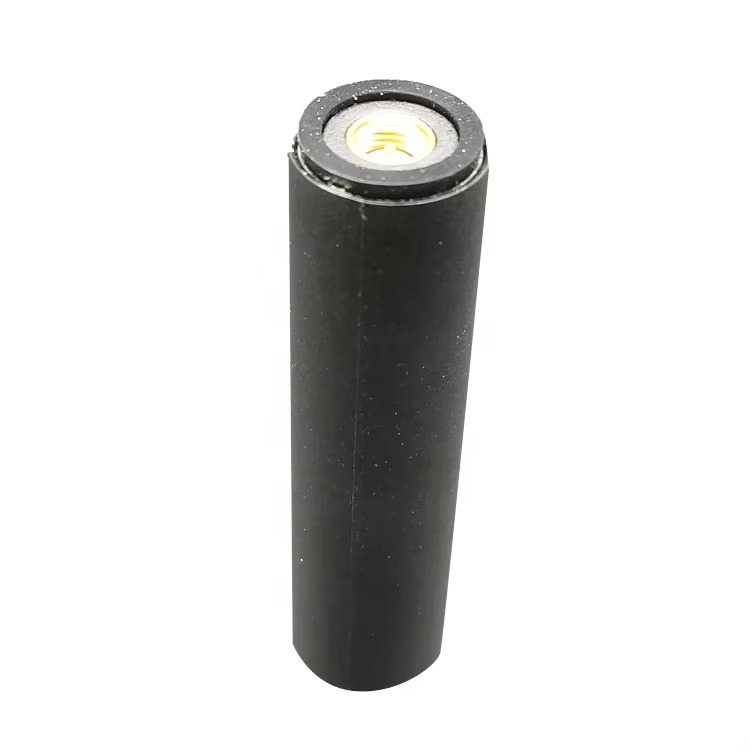
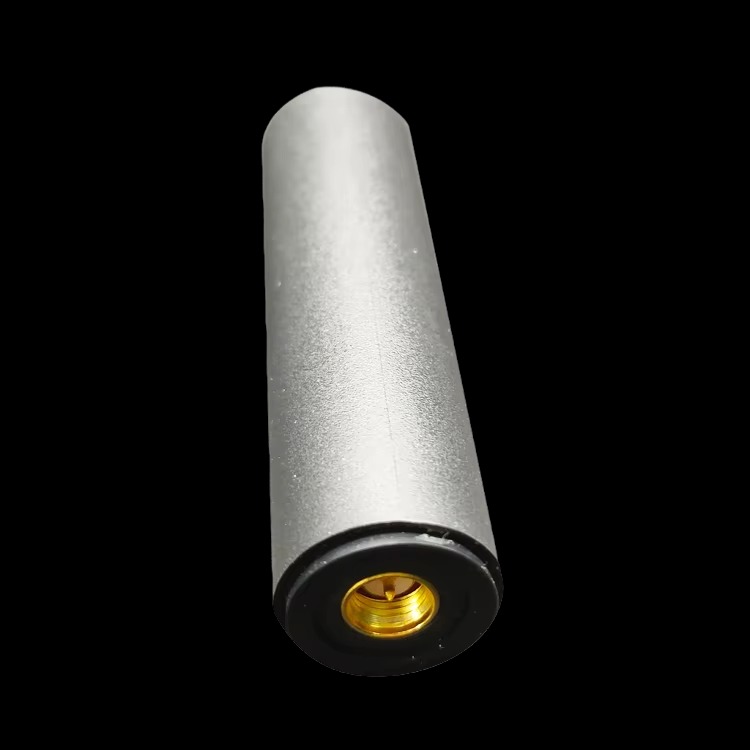
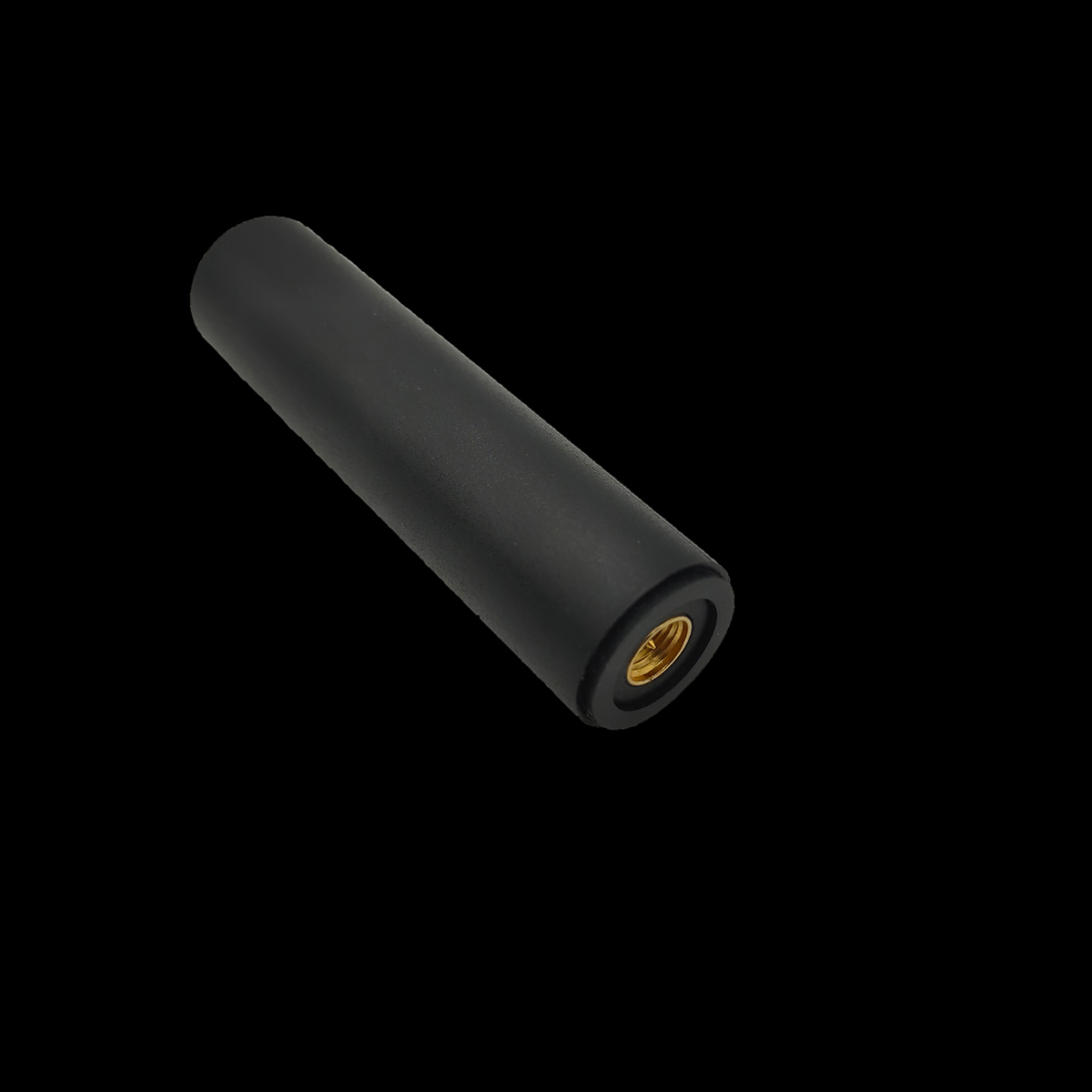
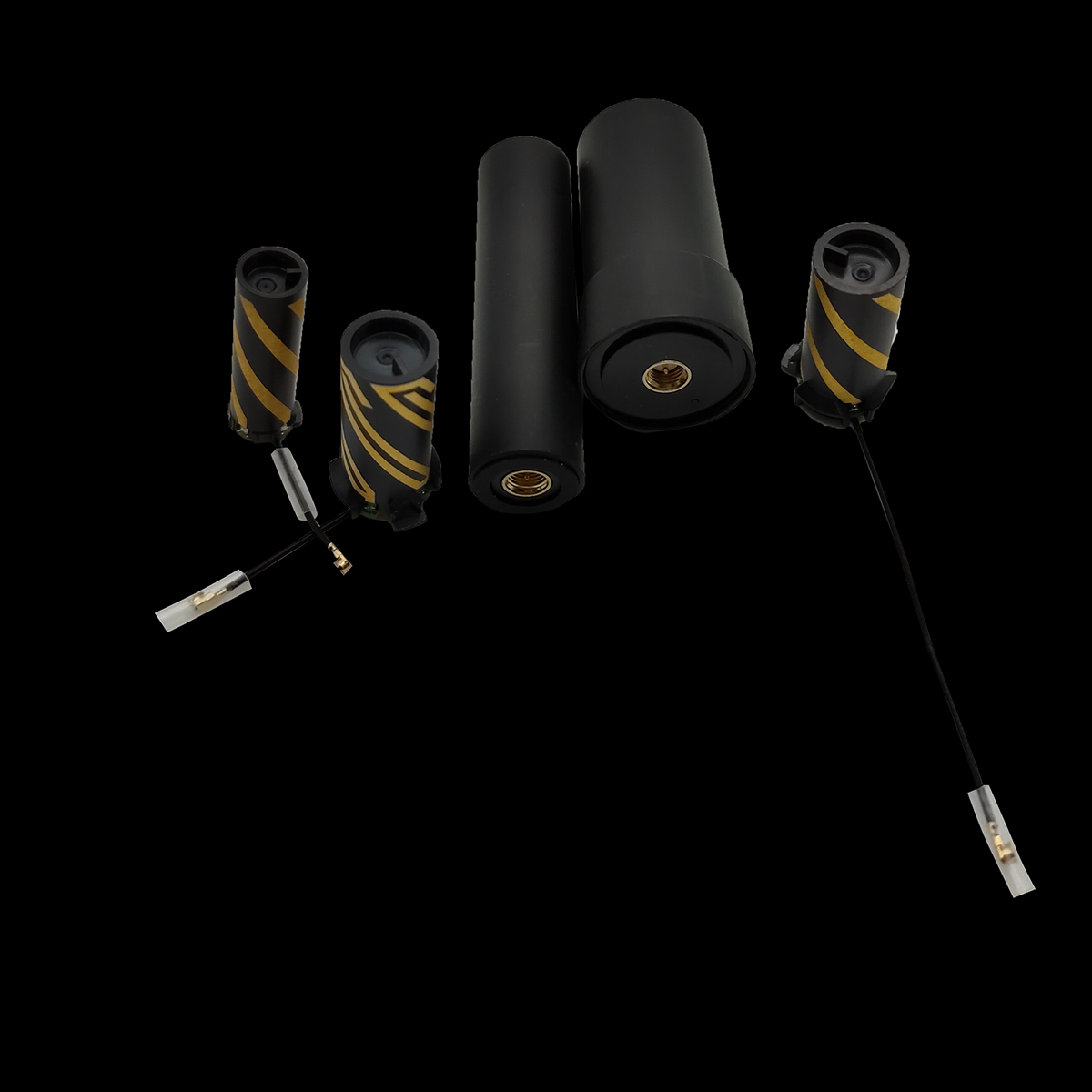
Model: TX-G50
The TOXU TX-G50 is a compact dual-band active quad-helix GNSS antenna designed for GPS L1/L5, BDS B1/B2a, and Galileo E1/E5a satellite-signal reception. Its RHCP quad-helix structure, integrated 28dB low-noise amplifier, SMA male connector, and IP67-rated housing support integration into UAVs, RTK terminals, handheld positioning equipment, and other compact navigation devices.
● Dual-Band GNSS Reception:Supports the specified GPS L1/L5, BDS B1/B2a, and Galileo E1/E5a satellite signals.
● Quad-Helix Antenna Structure:The four-arm helical structure provides RHCP reception and broad angular coverage for compatible GNSS equipment.
● Integrated 28dB LNA:The built-in low-noise amplifier provides 28dB typical gain with a maximum noise figure of 1.5dB.
● Compact and Lightweight:The antenna measures Ø18.5 × 50mm and weighs approximately 12g for space-constrained equipment integration.
● Direct SMA Connection:The integrated SMA male connector carries both the RF signal and DC bias power without requiring an external cable.
● IP67-Rated Housing:The specified IP67 protection supports installation in compatible outdoor and industrial equipment.
The TOXU TX-G50 is a compact dual-band active GNSS antenna designed for equipment requiring multi-constellation satellite-signal reception in a direct-connect mechanical format.
The antenna supports the specified GPS L1 and L5 signals, BDS B1 and B2a signals, and Galileo E1 and E5a signals. This signal coverage allows integration with compatible dual-band GNSS receiver modules and positioning boards.
The TX-G50 adopts a right-hand circularly polarized quad-helix antenna structure. Compared with a conventional flat ceramic antenna, the helical configuration is intended to provide broad angular coverage and reception of compatible satellite signals across different equipment orientations.
An integrated low-noise amplifier provides 28dB typical gain and a maximum noise figure of 1.5dB. The active circuit operates from 3.3–5V DC and draws approximately 9mA under specified conditions.
The antenna measures Ø18.5 × 50mm, weighs approximately 12g, and incorporates an SMA male connector for direct connection to compatible GNSS equipment. RF transmission and DC bias power share the same SMA interface.
The TX-G50 is an antenna only. Position calculation, RTK correction processing, navigation-data output, and system control must be performed by the connected GNSS receiver or positioning device.
GPS L1 and L5 Support
Receives the specified GPS L1 and L5 satellite signals when connected to a compatible dual-band GNSS receiver.
BDS B1 and B2a Support
Supports the specified BeiDou B1 and B2a satellite-navigation signals for compatible receiver platforms.
Galileo E1 and E5a Support
Supports the specified Galileo E1 and E5a signals for compatible multi-constellation GNSS applications.
Quad-Helix Antenna Design
The four-arm helical structure provides right-hand circular polarization and broad angular satellite-signal reception.
RHCP Polarization
Right-hand circular polarization is matched to compatible GNSS satellite signals.
28dB Typical LNA Gain
The integrated low-noise amplifier strengthens received satellite signals before they enter the connected GNSS receiver.
Low Noise Figure
A maximum specified noise figure of 1.5dB supports low-noise signal amplification across the supported frequency bands.
Compact Direct-Connect Design
The Ø18.5 × 50mm housing and integrated SMA male connector support installation on compatible equipment without an external antenna cable.
IP67 Protection
The specified IP67-rated housing supports use in compatible outdoor and industrial positioning equipment.
| TOXU Model | TX-G50 |
| Product Type | Dual-Band Active Quad-Helix GNSS Antenna |
| Supported Systems | GPS / BDS / Galileo |
| GPS Signals | L1 / L5 |
| BDS Signals | B1 / B2a |
| Galileo Signals | E1 / E5a |
| Polarization | RHCP |
| GPS L1 Gain | 1dBi |
| GPS L5 Gain | 0dBi |
| BDS B1 Gain | 1dBi |
| BDS B2a Gain | 0dBi |
| Galileo E1 Gain | 1dBi |
| Galileo E5a Gain | 0dBi |
| Horizontal Coverage | 360° |
| Axial Ratio | ≤3dB |
| VSWR | ≤2.0 |
| Nominal Impedance | 50 Ohm |
| LNA Gain | 28dB Typical |
| Noise Figure | 1.5dB Maximum |
| Operating Voltage | 3.3–5V DC |
| Operating Current | 9mA Typical |
| Power Supply Method | DC Bias Through SMA RF Interface |
| Dimensions | Ø18.5 × 50mm |
| Weight | Approximately 12g |
| Connector | SMA Male |
| Installation | Direct Connection |
| Ingress Protection | IP67 |
| Operating Temperature | -40°C to +85°C |
| Storage Temperature | -40°C to +85°C |
| Moisture Sensitivity Level | MSL 3 |
The following drawing shows the principal mechanical dimensions and direct-connect structure of the TX-G50 antenna. All dimensions are expressed in millimeters.
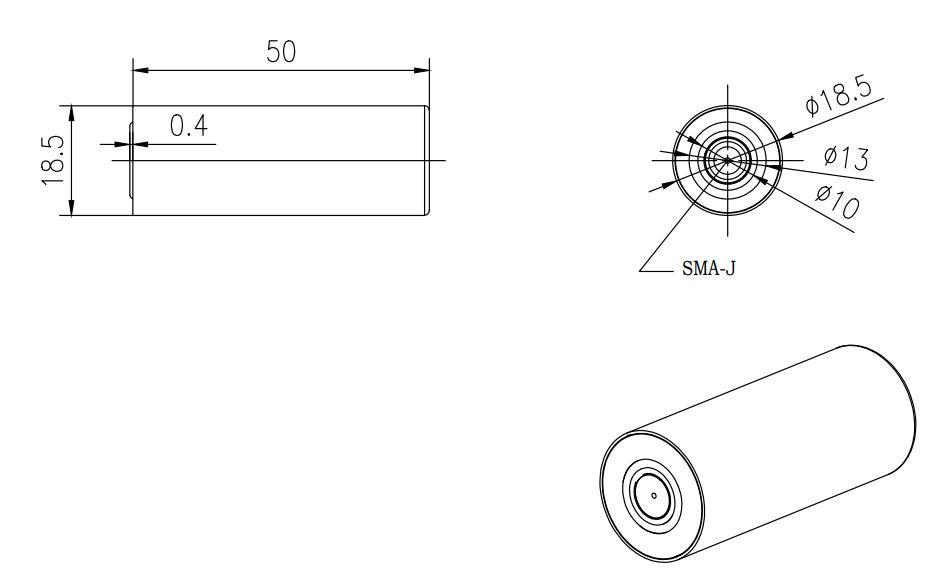
The antenna has an overall length of 50mm and a maximum housing diameter of 18.5mm. The drawing also specifies Ø13mm and Ø10mm stepped dimensions around the connector end.
The integrated SMA male connector supports direct attachment to a compatible SMA female RF port. Confirm the available clearance around the antenna and connector before completing the equipment enclosure design.
Confirm the latest controlled mechanical drawing and connector configuration before mechanical design or volume production.
• UAV Navigation Systems
• RTK Positioning Terminals
• Handheld GNSS Equipment
• Portable Positioning Devices
• Wearable Navigation Equipment
• Surveying Instruments
• Intelligent Equipment
• IoT Positioning Terminals
• Robotics and Autonomous Platforms
• OEM GNSS Receiver Integration
The TX-G50 should be connected to a compatible dual-band GNSS receiver supporting GPS L1/L5, BDS B1/B2a, and/or Galileo E1/E5a signals.
The connected receiver must provide a compatible SMA female RF interface or an appropriate RF adapter. It must also supply 3.3–5V DC antenna-bias voltage through the RF port.
Before integration, confirm the receiver model, supported satellite frequencies, antenna-bias voltage, available bias current, RF-port impedance, connector type, and physical installation space.
The antenna should be positioned where it has the clearest practical view of the sky. Avoid placing it close to large metal surfaces, high-power transmitting antennas, motors, switching power supplies, and other possible sources of signal blockage or electromagnetic interference.
Because the TX-G50 uses a direct SMA connection, the equipment RF port must provide sufficient mechanical support. Avoid excessive impact, bending force, vibration, or torque at the connector.
Final GNSS performance depends on the connected receiver, supported satellite signals, antenna-bias quality, installation orientation, surrounding structures, operating environment, and satellite visibility.
Sample testing with the actual GNSS receiver and complete equipment is recommended before volume production.
TOXU supplies GNSS antennas, communication antennas, RF cable assemblies, connectors, GNSS modules, receiver boards, and integrated RF hardware for equipment manufacturers and system integrators.
Our engineering team supports satellite-frequency selection, receiver compatibility evaluation, antenna-bias confirmation, RF-connector matching, installation analysis, RF testing, and customized antenna development.
TOXU can also provide matching GNSS receiver modules, positioning boards, RF adapters, cable assemblies, and system-integration support according to the customer's equipment architecture.
With IATF16949 and ISO9001-certified manufacturing capabilities, TOXU supports sample verification, customized RF interconnections, product inspection, OEM requirements, and stable volume-production delivery.
Q: Which GNSS signals does the TX-G50 support?
A: The supplied specification confirms GPS L1/L5, BDS B1/B2a, and Galileo E1/E5a signals.
Q: Does the TX-G50 support GLONASS?
A: GLONASS is not listed in the supplied technical specification and is therefore not included in the standard supported-signal description.
Q: Is this an active GNSS antenna?
A: Yes. It incorporates a low-noise amplifier with 28dB typical gain and a maximum noise figure of 1.5dB.
Q: What power supply does the antenna require?
A: The active circuit requires 3.3–5V DC and draws approximately 9mA under specified conditions. Power is supplied through the SMA RF interface.
Q: What connector does the TX-G50 use?
A: It uses an integrated SMA male connector for direct connection to a compatible SMA female RF port.
Q: What are the antenna dimensions?
A: The specified dimensions are Ø18.5 × 50mm, and the weight is approximately 12g.
Q: Is the antenna suitable for outdoor equipment?
A: The supplied specification lists IP67 protection. Final suitability must also be evaluated according to the complete equipment structure, connector sealing, and operating environment.
Q: Can the TX-G50 provide RTK positioning independently?
A: No. It receives and amplifies compatible GNSS signals. RTK calculation and navigation-data output must be performed by the connected GNSS receiver.
Q: Can TOXU help verify receiver compatibility?
A: Yes. Please provide the receiver model, supported frequencies, antenna-bias voltage, RF connector, installation structure, application, and expected order quantity.
Lucy Yang | lucy.y@toxutech.com
Nicole Li | nicole@toxutech.com
Dotty Zhao | sales04@toxutech.com
Global Business Director / Sales Team / Global Operations


 En
En Cn
Cn Korean
 Home >

