

-
Products -PCBA Manufacturing RF Connectors RF Cable Assemblys Embedded Antennas External Antennas GNSS Positioning Solutions
RF Connectors

RF Cable Assemblys
Embedded Antennas
External Antennas
GNSS Positioning Solutions


 Language


Language

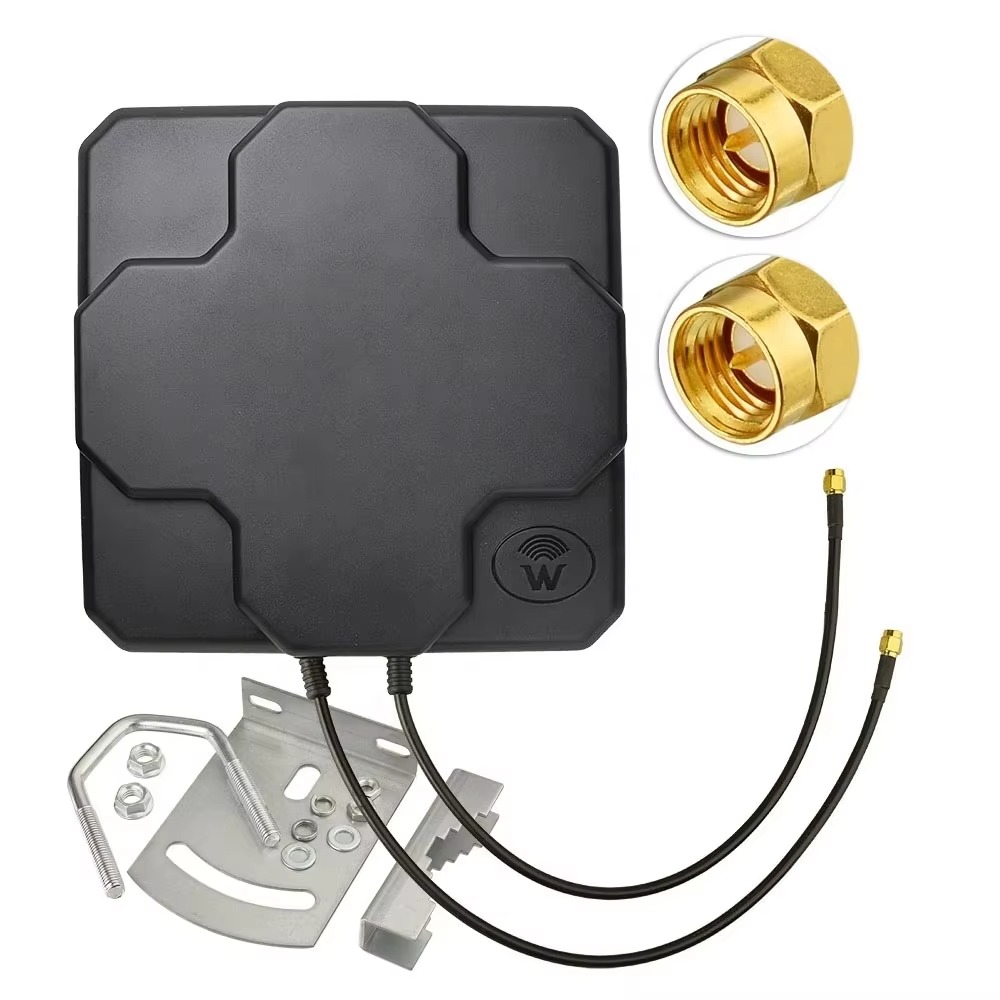
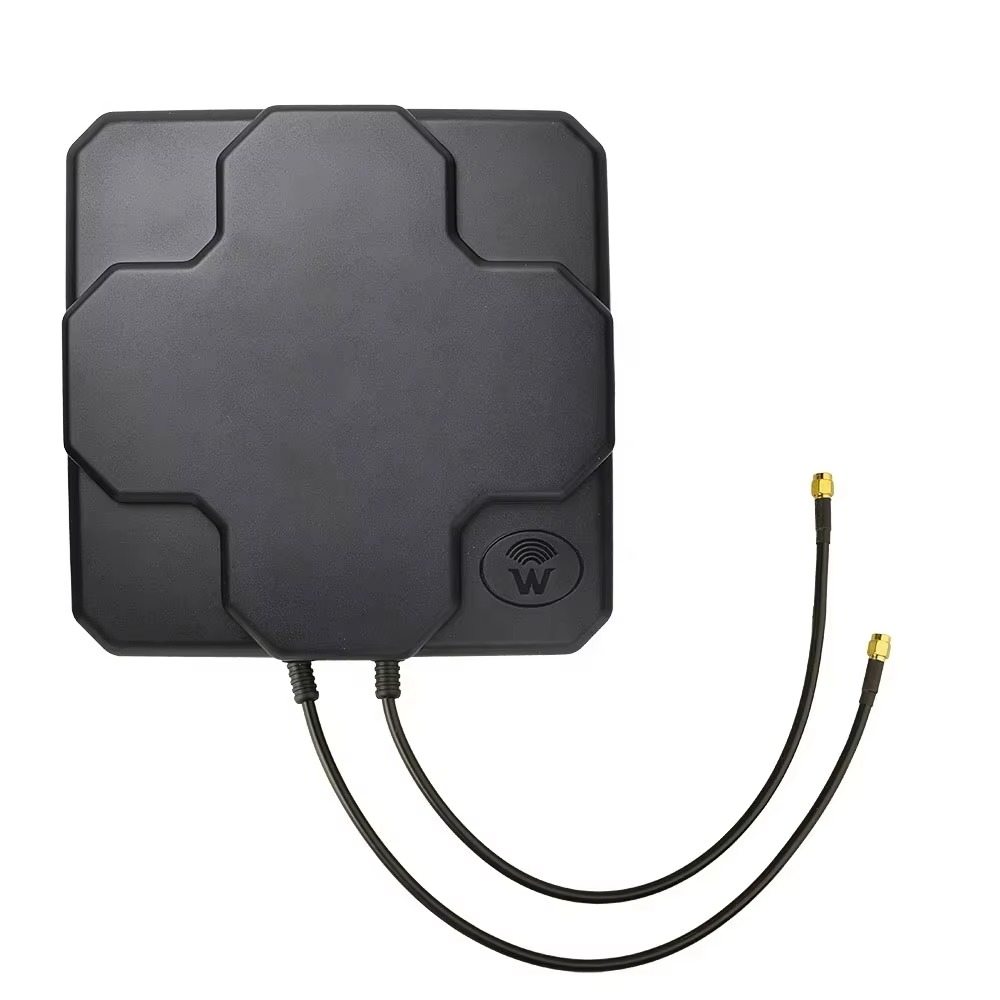
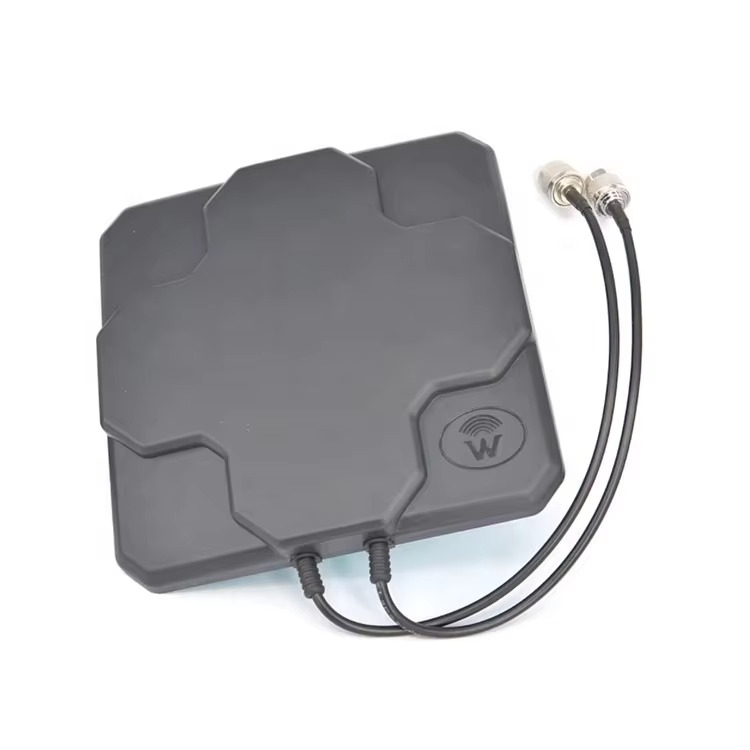
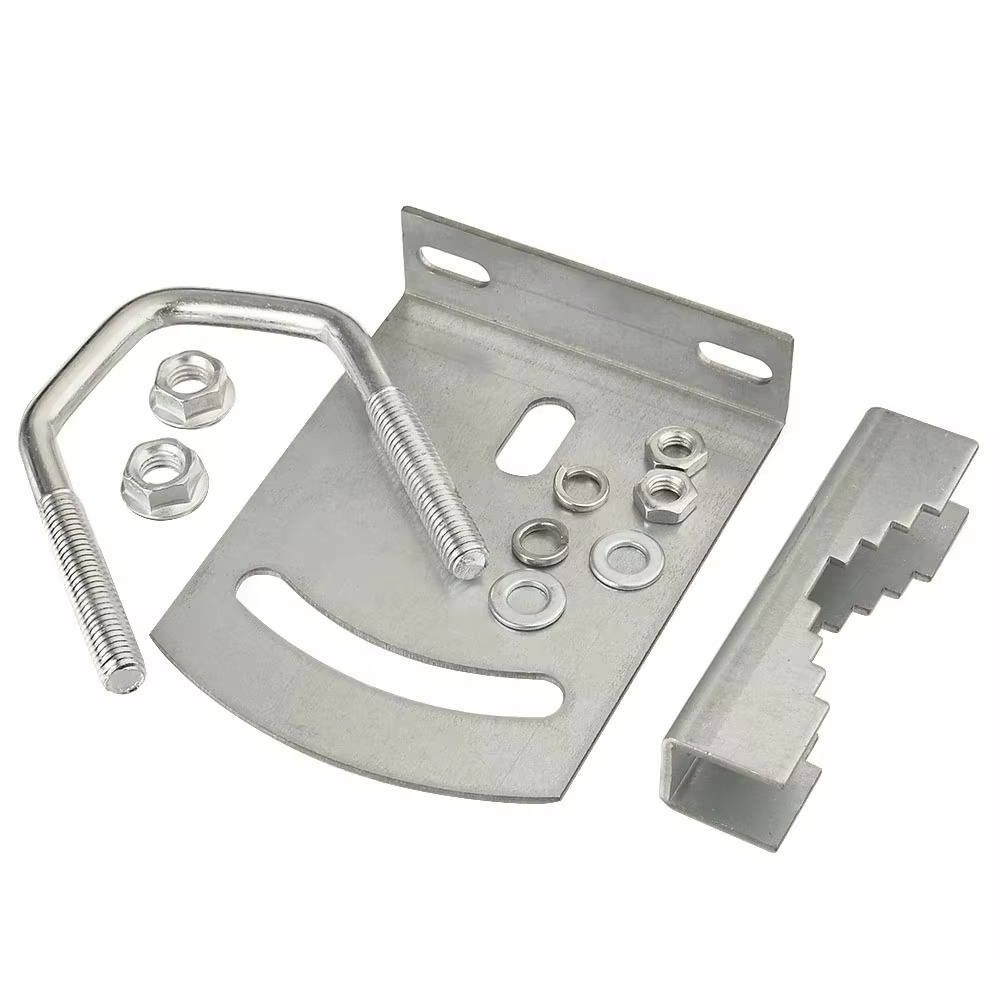
Model: TX-A90
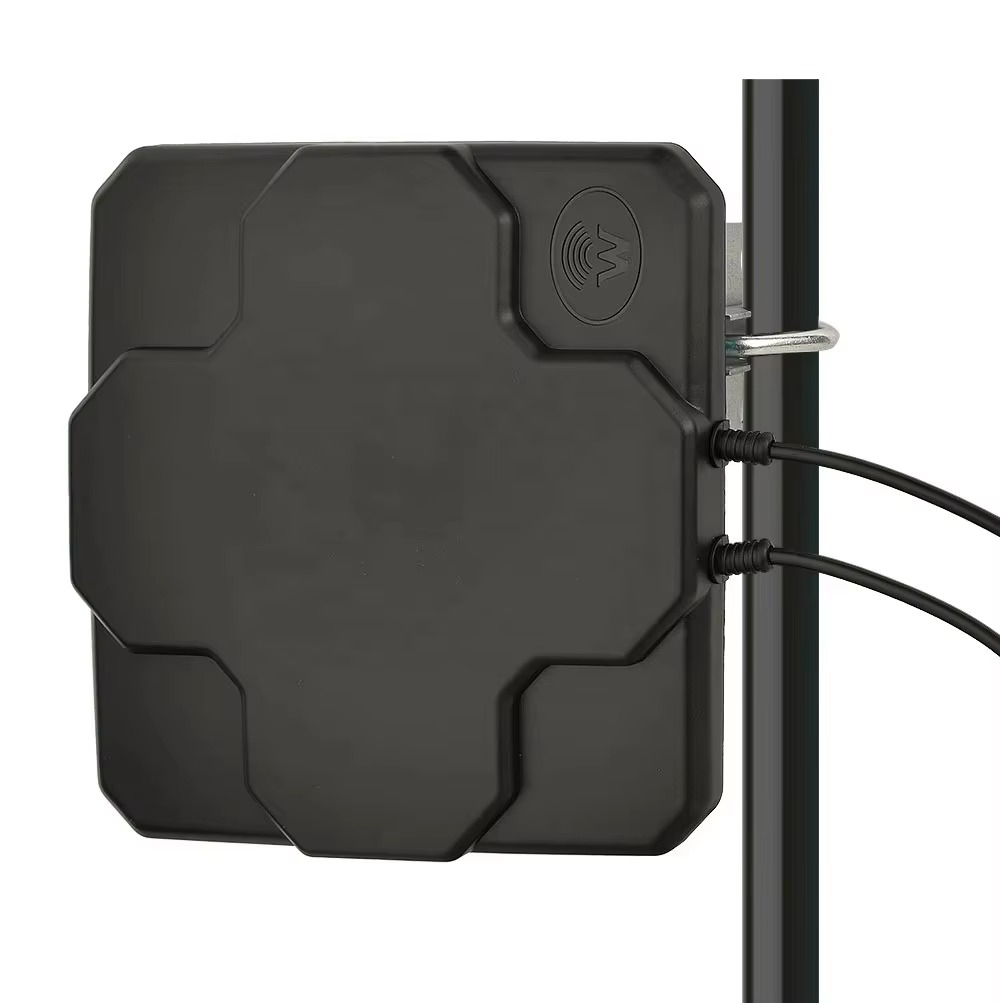
The TOXU TX-A90 is an outdoor directional panel antenna designed for compatible 4G LTE routers, cellular gateways, modems, CPE, and wireless communication terminals operating within 698–2700MHz. Its dual-cable configuration supports 2×2 MIMO connection, while the directional panel structure is intended for fixed installations where the antenna can be aimed toward the required cellular signal source.
● 698–2700MHz Cellular Coverage: Covers common low-band and mid-band cellular frequencies for compatible 4G LTE communication equipment.
● 2×2 MIMO Configuration: Two independent RF cables support connection to compatible cellular equipment with two external antenna ports.
● 18dBi Nominal Gain: Provides directional antenna gain under the approved configuration and suitable installation conditions.
● Directional Panel Structure: Designed for fixed-point coverage where the antenna can be aligned toward a cellular base station or target service area.
● Outdoor Pole Mounting: The panel housing and metal mounting bracket support installation on a suitable outdoor pole or mast.
● OEM and ODM Support: TOXU can evaluate frequency matching, gain, cable type, cable length, connector, mounting bracket, color, branding, and packaging according to project requirements.
The TOXU TX-A90 is a dual-cable outdoor directional panel antenna developed for compatible 4G LTE routers, cellular gateways, wireless modems, CPE, signal-distribution equipment, remote-monitoring terminals, and industrial communication systems operating within 698–2700MHz.
Unlike an omnidirectional antenna that distributes energy around the installation point, the TX-A90 uses a directional panel structure. It should be aimed toward the intended cellular base station, gateway location, or target coverage area to obtain suitable system performance.
The antenna is equipped with two RF cable outputs for compatible 2×2 MIMO cellular equipment. When connected to two antenna ports on a compatible router or modem, the dual-polarized configuration can support the equipment’s MIMO communication architecture.
The listed configuration provides 18dBi nominal gain, 50Ω impedance, VSWR of no more than 1.8, vertical and horizontal polarization, and maximum input power of 50W. The antenna housing measures approximately 210 × 210 × 25mm and weighs approximately 0.6kg.
The available legacy product information contains a gain conflict: the product title lists 18dBi while the old parameter table lists 22dBi. This page therefore uses the more conservative 18dBi value. Final gain, frequency response, cable configuration, connector type, and radiation performance must be confirmed through an approved specification and sample testing before volume production.
698–2700MHz Wideband Cellular Coverage
The TX-A90 covers common cellular frequencies between 698MHz and 2700MHz for compatible 4G LTE routers, modems, gateways, CPE, and industrial communication equipment.
2×2 MIMO Dual-Cable Configuration
Two RF cable outputs support connection to compatible cellular equipment with two external antenna ports. Both antenna ports should be connected according to the equipment manufacturer’s MIMO configuration requirements.
Directional Panel Radiation
The directional structure concentrates coverage toward the front of the antenna. Correct antenna direction and alignment are important for achieving suitable signal reception and transmission performance.
18dBi Nominal Gain
The listed configuration uses a conservative nominal gain value of 18dBi. Actual installed performance depends on frequency, antenna direction, cable loss, connector loss, mounting height, base-station location, surrounding structures, and the complete RF system.
Dual Polarization
The antenna supports vertical and horizontal polarization through its dual-port structure for compatible MIMO cellular communication systems.
Low-VSWR RF Configuration
The listed VSWR is no more than 1.8 under the approved test configuration, helping provide suitable impedance matching within the specified operating bands.
Outdoor Fixed Installation
The panel housing and metal mounting hardware support installation on a suitable pole, mast, or fixed structure. The exact bracket configuration and included accessories must be confirmed before ordering.
Compact Panel Housing
The antenna housing measures approximately 210 × 210 × 25mm, providing a compact directional antenna structure for fixed cellular communication installations.
Custom Cable and Connector Options
Cable type, cable length, and RF connector configuration can be evaluated according to the customer’s router, modem, gateway, enclosure, and installation distance.
OEM and ODM Support
TOXU supports antenna matching, RF cable processing, connector integration, mounting-bracket evaluation, sample verification, customized labeling, branding, packaging, and volume production.
| Model | TX-A90 |
| Product Type | Outdoor 2×2 MIMO Directional Panel Antenna |
| Frequency Range | 698–2700MHz |
| Nominal Gain | 18dBi, Subject to Final Specification Confirmation |
| VSWR | ≤1.8 |
| Input Impedance | 50Ω |
| Polarization | Vertical and Horizontal |
| MIMO Configuration | 2×2 MIMO |
| RF Cable Outputs | 2 |
| Maximum Input Power | 50W |
| Radiating Material | Copper or Stainless Steel, Subject to Configuration |
| Cable Type | Subject to Selected Configuration |
| Cable Length | Customized According to Project Requirements |
| Connector | Subject to Selected Configuration |
| Mounting Method | Pole or Mast Mount |
| Housing Color | Black or White |
| Dimensions | Approximately 210 × 210 × 25mm |
| Weight | Approximately 0.6kg |
| Operating Temperature | -40°C to +70°C |
| Customization | Frequency, Gain, Cable, Connector, Housing Color, Mounting Hardware, Branding and Packaging |
The listed values are based on the currently available TX-A90 product information. The legacy title and parameter table contain different gain values. Final frequency coverage, gain, VSWR, cable, connector, polarization, mounting accessories, and environmental performance must be confirmed in the approved product specification before production.
4G LTE Routers
Industrial Cellular Gateways
Wireless Modems
Cellular CPE
Fixed Wireless Access Equipment
Remote-Monitoring Systems
Industrial IoT Gateways
Cellular Security and Surveillance Equipment
Outdoor Communication Terminals
Rural Cellular Connectivity Systems
Building and Site Communication Equipment
Telemetry and Data-Transmission Systems
Cellular Backup Communication Systems
Compatible Signal Repeater Systems
Application suitability depends on the exact cellular bands, router or modem configuration, antenna-port quantity, RF connector, cable loss, network coverage, base-station direction, mounting height, surrounding obstacles, and local regulatory requirements.
Before ordering, customers should confirm the exact cellular bands supported by their router, modem, gateway, or CPE. The general descriptions “4G” or “LTE” are not sufficient for final antenna selection because equipment designed for different countries and operators may use different cellular bands.
The TX-A90 uses two RF cable outputs for compatible 2×2 MIMO equipment. Both cables should normally be connected to the corresponding external antenna ports on the router or modem. Customers should confirm that their equipment supports two external cellular antenna connections.
The exact RF connector cannot be selected from product appearance alone. Standard SMA, RP-SMA, N type, and other connectors have different mechanical and center-contact structures. The equipment-side connector and required antenna-side connector must be confirmed before production.
As a directional panel antenna, the TX-A90 must be aimed toward the intended cellular base station or service area. Installation direction should be adjusted while checking actual signal indicators such as RSRP, RSRQ, SINR, RSSI, data rate, and connection stability when supported by the connected equipment.
The antenna should be installed as high and clear of surrounding obstructions as practical. Walls, roofs, trees, buildings, metal structures, and terrain can weaken or reflect cellular signals and affect the most suitable antenna direction.
The dual-polarized panel should be installed according to the approved mounting orientation. Incorrect rotation or alignment may reduce the benefit of the vertical and horizontal polarization configuration.
Cable attenuation increases with cable length and operating frequency. Long cable runs can offset part of the antenna gain, so a suitable low-loss 50Ω coaxial cable should be selected according to the installation distance and highest operating frequency.
If installed outdoors, the mounting bracket should be securely fixed, and the installer should evaluate wind loading, connector sealing, cable-entry protection, drainage, grounding, lightning protection, and strain relief. The currently available information does not provide a verified IP rating or wind-load rating.
The antenna itself is not a cellular signal amplifier and does not generate additional RF power. Actual communication improvement depends on base-station coverage, antenna direction, modem performance, cable loss, installation height, obstacles, interference, and the complete communication system.
Frequency and Band Evaluation
TOXU can evaluate antenna matching according to the required cellular bands, target country, network operator, wireless module, router, modem, or communication terminal.
Gain and Radiation Verification
The required gain and radiation characteristics can be evaluated according to the operating frequency, target coverage direction, installation distance, mounting height, cable loss, and complete cellular system.
MIMO Configuration
The dual-cable configuration can be evaluated according to the connected equipment’s 2×2 MIMO antenna ports, polarization requirements, connector interfaces, and installation arrangement.
Cable Configuration
TOXU can evaluate cable type and cable length according to the installation distance, operating frequency, acceptable insertion loss, flexibility, environmental conditions, and routing requirements.
Connector Selection
SMA, RP-SMA, N type, and other suitable RF connectors can be evaluated according to the equipment interface. Connector gender and center-contact structure must be confirmed before production.
Housing and Mounting Hardware
Black or white housing, pole-mounting brackets, mast clamps, cable-exit arrangements, product labels, branding, and packaging can be evaluated according to project requirements.
Prototype and RF Verification
TOXU supports sample development, network-analyzer testing, RF verification, equipment-side testing, configuration approval, and engineering confirmation before volume production.
Volume-Production Support
After sample approval, TOXU supports antenna assembly, RF cable processing, connector integration, RF inspection, mounting-hardware preparation, quality control, customized packaging, and stable volume delivery.
TOXU provides antenna design, RF tuning, cable processing, connector integration, prototype verification, testing, and volume-production support for cellular, GNSS, WiFi, IoT, industrial, automotive-related, and wireless communication equipment manufacturers.
Our engineering team can evaluate antenna performance according to the customer’s operating bands, wireless module, equipment structure, installation position, coverage direction, mounting height, RF cable, connector, and actual operating environment.
In addition to directional panel antennas, TOXU provides cellular antennas, GNSS antennas, embedded antennas, combination antennas, fiberglass antennas, RF cable assemblies, RF connectors, PCBA manufacturing, GNSS modules, receiver boards, and integrated communication and positioning hardware solutions.
With IATF16949 and ISO9001-certified manufacturing capabilities, TOXU supports engineering verification, customized production, quality control, and stable delivery for overseas B2B projects.
Q: Is the gain of the TX-A90 18dBi or 22dBi?
A: The old product title lists 18dBi, while the legacy parameter table lists 22dBi. This page uses the more conservative 18dBi nominal value. The final gain must be confirmed through the approved specification and RF test data before ordering.
Q: Which frequencies does the TX-A90 cover?
A: The listed configuration covers 698–2700MHz. Customers should still provide the exact cellular bands used by their equipment and local network operator.
Q: Does the antenna support 2×2 MIMO?
A: Yes. The listed TX-A90 structure has two RF cable outputs for connection to compatible cellular equipment with two external antenna ports.
Q: Is the TX-A90 an omnidirectional antenna?
A: No. It is a directional panel antenna and should be aimed toward the intended cellular base station or target service area.
Q: Which connector does the antenna use?
A: The connector must be confirmed according to the selected configuration and equipment interface. Connector type, gender, thread, and center contact should all be checked before ordering.
Q: Are the mounting bracket and two cables included?
A: The antenna uses a dual-cable structure and is shown with pole-mounting hardware. The final cable specifications, connectors, bracket, clamps, and included accessories must be confirmed in the approved order configuration.
Q: Is the TX-A90 waterproof?
A: The structure is intended for outdoor fixed installation, but the currently available product information does not specify a verified IP rating. Environmental sealing requirements should be confirmed before ordering.
Q: Can this antenna guarantee better cellular signal or a longer range?
A: No fixed improvement or communication distance can be guaranteed from antenna gain alone. Actual performance depends on the supported cellular bands, base-station direction, network coverage, cable loss, mounting height, obstacles, interference, and connected equipment.
Q: Can the TX-A90 be customized?
A: Yes. TOXU can evaluate frequency matching, gain, cable type, cable length, connector, housing color, mounting hardware, branding, packaging, and RF verification according to project requirements.
Lucy Yang | lucy.y@toxutech.com
Nicole Li | nicole@toxutech.com
Dotty Zhao | sales04@toxutech.com
Global Business Director / Sales Team / Global Operations


 En
En Cn
Cn Korean
 Home >

