

-
Products -PCBA Manufacturing RF Connectors RF Cable Assemblys Embedded Antennas External Antennas GNSS Positioning Solutions
RF Connectors

RF Cable Assemblys
Embedded Antennas
External Antennas
GNSS Positioning Solutions




 Language


Language


Time:2026-10-17 Views:0
Waterproof vehicle tracking antennas are the core hardware component of modern vehicle GPS/GNSS tracking systems, designed to deliver stable, high-precision positioning signals for cars, trucks, fleets, construction machinery, marine vehicles, and off-road equipment in all weather conditions. Unlike standard vehicle antennas that are only suitable for indoor or sheltered environments, waterproof vehicle tracking antennas feature rugged waterproof, dustproof, and weather-resistant designs, effectively resisting rain, snow, high-temperature exposure, low-temperature freezing, dust erosion, and high-pressure water washing. For fleet management, vehicle anti-theft, logistics tracking, and intelligent transportation systems, a high-quality waterproof vehicle tracking antenna directly determines the real-time accuracy, stability, and service life of the entire tracking system.
In the global intelligent vehicle and fleet management industry, poor antenna durability and signal failure caused by harsh environmental factors are the top two pain points for users. Ordinary vehicle tracking antennas often suffer from water ingress, circuit short circuit, signal attenuation, and positioning drift after long-term outdoor use, leading to tracking system failure, delayed data transmission, and increased maintenance costs. A professional waterproof vehicle tracking antenna completely solves these problems through industrial-grade waterproof technology, high-gain signal amplification, and anti-interference design, becoming the standard configuration for commercial vehicle tracking, industrial vehicle positioning, and marine vehicle monitoring worldwide.
1. What Is a Waterproof Vehicle Tracking Antenna? Core Definition & Working Principle
A waterproof vehicle tracking antenna is an outdoor-grade active GNSS antenna specially developed for vehicle mobile positioning scenarios. It integrates a high-sensitivity signal receiving module, low-noise amplifier (LNA), waterproof sealing structure, and anti-aging shell. Its core function is to capture weak satellite signals from GPS, GLONASS, Beidou, and Galileo satellite navigation systems, amplify effective signals, filter environmental interference noise, and transmit stable positioning data to vehicle tracking terminals, GPS locators, and fleet management hosts.
Different from passive antennas, most waterproof vehicle tracking antennas adopt anactive amplification design with a built-in 28dB high-gain LNA chip. This design enables the antenna to still capture stable satellite signals in complex environments such as urban building occlusion, forest roads, and tunnel entrances, avoiding common problems such as slow satellite locking and positioning failure of ordinary passive antennas. Meanwhile, the full-body waterproof and dustproof structure ensures that the internal circuit components are completely isolated from external moisture, dust, and corrosive substances, realizing long-term stable outdoor operation.
The working principle of the waterproof vehicle tracking antenna is divided into three core steps: First, the high-precision antenna induction unit receives multi-band satellite positioning signals (main frequency 1575.42MHz for GPS L1 band); second, the built-in low-noise amplifier filters clutter interference and amplifies effective signals to ensure signal transmission strength; third, the shielded high-flexibility cable transmits stable signals to the vehicle tracking terminal to complete real-time positioning, trajectory recording, and speed monitoring. The whole working process is efficient and low-power, adapting to long-term vehicle power supply and mobile operation scenarios.
2. Core Advantages of Waterproof Vehicle Tracking Antennas (VS Ordinary Vehicle Antennas)
Ordinary vehicle GPS tracking antennas are mostly designed with simple plastic shells and non-sealed structures, which can only adapt to mild indoor and sheltered vehicle environments. Once exposed to outdoor harsh weather and industrial working conditions, they are prone to damage and signal failure. Waterproof vehicle tracking antennas have comprehensive performance advantages in durability, signal stability, environmental adaptability, and service life, which are irreplaceable for professional vehicle tracking scenarios.
2.1 Industrial-Grade Waterproof & Dustproof Performance
The biggest core advantage of waterproof vehicle tracking antennas is their professional IP waterproof rating. Most high-quality products adopt IP67 or IP69K industrial waterproof certification, which is the highest standard for outdoor electronic equipment protection. IP67 rating means the antenna is completely dust-tight and can withstand temporary immersion in 1-meter deep water for 30 minutes without water ingress, fully adapting to rainy days, snow days, and road waterlogging scenarios. The higher-level IP69K rating can resist high-pressure and high-temperature water jet washing, which is specially suitable for engineering vehicles, sanitation vehicles, and fleet vehicles that need frequent high-pressure cleaning, avoiding equipment damage caused by flushing water penetration .
The antenna shell is made of high-strength ABS engineering plastic and rubber sealing ring, with integrated compression sealing technology at the cable interface and shell splicing gap. There is no gap for external moisture and dust to enter, which fundamentally solves the problem of circuit corrosion and short circuit caused by water ingress of ordinary antennas. Even in humid coastal areas, rainy tropical climates, and snowy cold regions, the antenna can maintain long-term normal operation without failure.
2.2 Ultra-Stable High-Gain Signal Reception
Waterproof vehicle tracking antennas are equipped with upgraded low-noise amplification chips, with a stable gain of 28dB, which is far higher than the 15-20dB gain of ordinary civilian antennas. The high-gain design greatly improves the antenna's ability to capture weak satellite signals, effectively solving positioning drift, signal loss, and delayed satellite locking in complex vehicle driving environments such as urban high-rise occlusion, viaduct shielding, and mountain road driving .
In addition, the antenna adopts professional right-hand circular polarization (RHCP) design, which matches the polarization mode of satellite navigation signals, reducing signal reflection loss and improving positioning accuracy. It supports multi-system simultaneous reception of GPS, Beidou, GLONASS, and Galileo, realizing multi-satellite complementary positioning, with positioning accuracy up to meter level, and supporting high-precision tracking requirements of fleet management and intelligent driving.
2.3 Extreme Temperature Resistance & Anti-Aging Durability
Vehicles face extreme temperature changes in long-term driving and outdoor parking scenarios: high temperature exposure up to +90°C in summer and low-temperature freezing down to -40°C in winter. Ordinary antennas are prone to shell aging, cable cracking, and chip failure under extreme temperature differences, resulting in shortened service life. Waterproof vehicle tracking antennas are designed with industrial-grade temperature resistance, with a stable working temperature range of -40°C to +90°C, adapting to global extreme climate environments .
The antenna cable adopts weather-resistant rubber coating, which has excellent anti-oxidation, anti-ultraviolet, and anti-cracking performance. It will not harden, crack, or age after long-term exposure to sunlight, rain, and wind, and can maintain stable signal transmission performance for more than 3 years in outdoor working conditions. Compared with ordinary antennas with a service life of only 6-12 months, it greatly reduces equipment replacement and maintenance costs.
2.4 Flexible Installation & Strong Compatibility
Waterproof vehicle tracking antennas support two mainstream installation methods: magnetic suction installation and adhesive installation. The strong magnetic base can be firmly adsorbed on the metal surface of the vehicle roof, chassis, and carriage, which is convenient for quick disassembly and position adjustment without damaging the vehicle body. The adhesive backing design is suitable for non-metal vehicle surfaces, with firm pasting and no falling off during long-term driving and vibration .
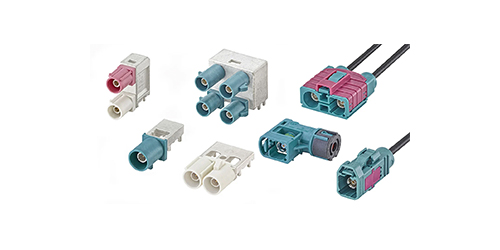
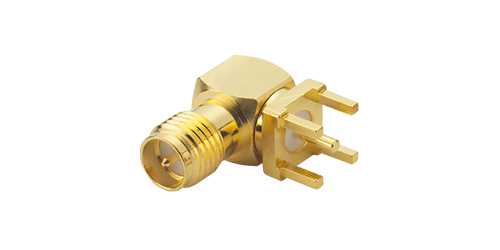
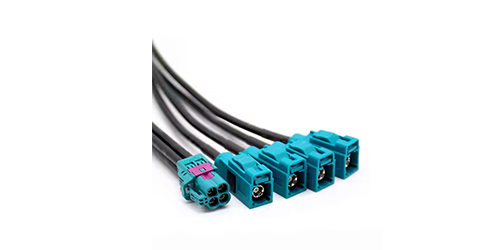
In terms of interface compatibility, most products adopt standard SMA male connectors and Fakra connectors, which are perfectly compatible with mainstream vehicle GPS trackers, navigation hosts, fleet management terminals, and vehicle monitoring equipment on the market. The standard cable length is 3 meters, and customized longer cables are supported to meet the installation needs of large trucks, engineering vehicles, and marine ships, with strong universality .
3. Key Technical Parameters of High-Quality Waterproof Vehicle Tracking Antennas
When selecting a waterproof vehicle tracking antenna, technical parameters directly determine product performance and applicability. Professional industrial-grade vehicle tracking antennas have standardized parameter indicators, covering frequency band, gain, waterproof rating, electrical performance, mechanical performance, and working environment. The core standard parameters of high-quality products are as follows:
Working Frequency Band: GPS L1 1575.42MHz, compatible with Beidou B1, GLONASS, Galileo multi-band, supporting global mainstream satellite navigation systems
Signal Gain: 28dB high stable gain, low noise figure ≤1.5dB, effectively filtering interference signals
Waterproof Rating: IP67 standard (basic industrial grade) / IP69K standard (high-pressure washing resistant industrial grade)
Working Voltage: DC 3V-5V, low power consumption, compatible with most vehicle terminal power supply systems
Working Current: ≤10mA, energy-saving design, no additional power consumption burden on vehicle equipment
Standing Wave Ratio (VSWR): <1.8, low signal loss, high transmission efficiency
Working Temperature Range: -40°C to +90°C, storage temperature -45°C to +95°C
Installation Method: Strong magnetic base / 3M adhesive dual installation
Interface Type: Standard SMA male / Fakra connector, universal interface
Cable Specification: 3m high-flexibility waterproof shielded cable, anti-pull and anti-break
Polarization Mode: Right-Hand Circular Polarization (RHCP), matching satellite signal polarization
These standardized parameters ensure that the waterproof vehicle tracking antenna can maintain stable and efficient working performance in various complex vehicle scenarios, and is the core basis for distinguishing industrial-grade professional products from civilian low-grade antennas.

4. Main Application Scenarios of Waterproof Vehicle Tracking Antennas
Waterproof vehicle tracking antennas have ultra-wide application coverage, covering civilian vehicles, commercial fleets, industrial engineering equipment, marine vehicles, and special intelligent transportation equipment. Relying on their all-weather environmental adaptability and stable signal performance, they have become essential supporting hardware for vehicle positioning and tracking systems in various industries.
4.1 Commercial Fleet Management
Logistics fleets, express delivery vehicles, passenger buses, taxi fleets, and truck fleets need real-time positioning, trajectory monitoring, and driving status management. These vehicles travel outdoors for a long time, facing variable weather and complex road conditions. Waterproof vehicle tracking antennas can resist rain, snow, wind and dust, ensuring that the fleet tracking system maintains real-time and accurate positioning data during long-distance transportation. It helps fleet managers monitor vehicle operation status in real time, optimize transportation routes, reduce operating costs, and improve fleet management efficiency.
4.2 Engineering & Construction Vehicle Positioning
Engineering vehicles such as excavators, loaders, cranes, and road rollers work in open-air construction sites with harsh environments, serious dust erosion, and frequent high-pressure equipment cleaning. Ordinary antennas are easily damaged and fail, while IP69K high-grade waterproof vehicle tracking antennas can adapt to high-dust, high-humidity, and frequent washing working conditions, realizing long-term stable positioning of engineering machinery. It is widely used in construction machinery asset management, working hour statistics, and construction site vehicle scheduling monitoring.
4.3 Marine & Aquatic Vehicle Tracking
Yachts, fishing boats, speedboats, and offshore working vehicles are in high-humidity and salt-spray corrosion marine environments for a long time. Ordinary antennas are prone to corrosion and water ingress failure. Waterproof vehicle tracking antennas with anti-corrosion and fully sealed design can resist seawater spray and humid marine climate, providing stable GNSS positioning signals for marine vehicle navigation, trajectory tracking, and maritime safety monitoring, ensuring the safety of marine vehicles during navigation .
4.4 Civil Vehicle Anti-Theft & Intelligent Navigation
Private cars, RVs, and off-road vehicles are often parked outdoors and drive in complex road conditions such as mountain roads and wild roads. Waterproof vehicle tracking antennas are used in vehicle anti-theft locators and intelligent navigation systems, effectively solving positioning drift and signal loss in outdoor complex environments. They improve the accuracy of vehicle navigation and the reliability of anti-theft tracking, providing users with safe and stable vehicle positioning services.
4.5 Special Intelligent Transportation Equipment
In intelligent transportation systems, automatic guided vehicles (AGVs), outdoor monitoring vehicles, and intelligent inspection vehicles need 24-hour all-weather operation. Waterproof vehicle tracking antennas support their high-precision real-time positioning and automatic driving navigation, adapting to indoor and outdoor switching, all-weather operation, and complex environmental working conditions, providing core signal support for intelligent transportation and unmanned vehicle systems.
5. IP67 vs IP69K: How to Choose the Right Waterproof Rating
Waterproof rating is the most critical indicator of waterproof vehicle tracking antennas, and different IP ratings correspond to different application scenarios. Many users are confused about the difference between IP67 and IP69K, resulting in inappropriate product selection and insufficient protection performance. The detailed comparison and selection guidelines are as follows :
IP67 Waterproof Rating: It is the mainstream standard for outdoor vehicle tracking antennas. It achieves full dust prevention and 1-meter deep water temporary immersion protection, which can fully adapt to daily rain, snow, dust, and road waterlogging environments. It is suitable for most civilian vehicles, logistics fleets, RVs, and ordinary outdoor tracking scenarios, with high cost performance and stable performance.
IP69K Waterproof Rating: It is a high-standard industrial protection rating, which can resist high-pressure (80-100bar) and high-temperature (80°C) water jet washing. It can completely prevent water splashing and penetration during industrial high-pressure cleaning. It is specially suitable for engineering vehicles, sanitation vehicles, mining vehicles, and marine equipment that need frequent high-pressure flushing and work in extremely harsh environments.
Selection Suggestion: For daily vehicle tracking and conventional fleet management, IP67 waterproof vehicle tracking antennas can meet all needs; for industrial engineering, mining, sanitation, and marine vehicle scenarios with harsh environments and frequent equipment cleaning, IP69K high-grade waterproof antennas must be selected to ensure long-term stable operation of the equipment.
6. Buying Guide: How to Select a High-Quality Waterproof Vehicle Tracking Antenna
There are many types of vehicle tracking antennas on the market, with uneven quality. Low-cost inferior products often have false waterproofing, insufficient signal gain, and easy aging damage, which affect the use effect of the entire tracking system. When purchasing waterproof vehicle tracking antennas, users need to focus on the following core points to avoid stepping on pits:
6.1 Verify Authentic Waterproof Certification
Many inferior antennas falsely mark IP67 waterproof rating, with only surface waterproof coating and no internal sealing structure, which will fail after a short period of rain and water immersion. It is necessary to select products with official IP waterproof certification, integrated sealing process, and professional rubber sealing structure at the interface to ensure real all-round waterproof and dustproof performance.
6.2 Focus on Signal Gain & Anti-Interference Performance
Signal gain directly determines positioning stability. It is recommended to select antennas with 28dB high gain and low noise figure ≤1.5dB. At the same time, priority should be given to products with full shielded cable design, which can effectively resist electromagnetic interference from vehicle engines, electrical equipment, and external environment, avoiding signal distortion and positioning drift.
6.3 Check Material & Temperature Resistance Performance
High-quality waterproof vehicle tracking antennas adopt high-strength ABS shell and weather-resistant rubber cable, with strong anti-ultraviolet, anti-aging, and temperature resistance capabilities. Inferior products use ordinary plastic shells, which are easy to brittle and crack in high and low temperature environments. It is necessary to confirm that the product's working temperature range covers -40°C to +90°C to adapt to global all-weather use.
6.4 Confirm Interface & Installation Compatibility
Before purchasing, confirm the interface type of the vehicle tracking terminal (SMA or Fakra) to ensure matching compatibility. At the same time, select dual-purpose products with magnetic suction and adhesive installation to adapt to different vehicle installation positions and improve installation flexibility. The cable length should be selected according to the vehicle size, and 3 meters is the most versatile specification for most vehicles.
6.5 Prioritize Industrial-Grade Durable Products
For commercial and industrial long-term use scenarios, civilian low-cost antennas should be avoided. Industrial-grade waterproof vehicle tracking antennas have stricter production standards, more stable performance, longer service life, and lower comprehensive maintenance costs, which are more suitable for long-term fleet management and industrial equipment positioning needs.
7. Installation & Maintenance Tips for Waterproof Vehicle Tracking Antennas
Correct installation and daily maintenance can maximize the service life and signal performance of waterproof vehicle tracking antennas. Even high-quality industrial-grade products will have reduced performance due to irregular installation and improper maintenance. The key operation tips are as follows:
7.1 Standard Installation Steps
First, select an open installation position on the vehicle roof, carriage top, or chassis to avoid occlusion by metal structures, which will affect signal reception; second, clean the installation surface to ensure no dust, oil, and water stains to ensure firm adsorption and pasting; third, fix the antenna through magnetic suction or adhesive, arrange the cable neatly, avoid excessive pulling and bending, and prevent cable breakage; finally, connect the SMA/Fakra interface with the tracking terminal tightly to avoid loose contact causing signal interruption.
7.2 Daily Maintenance Precautions
Regularly check whether the antenna shell is damaged, cracked, or water seepage, and replace the product in time if abnormal; avoid manually disassembling the sealed antenna shell to prevent damage to the internal waterproof structure and circuit components; when cleaning the vehicle, do not use high-pressure water guns to directly impact the antenna interface for a long time (except IP69K products); regularly sort out the antenna cable to avoid extrusion and abrasion by vehicle parts.
7.3 Fault Troubleshooting Common Problems
If the tracking system has slow satellite locking and positioning drift, first check whether the antenna installation position is blocked and whether the interface is loose; if the signal is completely lost, check whether the antenna cable is broken or the internal circuit is damaged due to water ingress; after long-term use, if the signal gain decreases, clean the antenna surface dust and dirt to restore signal reception sensitivity.
8. Frequently Asked Questions (FAQ) About Waterproof Vehicle Tracking Antennas
Q1: Can waterproof vehicle tracking antennas work normally in heavy rain and snow?
A: Yes. Industrial-grade IP67/IP69K waterproof vehicle tracking antennas are fully sealed and waterproof. Rain, snow, and frost will not affect the internal circuit and signal reception. They can work stably in heavy rain, snow, and icy weather, realizing all-weather uninterrupted vehicle tracking.
Q2: What is the service life of a waterproof vehicle tracking antenna?
A: Under normal installation and use conditions, industrial-grade waterproof vehicle tracking antennas have a service life of 3-5 years. Thanks to anti-aging, anti-ultraviolet, and temperature-resistant materials, they can avoid rapid aging damage caused by outdoor environmental erosion, which is 3-5 times longer than ordinary civilian antennas.
Q3: Is the magnetic base installation firm? Will it fall off during high-speed driving?
A: The equipped high-strength magnetic base has strong adsorption force, which can be firmly fixed on the vehicle metal surface. It will not fall off or shift during high-speed driving, bumpy road driving, and vehicle vibration. The dual installation of magnetic suction and adhesive can further improve installation firmness.
Q4: Can one waterproof vehicle tracking antenna support multiple positioning systems?
A: Yes. High-quality waterproof vehicle tracking antennas support multi-system compatibility of GPS, Beidou, GLONASS, and Galileo, realizing multi-satellite joint positioning, with higher positioning accuracy and stronger signal stability than single-system antennas.
Q5: What is the difference between active and passive waterproof vehicle tracking antennas?
A: Active antennas have a built-in LNA amplification chip, with high signal gain and strong anti-interference ability, suitable for complex outdoor vehicle tracking scenarios; passive antennas have no amplification function, with weak signal reception, only suitable for simple indoor and sheltered environments. Professional vehicle tracking all adopts active waterproof antennas.
With the rapid development of global intelligent transportation, fleet management, and vehicle Internet of Things, the stability and accuracy of vehicle tracking systems have become key factors in industry operation and management. The waterproof vehicle tracking antenna, as the core signal receiving hardware of the tracking system, determines the overall operating effect of the positioning system. Ordinary low-grade antennas can no longer meet the all-weather and high-stability use needs of modern vehicle tracking scenarios.
Industrial-grade waterproof vehicle tracking antennas rely on professional IP waterproof protection, high-gain stable signal reception, extreme temperature resistance, anti-aging durability, and wide compatibility, solving the industry pain points of easy damage, poor stability, and high maintenance cost of traditional antennas. They are widely recognized and applied in fleet management, engineering machinery positioning, marine vehicle monitoring, and civilian vehicle anti-theft navigation fields.
For enterprises and users who pursue high-efficiency, stable, and low-cost vehicle tracking management, selecting a high-quality waterproof vehicle tracking antenna is the key to improving the reliability of the tracking system, reducing equipment failure rates, and optimizing operation and maintenance costs. In the future, with the upgrading of GNSS high-precision positioning technology, waterproof vehicle tracking antennas will develop towards higher precision, stronger anti-interference, and more intelligent integration, providing more reliable hardware support for global intelligent vehicle positioning and tracking.
Lucy Yang | lucy.y@toxutech.com
Dotty Zhao | sales04@toxutech.com
Global Business Director / Sales Team / Global Operations


 En
 Cn
 Korean
 Home >
