

-
Products -PCBA Manufacturing RF Connectors RF Cable Assemblys Embedded Antennas External Antennas GNSS Positioning Solutions
RF Connectors

RF Cable Assemblys
Embedded Antennas
External Antennas
GNSS Positioning Solutions










 Language


Language


Time:2026-10-20 Views:0
Vehicle GPS 4G WiFi antenna has become an indispensable core component of modern intelligent vehicles, commercial fleets, and mobile communication systems. As automotive intelligence, fleet telematics, and in-car wireless networking continue to evolve rapidly, the demand for stable, high-gain, multi-band vehicle antenna solutions has surged globally. This comprehensive guide covers everything you need to know about vehicle GPS 4G WiFi combo antennas, including core functions, key features, technical specifications, application scenarios, installation tips, troubleshooting, and buying guides, fully optimized for Google SEO to help users find reliable automotive antenna solutions easily.
Traditional single-function vehicle antennas can no longer meet the integrated needs of real-time positioning, 4G LTE network transmission, and in-car WiFi coverage for smart vehicles. A professional automotive GPS 4G WiFi combo antenna integrates GPS positioning, 4G cellular communication, and 2.4G/5G WiFi signal reception and transmission into one compact device, solving the problems of messy wiring, signal interference, and low installation efficiency caused by multiple single antennas. Whether for private smart cars, commercial fleet vehicles, logistics trucks, engineering vehicles, or mobile monitoring equipment, this multi-band combo antenna delivers stable, high-efficiency wireless signal performance.
1. What Is a Vehicle GPS 4G WiFi Antenna?
A vehicle GPS 4G WiFi antenna is a multi-frequency omnidirectional automotive antenna specially designed for mobile vehicle environments. It is a 3-in-1 integrated antenna that supports three core wireless signal bands: GPS satellite positioning signals, 4G LTE cellular network signals, and dual-band WiFi (2.4GHz + 5GHz) signals. Different from ordinary household antennas, vehicle-mounted combo antennas are strictly optimized for complex automotive operating environments, featuring waterproof, dustproof, shockproof, and high-temperature resistance to adapt to extreme road conditions and weather changes.
This integrated antenna adopts independent signal receiving and transmitting modules for each band, effectively avoiding signal crosstalk and interference between GPS, 4G, and WiFi signals. Each functional module is equipped with an independent high-gain signal amplifier, ensuring stable signal reception even in weak signal areas such as urban high-rise shielding, suburban remote areas, and tunnel driving. Most vehicle GPS 4G WiFi antennas support full-band 4G LTE global frequency bands, compatible with mainstream communication operators in Europe, America, Southeast Asia, and other regions, and support multi-system satellite positioning including GPS, GLONASS, Galileo, and BeiDou, achieving centimeter-level high-precision positioning.
In short, the vehicle GPS 4G WiFi antenna is a one-stop wireless signal solution for intelligent vehicles, integrating positioning, cellular network, and wireless network functions, which greatly simplifies vehicle wiring, reduces equipment costs, and improves the stability of vehicle intelligent systems.
2. Core Functions of Vehicle GPS 4G WiFi Combo Antenna
The multi-functional integrated design makes the 4G WiFi GPS vehicle antenna widely applicable in the automotive intelligent industry. Its core functions cover vehicle positioning, network transmission, and in-car wireless coverage, supporting the normal operation of various vehicle intelligent systems:
2.1 High-Precision GPS/GNSS Positioning Function
The GPS positioning module of the vehicle antenna supports global multi-satellite system positioning, including GPS, BeiDou, GLONASS, and Galileo. With a high-gain signal amplification design, it can quickly capture satellite signals in complex environments such as urban valleys, underground garages, and mountainous areas, realizing real-time high-precision positioning. This function is the core guarantee for vehicle navigation, fleet positioning monitoring, driving trajectory recording, and anti-theft tracking. Compared with built-in vehicle antennas, external vehicle GPS antennas have stronger signal penetration and anti-interference ability, effectively solving the problems of positioning delay, drift, and signal loss.
2.2 Full-Band 4G LTE Cellular Network Transmission
The 4G module of the antenna supports global mainstream 4G LTE frequency bands (698MHz-2690MHz), compatible with 3G and 2G network backward compatibility. It provides stable high-speed cellular network transmission for vehicle T-BOX, telematics systems, fleet management terminals, and on-board monitoring equipment. It realizes real-time uploading of vehicle operating data, remote vehicle diagnosis, real-time video transmission of on-board cameras, and remote command reception. The high-gain 4G antenna design ensures stable network connection even during high-speed driving and long-distance travel, avoiding network disconnection and packet loss.
2.3 Dual-Band WiFi Signal Coverage & Reception
The vehicle antenna is equipped with 2.4GHz and 5GHz dual-band WiFi modules. The 2.4GHz band features wide coverage and strong wall penetration, suitable for long-distance in-car wireless connection; the 5GHz band has fast transmission speed and low interference, meeting the high-bandwidth network needs of in-car video entertainment, wireless car play, and high-definition monitoring transmission. It can be used as both a WiFi signal receiver to connect external networks and a signal transmitter to build in-car WiFi hotspots, providing wireless network access for on-board equipment, mobile phones, and tablets in the vehicle.
2.4 Anti-Interference & Stable Composite Signal Output
Professional isolation design is adopted between GPS, 4G, and WiFi signal modules to completely eliminate mutual interference between different frequency bands. The built-in filter can shield electromagnetic interference from vehicle engines, on-board circuits, and external electronic equipment, ensuring the purity and stability of each signal. This core advantage makes the combo antenna far more stable than the combination of multiple single antennas in complex vehicle electromagnetic environments.
3. Key Advantages of Vehicle GPS 4G WiFi Antenna
Compared with traditional single-function vehicle antennas and ordinary combined antennas, the professional vehicle-mounted 3-in-1 GPS 4G WiFi antenna has obvious competitive advantages in structure, performance, durability, and cost, which is why it is widely recognized by vehicle manufacturers, fleet operators, and intelligent equipment suppliers:
3.1 Integrated & Simplified Installation Structure
The 3-in-1 integrated design integrates three functional antennas into one compact shell, replacing three independent single antennas. It effectively reduces the number of wiring harnesses in the vehicle, avoids messy internal wiring of the car body, reduces installation space occupation, and greatly improves the aesthetics and simplicity of vehicle modification and assembly. For mass production of vehicle equipment and fleet renovation, the integrated structure can significantly improve installation efficiency and reduce labor costs.
3.2 Industrial-Grade Environmental Adaptability
All mainstream high-quality vehicle GPS 4G WiFi antennas adopt IP67 waterproof and dustproof grade, which can completely resist rainwater erosion, dust accumulation, and sand invasion. The shell is made of high-strength ABS and rubber anti-aging materials, with excellent high-temperature and low-temperature resistance, adapting to extreme temperatures from -40℃ to +85℃. It can work stably in harsh environments such as high-temperature exposure in summer, freezing snow in winter, and bumpy road driving, without signal attenuation or equipment damage.
3.3 High-Gain Signal & Wide Compatibility
The antenna adopts high-precision copper core signal transmission and professional radiation structure design, with GPS gain up to 28dBi, 4G LTE gain 3-5dBi, and WiFi gain 2-4dBi. The high-gain design greatly improves signal reception sensitivity, solves the problem of weak vehicle mobile signals, and realizes fast positioning and stable network connection. In terms of compatibility, it supports all global 4G operators, multi-system satellite positioning, and dual-band WiFi protocols, compatible with all kinds of on-board terminals, T-BOX, car routers, fleet management equipment, and intelligent monitoring devices.
3.4 Strong Anti-Vibration & Anti-Interference Ability
Vehicles are in a vibrating state for a long time during driving. This combo antenna is equipped with a built-in shock absorption structure and reinforced fixed base, which can resist strong vibration and jolt during driving without loosening or falling off. At the same time, the independent frequency band isolation and electromagnetic shielding design can effectively filter the electromagnetic interference generated by vehicle engines, generators, and on-board electrical equipment, ensuring zero crosstalk between positioning and network signals.
3.5 Cost-Effective & Easy Maintenance
Purchasing an integrated 3-in-1 antenna is more cost-effective than purchasing three separate GPS, 4G, and WiFi antennas. It reduces equipment procurement costs, and the integrated structure simplifies subsequent daily maintenance and fault detection. When a signal fault occurs, there is no need to check multiple equipment modules, which greatly improves maintenance efficiency and reduces later operation and maintenance costs.

4. Standard Technical Specifications of Vehicle GPS 4G WiFi Antenna
Understanding the standard technical parameters helps users select the most suitable automotive GPS 4G WiFi antenna for their equipment and scenarios. The mainstream industrial-grade vehicle combo antenna parameters are as follows, covering frequency range, gain, impedance, interface type, environmental resistance, and other core indicators:
GPS/GLONASS/GNSS Module: Frequency range 1575.42MHz±1.023MHz; Gain 28dBi; Impedance 50Ω; VSWR ≤1.5; Active amplification mode; Support multi-satellite system positioning
4G LTE Module: Full band 698MHz-2690MHz; Compatible with 2G/3G/4G LTE-A; Gain 3-5dBi; Impedance 50Ω; VSWR ≤2.0; Omnidirectional signal reception
WiFi Dual-Band Module: 2.4GHz (2400-2483MHz) + 5GHz (5150-5850MHz); Gain 2-4dBi; Support WiFi 4/5/6 protocol; Dual-band simultaneous operation
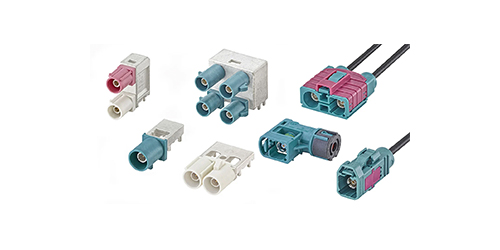
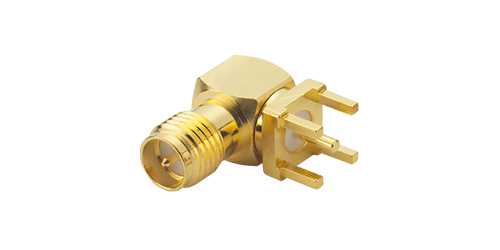
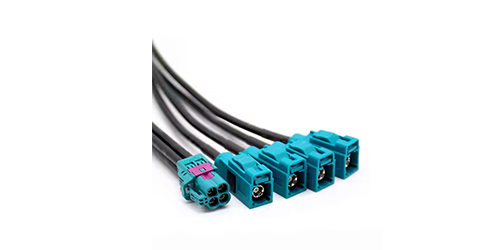
Physical Parameters: Shell material ABS+ rubber waterproof layer; Installation methods (magnetic suction / adhesive / screw fixing); Cable length 3m/5m (customizable); Standard SMA/Fakra connector
Environmental Parameters: Waterproof grade IP67; Working temperature -40℃ ~ +85℃; Storage temperature -50℃ ~ +90℃; Anti-vibration grade industrial vehicle standard
Isolation Performance: Isolation between different frequency bands ≥20dB; Zero signal crosstalk; Built-in electromagnetic shielding filter
5. Main Application Scenarios of Vehicle GPS 4G WiFi Antenna
The versatile and high-performance features make the 4G WiFi GPS vehicle antenna widely used in various automotive intelligent scenarios, covering civilian vehicles, commercial fleets, special engineering vehicles, and mobile intelligent equipment:
5.1 Smart Private Vehicles & New Energy Vehicles
In modern smart cars and new energy electric vehicles, the antenna supports on-board navigation system high-precision positioning, real-time network update of car machine systems, in-car WiFi hotspot coverage, and OTA remote upgrade of vehicle systems. It solves the problems of slow car network speed, inaccurate positioning, and weak WiFi signal in original car equipment, improving the intelligent driving experience of private cars.
5.2 Commercial Fleet Management
It is the core supporting equipment for logistics fleets, express delivery vehicles, taxi fleets, and bus fleet management systems. The antenna provides real-time GPS positioning data for fleet management terminals, supports 4G high-speed transmission of vehicle positioning information, driving track, speed data, and vehicle status information, and realizes remote real-time monitoring, trajectory playback, and intelligent scheduling of fleets. Stable 4G network ensures no data loss during long-distance transportation and cross-city driving.
5.3 Engineering & Special Vehicles
Engineering vehicles, sanitation vehicles, fire trucks, and rescue vehicles often work in remote areas with weak signals. The high-gain vehicle GPS 4G WiFi antenna can capture weak satellite and network signals, ensuring real-time positioning and network communication of special vehicles. It supports remote scheduling, working status monitoring, and emergency command transmission of special vehicles, improving the efficiency and safety of special operations.
5.4 Mobile Monitoring & On-Board Video Systems
For vehicle-mounted DVR monitoring systems and mobile video surveillance equipment, the antenna provides stable 4G network transmission channels for high-definition video real-time upload, and supports WiFi wireless connection for monitoring equipment debugging and data derivation. It is widely used in vehicle-mounted monitoring of police cars, patrol cars, and logistics surveillance vehicles.
5.5 RVs & Mobile Intelligent Devices
RVs, mobile offices, and vehicle-mounted router equipment rely on this combo antenna to realize outdoor mobile network coverage and real-time positioning. The IP67 waterproof and dustproof design adapts to outdoor wild environments, providing stable network and positioning services for outdoor travel, field operations, and mobile office scenarios.
6. Installation Methods & Standard Operation Steps
The vehicle GPS 4G WiFi antenna supports a variety of flexible installation methods, suitable for different vehicle structures and installation scenarios. The installation process is simple, no professional modification is required, and it can be completed manually. The mainstream installation methods and standard steps are as follows:
6.1 Three Common Installation Methods
Magnetic Suction Installation: The bottom of the antenna is equipped with a strong magnetic base, which can be directly adsorbed on the metal surface of the vehicle roof, trunk, and chassis. It features convenient disassembly and no damage to the vehicle body, suitable for temporary use and vehicle models that do not allow drilling modification.
Adhesive Installation: Equipped with high-temperature resistant double-sided adhesive tape, which can be pasted on the inner side of the car window, plastic shell of the vehicle body, and hidden positions inside the car. The installation is hidden and beautiful, does not affect the vehicle appearance, and is suitable for private car modification.
Screw Fixed Installation: Reserved fixing holes at the antenna base, suitable for fixed installation of fleet vehicles and engineering vehicles. The installation is firm and anti-loose, suitable for long-term high-frequency driving scenarios.
6.2 Standard Installation Steps
First, clean the installation position of the vehicle to ensure the surface is dry, flat, and free of dust and oil stains, to avoid affecting the fixing firmness and signal reception. Second, select the appropriate installation method according to the vehicle type, fix the antenna firmly, and ensure the antenna is placed horizontally with no shielding around it (metal shielding will affect signal reception). Third, arrange the antenna wiring harness neatly, avoid winding and extrusion, and pass the wire through the gap of the vehicle body to the interior. Finally, connect the SMA/Fakra connector to the corresponding interface of the on-board terminal, router, or T-BOX equipment, power on the equipment, and test positioning and network signal stability.
Note: To ensure the best signal effect, the antenna should be installed in an open position as far as possible, avoiding coverage by metal accessories, sun visors, and thick car films, which can effectively improve signal reception sensitivity.
7. Common Faults & Professional Troubleshooting Methods
In the long-term use of vehicle GPS 4G WiFi antennas, minor signal faults may occur due to vehicle vibration, environmental changes, and wiring aging. The following are common faults and efficient troubleshooting methods to help users quickly solve problems:
7.1 Slow GPS Positioning & Position Drift
Common causes: The antenna installation position is blocked by metal; the wiring harness is loose or aging; the satellite signal is weak in the driving environment. Troubleshooting: Adjust the antenna to an open unobstructed position; check and re-plug the connector to ensure tight connection; replace the aging wiring harness; restart the on-board positioning terminal to refresh satellite signals.
7.2 4G Network Instability & Frequent Disconnection
Common causes: Poor contact of 4G antenna interface; external signal interference; antenna gain attenuation caused by long-term use. Troubleshooting: Check whether the 4G interface is loose; eliminate surrounding electronic equipment interference; confirm whether the local 4G network signal coverage is normal; replace the high-gain antenna to enhance signal reception capability.
7.3 Weak In-Car WiFi Signal
Common causes: WiFi antenna wiring fault; dual-band WiFi switching failure; excessive distance between equipment and antenna. Troubleshooting: Check WiFi module wiring; manually switch 2.4G/5G dual-band according to the usage scenario; adjust the antenna installation position to the middle of the vehicle to optimize signal coverage.
7.4 No Signal Output of the Whole Antenna
Common causes: Damaged antenna internal module; broken wiring harness; incorrect interface connection. Troubleshooting: Check whether the wiring harness is broken or damaged; confirm the corresponding relationship between the interface and the equipment; replace the new antenna for testing if the internal module is damaged.
8. How to Choose a High-Quality Vehicle GPS 4G WiFi Antenna? Buying Guide
There are many types of vehicle combo antennas on the market with uneven quality. To avoid purchasing low-performance products that affect vehicle intelligent system operation, users can refer to the following core selection standards to choose a reliable vehicle GPS 4G WiFi antenna:
First, check the core performance parameters: Prioritize products with full-band 4G coverage, multi-system GNSS positioning support, and dual-band WiFi design. Ensure that the GPS gain is above 25dBi and the 4G/WiFi gain meets industrial standards, to avoid weak signal and poor stability of low-gain antennas.
Second, confirm environmental protection grade and material: Must choose IP67 waterproof and dustproof grade products, with high-temperature resistant and anti-aging shell materials. Inferior antennas with low waterproof grade are easy to be damaged by rain and dust, resulting in short service life and frequent signal faults.
Third, pay attention to anti-interference and isolation performance: Professional frequency band isolation design is essential. High-quality antennas can effectively avoid signal crosstalk between GPS, 4G, and WiFi, while inferior integrated antennas have serious signal interference, resulting in inaccurate positioning and network lag.
Fourth, match installation method and interface type: Select magnetic suction, adhesive or fixed installation according to vehicle usage scenarios. Confirm whether the antenna SMA/Fakra interface matches the on-board equipment interface to avoid incompatible installation failure.
Fifth, check after-sales service and quality certification: Choose products with formal quality certification, long service life warranty, and professional after-sales support, to ensure stable long-term use and convenient after-sales maintenance.
9. Frequently Asked Questions (FAQ) About Vehicle GPS 4G WiFi Antenna
Q1: Can the vehicle GPS 4G WiFi antenna be used for all vehicle models?
Yes. This 3-in-1 combo antenna has strong compatibility, suitable for all vehicle models such as fuel vehicles, new energy vehicles, trucks, buses, and engineering vehicles. It supports all mainstream on-board terminals, car routers, and fleet management equipment, with no vehicle model restrictions.
Q2: Does the external antenna affect the vehicle appearance and driving safety?
No. The antenna is compact and lightweight, with a low-profile design. Magnetic suction and adhesive installation will not damage the vehicle body or affect the vehicle appearance. The streamlined shell will not increase driving wind resistance, and the fixed structure is firm, which will not fall off during high-speed driving, ensuring driving safety.
Q3: What is the service life of the vehicle combo antenna?
Industrial-grade high-quality vehicle GPS 4G WiFi antennas have a service life of more than 5 years. The anti-aging, waterproof and shockproof design can adapt to long-term outdoor and vehicle working environments, with stable performance and no attenuation. Inferior products usually have a service life of less than 1 year, with frequent signal faults.
Q4: Can the antenna work normally in extreme weather?
Yes. IP67 waterproof and dustproof grade and wide temperature adaptation design enable the antenna to work stably in heavy rain, snow, high temperature, and low temperature environments, with no signal interruption or equipment damage.
Q5: Is professional installation required?
No. The antenna installation process is simple, with plug-and-play design. Users can complete the installation and debugging by themselves according to the installation steps, without professional wiring and modification technology.
As the core wireless signal accessory of modern intelligent vehicles, the Vehicle GPS 4G WiFi Antenna solves the pain points of single function, messy wiring, serious signal interference, and poor stability of traditional vehicle antennas. Its integrated multi-band design, industrial-grade environmental adaptability, high-gain stable signal performance, and wide equipment compatibility make it the preferred solution for vehicle positioning, 4G network transmission, and in-car WiFi coverage.
Whether it is for private car intelligent upgrade, commercial fleet intelligent management, or special vehicle mobile communication guarantee, a high-quality GPS 4G WiFi combo antenna can significantly improve the stability of vehicle intelligent systems, reduce operation and maintenance costs, and bring a more reliable driving and management experience. When purchasing, users should focus on core performance, environmental resistance, and anti-interference ability to select industrial-grade qualified products, ensuring long-term stable operation of vehicle wireless signal systems.
Lucy Yang | lucy.y@toxutech.com
Dotty Zhao | sales04@toxutech.com
Global Business Director / Sales Team / Global Operations


 En
 Cn
 Korean
 Home >
