

-
Products -PCBA Manufacturing RF Connectors RF Cable Assemblys Embedded Antennas External Antennas GNSS Positioning Solutions
RF Connectors

RF Cable Assemblys
Embedded Antennas
External Antennas
GNSS Positioning Solutions





 Language


Language


Time:2026-10-17 Views:0
Vehicle dual LTE MIMO antennas have become an indispensable hardware component for modern mobile connectivity, powering stable, high-speed 4G LTE cellular networks for all types of vehicles. From commercial fleet trucks and delivery vans to passenger cars, RVs, and autonomous vehicles, these specialized antennas solve the most common pain points of in-vehicle internet: weak signal penetration, unstable connection during high-speed movement, slow data speeds, and frequent network dropouts. Unlike traditional single LTE antennas, the dual LTE 2x2 MIMO vehicle antenna leverages multi-input multi-output technology to double data throughput, enhance signal diversity, and deliver consistent cellular performance in complex driving environments.
In this comprehensive 2026 guide, we will break down everything you need to know about vehicle dual LTE MIMO antennas, including their working principle, core benefits, key technical specifications, application scenarios, installation tips, selection criteria, and frequently asked questions. This article is fully optimized for Google SEO, targeting high-intent keywords such as vehicle dual LTE MIMO antenna, 2x2 MIMO LTE vehicle antenna, best LTE MIMO antenna for fleet vehicles, and waterproof vehicle cellular MIMO antenna, helping users and industry professionals make informed purchasing and deployment decisions.
1. What Is a Vehicle Dual LTE MIMO Antenna?
A vehicle dual LTE MIMO antenna is a professional-grade cellular antenna designed exclusively for automotive and mobile environments, featuring two independent, isolated LTE antenna elements built into a single compact housing. It follows the standard 2x2 MIMO (Multiple-Input Multiple-Output) architecture, which is the mainstream technical solution for 4G LTE high-speed mobile communication. Unlike single antennas that only support one data stream for transmission and reception, dual MIMO antennas enable two simultaneous cellular data streams, drastically improving network capacity and connection stability.
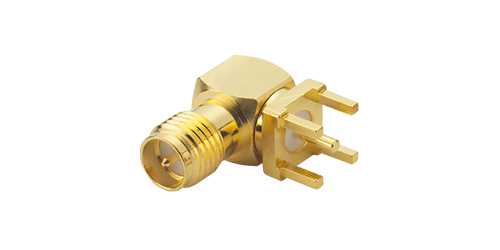
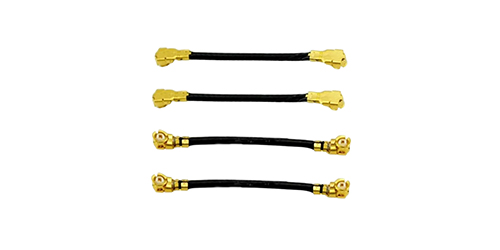
Different from ordinary indoor LTE antennas or single-band vehicle stubby antennas, dual LTE MIMO vehicle antennas are engineered to withstand harsh automotive operating conditions. They adopt rugged, waterproof, dustproof, and vibration-resistant designs, supporting long-term outdoor installation on vehicle roofs, dashboards, or rear windows. Each antenna element comes with an independent coaxial cable and connector (SMA, TS9, or U.FL), ensuring zero signal interference between the two MIMO channels and maximizing the advantages of MIMO technology.
Most modern vehicle dual LTE MIMO antennas support full 4G LTE frequency bands (698MHz–2700MHz), covering all global LTE bands including B1, B3, B5, B7, B8, B20, and B28. Some upgraded models are backward compatible with 3G and 2G networks and reserve partial 5G low-band compatibility, making them future-proof for long-term vehicle networking deployment.
2. How Does a Dual LTE MIMO Vehicle Antenna Work? (Core Technical Principle)
To understand why vehicle dual LTE MIMO antennas outperform traditional single antennas, it is essential to master the core working logic of 2x2 MIMO technology in automotive scenarios. The entire working mechanism can be divided into three key parts: signal diversity, multi-stream transmission, and interference suppression.
2.1 Spatial Diversity for Anti-Fading
Vehicle cellular communication faces severe signal fading and multipath interference. When a vehicle is moving at high speeds, cellular signals bounce off buildings, mountains, trees, and road surfaces, resulting in signal attenuation, phase offset, and temporary signal loss. A single antenna can only receive one signal path, leading to unstable connections and data packet loss.
Dual LTE MIMO antennas use spatial diversity technology. The two internal antenna elements are placed with a fixed isolation distance and cross-polarized design, enabling them to receive two independent signal paths simultaneously. When one signal fades or weakens due to environmental obstacles, the other channel can compensate for the signal gap in real time. This mechanism effectively eliminates fast fading caused by vehicle movement and greatly improves connection stability in urban dense areas, suburban roads, and remote rural areas.
2.2 Dual-Stream Transmission for Higher Throughput
The biggest advantage of 2x2 MIMO is dual-channel parallel data transmission. Traditional single LTE antennas only support 1T1R (1 Transmit 1 Receive) mode, with a maximum downlink throughput limited to 150Mbps for 4G LTE. In contrast, vehicle dual LTE MIMO antennas support 2T2R dual-stream transmission, theoretically doubling the peak downlink speed to 300Mbps. In actual vehicle operating environments, the effective throughput improvement ranges from 40% to 90%, which is far more stable than single-antenna speed boosts.
It is critical to note that MIMO speed improvement requires matching device support. The vehicle’s LTE router, modem, or telematics terminal must support 2x2 MIMO decoding to activate dual-stream transmission. If the device only supports single-channel reception, the dual antenna will still work for signal diversity but cannot achieve double speed.
2.3 Isolated Design for Zero Channel Interference
High-quality vehicle dual LTE MIMO antennas adopt strict channel isolation technology. The two antenna elements are separated by shielding materials, with isolation indicators greater than 20dB, ensuring no crosstalk or signal interference between the two channels. Ordinary dual antennas on the market often have poor isolation, leading to signal superposition distortion and reduced overall signal quality. Professional automotive-grade MIMO antennas solve this problem perfectly, maintaining independent and pure signal transmission for each channel.
3. Key Benefits of Vehicle Dual LTE MIMO Antennas
More and more fleet companies, automotive manufacturers, and RV enthusiasts are replacing traditional single antennas with dual LTE MIMO vehicle antennas, thanks to their unique advantages adapted to mobile vehicle scenarios. The core benefits are summarized as follows:
3.1 Superior Signal Stability in Dynamic Driving Environments
Vehicle movement, terrain changes, and urban building occlusion are the biggest enemies of cellular network stability. Single antennas frequently experience signal dropouts, ping spikes, and disconnections during high-speed driving or in tunnel areas. Dual LTE MIMO antennas rely on spatial diversity to resist signal fading, maintaining continuous and stable network connections in complex scenarios such as highway driving, urban congestion, mountain roads, and underground garages. For telematics devices and fleet monitoring systems, this stability ensures uninterrupted data upload and real-time positioning transmission.
3.2 Faster Data Speed and Lower Latency
Dual-stream MIMO transmission significantly improves LTE data throughput and reduces network latency. Compared with single antennas, dual MIMO antennas reduce network latency by 30%–50%, solving the problems of slow vehicle network loading, delayed video monitoring, and lagging cloud device synchronization. This is crucial for real-time fleet video surveillance, vehicle cloud data transmission, in-car live streaming, and high-speed internet access for passengers.
3.3 Rugged Automotive-Grade Durability
Professional vehicle dual LTE MIMO antennas are designed for extreme automotive working conditions. They feature IP67/IP68 waterproof and dustproof ratings, high-temperature and low-temperature resistance (-40℃ to +85℃), vibration resistance, and UV resistance. They can withstand long-term wind, rain, snow, and sun exposure without performance degradation, and resist vibration damage during vehicle driving. The high-strength ABS radome and stainless steel mounting structure ensure a service life of more than 5 years, far exceeding ordinary consumer-grade antennas.
3.4 Wide Frequency Band Compatibility
Most vehicle dual LTE MIMO antennas support a full LTE frequency range of 698MHz–2700MHz, covering all global 4G LTE operators’ frequency bands. They are compatible with mainstream LTE routers, modems, and telematics terminals on the market, with no frequency band restrictions for cross-region use. Some models support dual-band 2.4G/5G WiFi or GPS integrated functions, realizing multi-functional integration of one antenna, saving vehicle installation space and reducing wiring complexity.
3.5 Flexible and Simple Installation
Vehicle dual LTE MIMO antennas support multiple installation methods, including magnetic suction, screw fixation, adhesive pasting, and window clamping. The magnetic mount design requires no drilling or damage to the vehicle body, enabling quick installation and disassembly, which is very suitable for temporary vehicles, rental cars, and RVs. Fixed screw mounting is applicable to commercial fleet vehicles, ensuring firm installation and no falling off during long-term driving. The dual independent 3-meter/5-meter extension cables can easily connect to vehicle-mounted routers and modems, adapting to various vehicle models and internal wiring layouts.

4. Core Technical Specifications of Premium Vehicle Dual LTE MIMO Antennas
When selecting a vehicle dual LTE MIMO antenna, technical parameters directly determine the product’s performance and applicability. The following are the standard core specifications of high-quality automotive-grade dual LTE MIMO antennas, which are key reference indicators for purchasing:
Frequency Range: 698MHz–2700MHz (full-band 4G LTE, compatible with 2G/3G)
MIMO Mode: Standard 2x2 MIMO dual-channel independent transmission
Antenna Gain: 5dBi–8dBi high gain, improving long-distance signal reception capability
Channel Isolation: ≥20dB, zero crosstalk between dual channels
VSWR: ≤1.5, low standing wave ratio, low signal loss
Waterproof Grade: IP67/IP68 dustproof and waterproof, fully adapted to outdoor vehicle use
Working Temperature: -40℃ ~ +85℃, adapting to extreme cold and high-temperature environments
Connector Type: SMA Male, TS9, U.FL (optional, compatible with most vehicle modems)
Cable Length: 3m/5m/10m customizable low-loss coaxial cable
Polarization Mode: Omnidirectional cross-polarization, no signal dead angle
Mounting Method: Magnetic suction / screw fixation / adhesive mounting
Antennas with these parameters can meet the long-term stable operation requirements of commercial vehicles, industrial vehicles, and passenger vehicles, avoiding signal attenuation, high loss, and unstable connection problems caused by inferior antenna parameters.
5. Main Application Scenarios of Vehicle Dual LTE MIMO Antennas
With the rapid development of intelligent connected vehicles and vehicle networking technology, dual LTE MIMO vehicle antennas have been widely used in multiple industry scenarios, becoming the core hardware for mobile vehicle internet access and intelligent vehicle terminals:
5.1 Commercial Fleet Telematics
Logistics fleets, express delivery vehicles, taxi fleets, and bus fleets rely on vehicle networking systems for real-time positioning, driving track monitoring, vehicle condition data upload, and dispatching information reception. Fleet vehicles often drive across urban and rural areas with complex signal environments. Dual LTE MIMO antennas ensure stable network connection for fleet telematics terminals, realizing 24-hour uninterrupted data transmission, improving fleet management efficiency, and reducing vehicle operation risks.
5.2 RV and Mobile Travel Internet
RV users often travel to remote suburbs, mountainous areas, and scenic spots with weak cellular signals. Traditional vehicle antennas cannot support high-speed internet access for multiple devices. Vehicle dual LTE MIMO antennas enhance signal reception sensitivity, realize high-speed LTE network coverage in weak signal areas, support multi-device connection such as mobile phones, tablets, and car machines, and meet the needs of outdoor office, live streaming, and entertainment during RV travel.
5.3 Intelligent Connected and Autonomous Vehicles
L2-L4 level autonomous vehicles and intelligent connected vehicles need to transmit massive sensor data, road condition information, and cloud interaction data in real time, which puts forward extremely high requirements on network speed, latency, and stability. Dual LTE MIMO antennas provide high-throughput and low-latency LTE network support for vehicle-cloud interaction, ensuring real-time transmission of autonomous driving data and improving the safety and intelligence of vehicle operation.
5.4 Vehicle-Mounted Video Monitoring
Online car-hailing vehicles, buses, and engineering vehicles are equipped with vehicle-mounted video monitoring systems, which need to upload real-time high-definition video to the cloud platform. Single LTE antennas are prone to video stuttering and frame loss due to insufficient bandwidth. Dual LTE MIMO dual-stream transmission increases network bandwidth, supports stable upload of 1080P high-definition video, and ensures clear and smooth remote monitoring footage.
5.5 Industrial Vehicle and Special Vehicle Networking
Engineering machinery, agricultural vehicles, patrol cars, and emergency rescue vehicles work in harsh outdoor environments for a long time. Their vehicle networking equipment needs stable cellular network support. Industrial-grade vehicle dual LTE MIMO antennas have super environmental adaptability, resisting high temperature, low temperature, vibration, and rain erosion, providing reliable network guarantee for special vehicle data transmission and remote scheduling.
6. How to Choose the Best Vehicle Dual LTE MIMO Antenna? (2026 Buying Guide)
There are many types of vehicle dual LTE MIMO antennas on the market with uneven quality. To help users avoid purchasing inferior products, we summarize the most practical selection standards based on automotive application scenarios and technical requirements:
6.1 Confirm Frequency Band Compatibility
First, confirm the LTE frequency bands of local operators and match them with the antenna frequency range. It is recommended to choose full-band 698–2700MHz dual MIMO antennas, which are compatible with all global LTE bands and will not be eliminated due to operator frequency adjustment. Avoid single-band or narrow-band antennas, which are prone to signal failure in cross-regional driving.
6.2 Check MIMO Channel Isolation and Gain
Channel isolation is the core indicator of MIMO antenna quality. Qualified dual LTE MIMO antennas must have isolation ≥20dB to ensure no interference between dual channels. In terms of gain, 5–8dBi high gain is the most suitable for vehicle scenarios. Excessively high gain will cause signal distortion, while low gain leads to weak reception ability in remote areas.
6.3 Prioritize Automotive-Grade Waterproof and Durable Design
Vehicle antennas work outdoors all year round, so durability is crucial. It is necessary to select products with IP67/IP68 waterproof and dustproof certification, wide temperature resistance range, and anti-vibration structure. Inferior antennas without waterproof certification will be damaged by rain and dew penetration in a short time, resulting in signal failure.
6.4 Match Connector and Cable Specification
According to the interface type of the vehicle-mounted LTE router/modem, select the corresponding antenna connector (SMA/TS9/U.FL). For most vehicle industrial routers, SMA male connectors are the mainstream choice. In terms of cables, choose low-loss coaxial cables to avoid excessive signal attenuation caused by long-distance wiring. For large vehicles such as trucks and buses, you can customize 5m or 10m long cables.
6.5 Select Appropriate Mounting Method
For private cars and RVs with non-destructive installation requirements, choose magnetic suction or adhesive mounting antennas. For commercial fleets and engineering vehicles that require long-term fixed use, select screw-through fixed antennas, which are more firm and wind-resistant, avoiding antenna falling off during high-speed driving.
7. Professional Installation Tips for Vehicle Dual LTE MIMO Antennas
Even high-performancevehicle dual LTE MIMO antennas cannot exert their maximum effect without standardized installation. The following professional installation skills can effectively improve antenna signal performance and service life:
7.1 Choose a Good Installation Position
The best installation position is the center of the vehicle roof, with no metal shielding around it. Metal vehicle shells will shield cellular signals, so avoid installing the antenna in the trunk, under the hood, or inside the car with dense metal shielding. Ensure the antenna is exposed to the open air to receive omnidirectional cellular signals.
7.2 Standardize Dual-Channel Wiring
The two cables of the dual MIMO antenna must be connected to the two MIMO antenna interfaces of the router/modem respectively, and cannot be connected in reverse or idle. Keep the two cables parallel during wiring, avoid excessive winding and extrusion, and maintain consistent cable length to ensure balanced signal transmission of the two channels.
7.3 Do a Good Job of Waterproof and Anti-Corrosion Treatment
For roof-mounted antennas, wrap the wiring holes and connector parts with waterproof tape to prevent rainwater from penetrating into the vehicle body and equipment. Regularly clean the antenna surface of dust, sediment, and bird droppings to avoid affecting signal reception and causing shell corrosion.
7.4 Avoid Electromagnetic Interference
Keep the antenna away from vehicle high-voltage lines, engine parts, and other electromagnetic interference sources. Electromagnetic radiation will interfere with LTE signal transmission, resulting in unstable network speed and increased packet loss rate. Maintain a distance of more than 30cm between the antenna and interference sources.
8. FAQs About Vehicle Dual LTE MIMO Antennas
8.1 What is the difference between single LTE antenna and dual LTE MIMO antenna?
Single LTE antenna only supports 1T1R single-stream transmission, with slow speed and poor anti-fading ability, prone to disconnection during driving. Dual LTE MIMO antenna supports 2T2R dual-stream transmission, with 40%–90% speed improvement, stronger signal anti-interference ability, and more stable connection, which is specially optimized for mobile vehicle scenarios.
8.2 Can dual LTE MIMO antennas improve signals in rural areas?
Yes. High-gain vehicle dual LTE MIMO antennas enhance signal reception sensitivity, and the spatial diversity design can capture weak scattered signals in remote rural areas, effectively solving the problem of no network or slow network speed in rural driving scenarios.
8.3 Do all LTE routers support dual MIMO antennas?
No. Only routers/modems with dual MIMO antenna interfaces and support for 2x2 MIMO decoding can realize dual-stream speed increase. Single-interface routers can only use single-channel signals, but dual antennas can still play a role in signal diversity and stability improvement.
8.4 Is drilling installation necessary for vehicle dual MIMO antennas?
No. Most civilian and commercial dual LTE MIMO antennas adopt magnetic suction or adhesive non-destructive installation, which will not damage the vehicle paint and body. Drilling installation is only used for special industrial vehicles that require ultra-firm fixation.
8.5 Can dual LTE MIMO antennas be used for 5G networks?
Most full-band dual LTE MIMO antennas support 5G low-band (sub-6G low frequency) signals, which can be compatible with 5G LTE hybrid networking. For full-speed 5G network experience, it is recommended to upgrade to professional 5G 2x2/4x4 MIMO vehicle antennas.
In the era of intelligent vehicle networking, stable and high-speed cellular connectivity has become a basic demand for all types of vehicles. Vehicle dual LTE MIMO antennas solve the inherent defects of traditional single vehicle antennas in speed, stability, and anti-interference ability through 2x2 MIMO dual-channel technology and automotive-grade rugged design. Whether it is commercial fleet management, RV outdoor networking, intelligent vehicle cloud interaction, or vehicle-mounted video monitoring, dual LTE MIMO antennas can provide reliable long-term network support.
When purchasing and deploying, users should focus on full-band compatibility, channel isolation, waterproof durability, and interface matching, and standardize installation and maintenance to maximize antenna performance. With the continuous upgrading of vehicle networking technology, vehicle dual LTE MIMO antennas will continue to be the mainstream choice for mobile vehicle cellular connectivity, bringing more stable and efficient network experience for intelligent transportation and mobile travel.
Lucy Yang | lucy.y@toxutech.com
Dotty Zhao | sales04@toxutech.com
Global Business Director / Sales Team / Global Operations


 En
 Cn
 Korean
 Home >
