

-
Products -PCBA Manufacturing RF Connectors RF Cable Assemblys Embedded Antennas External Antennas GNSS Positioning Solutions
RF Connectors

RF Cable Assemblys
Embedded Antennas
External Antennas
GNSS Positioning Solutions






 Language


Language


Time:2026-10-17 Views:0
Vehicle custom GNSS antenna has become an indispensable core component of modern intelligent vehicles, fleet management systems, autonomous driving equipment, and automotive telematics devices. Unlike standard off-the-shelf GNSS antennas that offer universal but limited performance, custom vehicle GNSS antennas are engineered to match specific vehicle models, installation environments, application scenarios, and precision positioning requirements. With the rapid development of connected cars, ADAS (Advanced Driver Assistance Systems), autonomous navigation, and real-time fleet tracking, the demand for high-stability, high-precision, and vehicle-specific customized GNSS antenna solutions has surged globally. This comprehensive guide explores everything you need to know about custom GNSS antennas for vehicles, including core benefits, key customization options, technical specifications, application scenarios, selection criteria, and installation best practices, helping businesses and automotive engineers select the optimal custom GNSS antenna for diverse vehicle applications.
1. What Is a Custom Vehicle GNSS Antenna?
A custom vehicle GNSS antenna is a tailor-made satellite signal receiving antenna designed exclusively for automotive and mobile vehicle environments. It supports full-band GNSS satellite systems, including GPS (L1/L2/L5), GLONASS, Galileo, BeiDou, and SBAS (Satellite-Based Augmentation System), delivering continuous, high-precision positioning and navigation data for vehicles. Different from generic GNSS antennas that adopt standardized size, structure, and performance parameters, custom vehicle GNSS antennas undergo personalized optimization in terms of physical structure, electrical performance, environmental adaptability, installation mode, and anti-interference capability according to customers’ actual vehicle usage needs.
Vehicle operating environments are extremely complex and variable. Vehicles face extreme temperature fluctuations, strong vibration, electromagnetic interference from on-board electronic equipment, signal occlusion from urban high-rise buildings (urban canyons), tunnel signal attenuation, and multipath signal reflection. Standard GNSS antennas often suffer from signal loss, positioning drift, low accuracy, and unstable operation in such harsh scenarios. Custom vehicle GNSS antennas are precisely optimized to solve these pain points, ensuring stable and reliable satellite signal reception in all vehicle driving states and complex road environments.
Professional custom GNSS antenna manufacturers provide one-stop customization services, covering size customization, appearance design, frequency band optimization, gain adjustment, anti-interference reinforcement, waterproof and dustproof grade upgrading, mounting structure customization, and cable parameter customization, fully adapting to passenger cars, commercial vehicles, engineering vehicles, fleet trucks, new energy vehicles, and unmanned autonomous vehicles.
2. Core Advantages of Custom GNSS Antennas for Vehicles Over Standard Antennas
More and more automotive enterprises, fleet management companies, and intelligent vehicle solution providers are abandoning standard GNSS antennas and choosing custom vehicle GNSS antenna solutions, mainly because customized products have irreplaceable comprehensive advantages in performance, adaptability, and service life. The core advantages are summarized as follows:
2.1 Perfect Adaptation to Vehicle Installation Space and Structure
Different vehicle types have completely different reserved installation spaces, shell structures, and internal layout designs. Standard GNSS antennas have fixed dimensions and mounting methods, which often lead to installation difficulties, protruding structures affecting vehicle aesthetics, or excessive occupation of limited on-board space. Custom vehicle GNSS antennas support full-size personalized customization, including low-profile ultra-thin design, miniaturized embedded structure, and special-shaped shell adaptation. Engineers can adjust the antenna height, length, width, and overall structure according to the vehicle’s internal instrument panel, roof, or tail box installation position, realizing seamless fitting installation without modification of the vehicle body, which not only ensures neat and beautiful installation but also avoids vehicle structure damage caused by forced installation.
2.2 Optimized Signal Performance for Complex Vehicle Driving Scenarios
Vehicle driving scenarios involve urban roads, suburban roads, mountain roads, tunnels, viaducts, and dense building areas, which easily cause satellite signal occlusion, attenuation, and multipath interference. Custom GNSS antennas can be professionally optimized for targeted scenarios: improving antenna gain for weak signal environments, enhancing multipath suppression technology for urban canyon scenarios, and optimizing signal tracking sensitivity for tunnel entry and exit switching scenarios. Compared with standard antennas with fixed gain and sensitivity parameters, customized products can effectively reduce positioning drift, improve positioning continuity, and shorten TTFF (Time to First Fix), ensuring real-time and accurate vehicle positioning data output.
2.3 Strong Anti-Interference Ability for On-Board Electromagnetic Environment
Modern intelligent vehicles are equipped with a large number of electronic devices, including vehicle-mounted Bluetooth, Wi-Fi, radar, ECU control modules, and new energy vehicle power systems, which will generate strong electromagnetic interference. Standard GNSS antennas have weak anti-interference performance, which is prone to signal disorder and positioning failure. Custom vehicle GNSS antennas can add customized filter circuits, shielding structures, and interference suppression modules according to the actual electromagnetic interference environment of the vehicle, effectively isolating external electromagnetic signal interference and ensuring the stability of GNSS satellite signal reception.
2.4 Ultra-High Environmental Adaptability and Durability
Vehicles work in outdoor environments all year round, facing extreme temperatures from -40°C to +85°C, rain, snow, fog, dust, and long-term vibration and impact during driving. Custom vehicle GNSS antennas support personalized upgrading of environmental protection levels, meeting IP67/IP68 waterproof and dustproof standards, and adopting high-temperature and low-temperature resistant shell materials and vibration-resistant internal structures. Through customized structural reinforcement and material optimization, the antenna can maintain stable electrical performance in extreme weather and long-term vibration working conditions, with a service life matching the whole vehicle life cycle, greatly reducing later maintenance and replacement costs.
2.5 Customized Functional Matching for Diverse Application Needs
Different vehicle scenarios have different positioning accuracy requirements: ordinary civilian navigation only needs meter-level positioning, while ADAS auxiliary driving, autonomous driving, and high-precision fleet management require centimeter-level RTK positioning. Custom GNSS antennas can flexibly adjust frequency bands, support single-band, dual-band, or multi-band full-system signal reception, and customize high-precision phase center stabilization (PCO/PCV optimization) functions to meet low-precision daily navigation and high-precision professional positioning needs, realizing one antenna multi-scene adaptation.
3. Key Customization Options for Vehicle GNSS Antennas
Professional vehicle custom GNSS antenna manufacturers provide comprehensive personalized customization services covering all core parameters and structural designs. The main customizable items that customers need to focus on are as follows, which can be freely combined according to project requirements:
3.1 Frequency Band and System Customization
According to the customer’s regional use environment and positioning precision requirements, the antenna frequency band can be customized flexibly. Optional configurations include single-band L1 (basic GPS/BeiDou positioning), dual-band L1+L2 (improved positioning accuracy and anti-occlusion ability), and full-band L1/L2/L5 multi-system coverage, supporting simultaneous reception of GPS, BeiDou, Galileo, GLONASS, and SBAS satellite signals. For vehicles used in specific regions, targeted frequency band optimization can be carried out to enhance local satellite signal reception stability and improve positioning success rate.
3.2 Structural and Size Customization
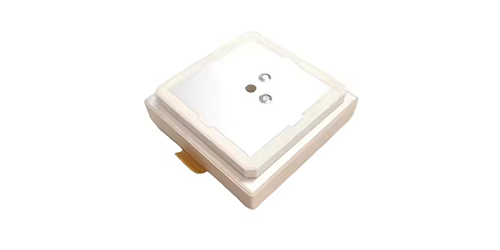
Structural customization is the most common demand for vehicle GNSS antennas, adapting to different vehicle installation limitations. Customizable structures include low-profile surface-mounted type, embedded built-in type, magnetic suction roof type, screw-fixed waterproof type, and mini ultra-thin type. The size can be adjusted arbitrarily according to the reserved installation space, realizing ultra-small size miniaturization or high-gain large-size customized design, solving the installation space bottleneck of special vehicle models.
3.3 Electrical Performance Customization
Electrical parameter customization directly determines the positioning performance of the antenna. Customers can customize antenna gain (3dBi~5dBi conventional gain, high-gain 6dBi~8dBi for weak signal scenarios), standing wave ratio, impedance, signal sensitivity, and phase center stability. For high-precision vehicle positioning scenarios such as autonomous driving and vehicle surveying, professional PCO and PCV calibration customization can be provided to ensure millimeter-level phase center stability and eliminate positioning errors caused by phase center offset.
3.4 Protection and Environmental Adaptability Customization
According to the vehicle’s working environment, the protection level and material can be customized. Conventional civilian vehicles adopt IP65 waterproof and dustproof grade, while engineering vehicles, sanitation vehicles, and outdoor operating vehicles can customize IP67/IP68 high-level protection. The shell materials can be selected from ABS engineering plastic, waterproof rubber, metal shielding shell, etc., with customized anti-aging, anti-ultraviolet, anti-corrosion functions, adapting to long-term outdoor high-temperature exposure and rainy and snowy weather.
3.5 Cable and Interface Customization
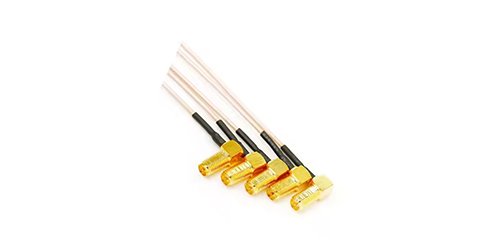
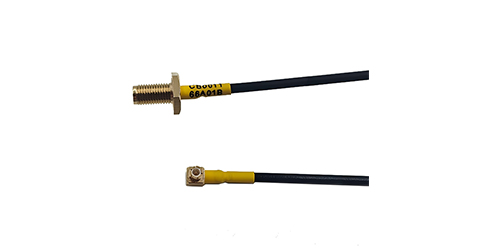
The antenna connecting cable and interface support full customization. Customizable cable lengths range from 0.5m to 10m, supporting ultra-short embedded installation and long-distance vehicle wiring. Cable types can be customized with low-loss high-frequency lines to reduce signal transmission attenuation. Interfaces support SMA, SMB, MCX, U.FL, and other mainstream automotive interfaces, and can be matched with customized waterproof connectors to avoid signal disconnection caused by interface water ingress and vibration loosening.
3.6 Appearance and Brand Customization
To meet the brand image needs of vehicle manufacturers, custom GNSS antennas support personalized appearance customization, including shell color, logo printing, pattern engraving, and exclusive mold opening design. The customized appearance is consistent with the vehicle’s overall style, improving the overall product grade and brand recognition, which is very suitable for OEM supporting vehicle projects and customized fleet equipment.

4. Main Application Scenarios of Custom Vehicle GNSS Antennas
With the continuous upgrading of automotive intelligence, custom vehicle GNSS antenna has been widely used in various vehicle fields, covering civilian passenger vehicles, commercial vehicles, special engineering vehicles, and intelligent unmanned vehicles. The main application scenarios are as follows:
4.1 Intelligent Passenger Vehicle Navigation System
Modern passenger vehicles are equipped with on-board navigation, real-time road condition update, and vehicle location sharing functions. Custom GNSS antennas solve the problems of slow positioning and signal drift of vehicle navigation in urban complex environments. Through targeted optimization of urban canyon signal reception, it ensures continuous and stable navigation signals, improving the accuracy and fluency of vehicle navigation and bringing a better driving experience for users.
4.2 Fleet Management and Logistics Vehicle Tracking
Fleet management companies need real-time, accurate, and continuous positioning data of logistics trucks, delivery vehicles, and official vehicles to realize vehicle scheduling, driving track monitoring, and intelligent management. Custom vehicle GNSS antennas are customized for long-distance driving and high-frequency mobile scenarios, with strong vibration resistance and signal stability, avoiding positioning interruption during vehicle high-speed driving and mountain road driving, helping enterprises realize refined fleet management and reduce operation costs.
4.3 ADAS and Autonomous Driving Systems
ADAS auxiliary driving and L2-L4 level autonomous driving systems put forward ultra-high requirements for positioning accuracy and stability, which require centimeter-level real-time positioning data to support lane keeping, automatic parking, and intelligent obstacle avoidance functions. High-precision custom GNSS antennas adopt multi-band signal reception and phase center stabilization technology, cooperate with RTK differential positioning system, realize centimeter-level high-precision positioning, and provide reliable data support for the safe operation of autonomous vehicles.
4.4 New Energy Vehicle Telematics System
New energy vehicles are equipped with intelligent telematics (T-BOX) systems, which realize vehicle remote monitoring, fault diagnosis, battery status detection, and remote control functions based on GNSS positioning signals. Custom GNSS antennas are specially optimized for the strong electromagnetic interference environment of new energy vehicle power batteries and motor systems, with excellent anti-interference performance, ensuring stable signal transmission of the telematics system and realizing real-time interconnection between vehicles and cloud platforms.
4.5 Special Engineering and Intelligent Unmanned Vehicles
Engineering vehicles, agricultural machinery vehicles, sanitation vehicles, and unmanned delivery vehicles work in complex and harsh working environments with large terrain fluctuations and serious signal occlusion. Custom GNSS antennas can be customized with high-gain signals, high-level protection, and anti-vibration structures according to the operating characteristics of special vehicles, adapting to all-weather outdoor operations and meeting the high-precision positioning needs of intelligent engineering operations and unmanned equipment.
5. How to Choose a High-Quality Custom Vehicle GNSS Antenna Solution
When purchasing and customizing vehicle GNSS antennas, many customers face the problem of difficult selection, prone to choosing products with mismatched performance and unqualified quality. To help you quickly screen high-qualityvehicle custom GNSS antenna solutions, we have sorted out the core selection criteria based on automotive industry standards and actual application experience:
5.1 Confirm Application Scenario and Precision Requirements First
Clarify the vehicle type and positioning accuracy requirements first: ordinary civilian navigation and fleet tracking can choose customized single-band or dual-band antennas with conventional accuracy; ADAS, autonomous driving, and engineering vehicle precision operations must choose multi-band high-precision customized antennas with RTK support and phase center stabilization function. Avoid over-customization leading to cost waste or insufficient customization leading to performance failure.
5.2 Focus on Vehicle-Grade Environmental Adaptability
Vehicle-mounted antennas must meet automotive-grade quality standards, with a working temperature range of -40°C to +85°C, and pass professional vehicle vibration, impact, and aging tests. It is necessary to confirm whether the customized product has IP65 and above waterproof and dustproof protection, anti-ultraviolet, and anti-corrosion capabilities to ensure long-term stable operation in outdoor vehicle environments.
5.3 Verify Anti-Interference and Signal Stability Performance
Prioritize customized antennas with professional electromagnetic shielding and multipath suppression technology. For new energy vehicles and intelligent vehicles with complex electronic systems, it is necessary to customize enhanced anti-interference circuits to avoid signal interference from on-board radar, power systems, and communication equipment, ensuring continuous signal locking and no positioning drift during vehicle driving.
5.4 Match Installation Method and Structural Size
According to the vehicle’s actual installation position (roof, instrument panel, interior compartment) and reserved space, customize the antenna structure and installation method. Hidden embedded installation requires miniaturized ultra-thin customized antennas; outdoor roof installation requires waterproof and dustproof screw-fixed or magnetic suction customized structures to ensure convenient installation and firm fixation.
5.5 Select Qualified Automotive-Grade Manufacturers
Choose manufacturers with IATF16949 automotive quality system certification, professional GNSS antenna customization technology, and rich vehicle supporting experience. Regular manufacturers can provide one-stop services from scheme design, sample customization, performance testing, to mass production, and provide professional after-sales technical support to ensure that the customized products meet automotive industry standards and project requirements.
6. Installation and Maintenance Tips for Custom Vehicle GNSS Antennas
Even high-performance custom vehicle GNSS antenna cannot exert its optimal effect without standardized installation and daily maintenance. The following professional installation and maintenance guidelines help maximize the service performance and service life of customized antennas:
6.1 Standard Installation Guidelines
First, select a reasonable installation position: try to install the antenna in an open position without metal occlusion, such as the center of the vehicle roof, to avoid signal shielding by metal structures such as vehicle bodies and roof racks. For hidden installation, avoid embedding it under metal decorative parts and choose plastic or glass covering positions. Second, fix the antenna firmly: according to the customized installation structure, use matching fixing parts to avoid antenna displacement and falling off caused by long-term vehicle vibration. Finally, standardize wiring: the customized low-loss cable should be arranged neatly, avoid winding and extrusion, and ensure tight interface connection to prevent signal attenuation and disconnection.
6.2 Daily Maintenance and Inspection
Regularly check the antenna shell for damage, water ingress, and dust accumulation, and clean the antenna surface in time to avoid dust and sediment blocking signal reception. Regularly inspect the cable interface for looseness and aging, and replace aging cables in time. For vehicles operating in harsh environments, conduct quarterly performance detection to check whether the antenna positioning accuracy and signal sensitivity are normal, and eliminate potential faults in advance.
6.3 Fault Troubleshooting Common Problems
If the vehicle has slow positioning, large positioning deviation, or intermittent signal loss, first check whether the antenna installation position is blocked, whether the interface is loose, and whether the cable is damaged. If no structural fault is found, test the antenna signal performance, judge whether the anti-interference function fails, and contact the manufacturer for professional debugging and parameter optimization. Regular maintenance can effectively reduce antenna failure rate and ensure long-term stable operation of vehicle positioning system.
7. FAQ About Custom Vehicle GNSS Antennas
Q1: What is the difference between custom and standard vehicle GNSS antennas?
Standard GNSS antennas adopt fixed parameters and universal structures, which are low-cost but poor in environmental adaptability and scenario pertinence, and are prone to unstable signals in complex vehicle environments. Custom vehicle GNSS antennas are tailored for specific vehicle models and application scenarios, with optimized performance, targeted anti-interference and anti-vibration capabilities, perfect installation matching, and longer service life, which is more suitable for high-precision and high-stability vehicle positioning projects.
Q2: How long does it take to customize a vehicle GNSS antenna?
The customization cycle depends on the complexity of requirements. Conventional size, interface, and gain parameter customization can complete sample production within 3-7 working days; structural mold opening, special material customization, and high-precision RTK antenna customization take 10-15 working days; mass production can be completed according to order quantity, supporting fast delivery for automotive project orders.
Q3: Are custom vehicle GNSS antennas compatible with all vehicle positioning systems?
Yes. Professional customized GNSS antennas support mainstream vehicle positioning modules, T-BOX systems, ADAS systems, and fleet tracking equipment on the market. During customization, engineers will match the antenna parameters with the customer’s terminal equipment parameters to ensure full compatibility and plug-and-play use.
Q4: Do custom vehicle GNSS antennas support all-weather outdoor use?
Custom vehicle GNSS antennas can be customized with automotive-grade high-temperature and low-temperature resistance, waterproof, dustproof, anti-ultraviolet, and anti-corrosion functions, adapting to -40°C~+85°C extreme temperature environment and rainy, snowy, dusty outdoor weather, realizing 24-hour all-weather stable operation without performance degradation.
Q5: Is the cost of custom vehicle GNSS antennas higher than standard ones?
The unit cost of customized antennas is slightly higher than standard products, but it can effectively reduce later maintenance, replacement, and fault loss costs. For long-term vehicle supporting and fleet batch use, customized antennas with stable performance and long service life have higher comprehensive cost performance and can create greater long-term value for customers.
As the core signal receiving component of vehicle positioning and navigation systems, vehicle custom GNSS antenna determines the accuracy, stability, and continuity of vehicle positioning data. In the era of rapid development of intelligent connected vehicles and autonomous driving, universal standard GNSS antennas can no longer meet the personalized and high-precision application needs of diverse vehicle scenarios. Custom vehicle GNSS antennas, with their advantages of scenario-oriented performance optimization, perfect structural adaptation, strong environmental adaptability, and personalized functional matching, have become the preferred solution for high-end automotive navigation, ADAS systems, intelligent fleet management, and unmanned vehicle positioning.
Choosing a professional vehicle GNSS antenna customization solution can effectively solve the pain points of unstable vehicle satellite signals, large positioning errors, and difficult installation adaptation, providing reliable technical support for the intelligent upgrading and safe operation of various vehicles. Whether you need conventional civilian navigation customized antennas or high-precision RTK vehicle positioning customized solutions, professional manufacturers can provide one-stop personalized customization services to meet the differentiated needs of various automotive projects.
Lucy Yang | lucy.y@toxutech.com
Dotty Zhao | sales04@toxutech.com
Global Business Director / Sales Team / Global Operations


 En
 Cn
 Korean
 Home >
