

-
Products -PCBA Manufacturing RF Connectors RF Cable Assemblys Embedded Antennas External Antennas GNSS Positioning Solutions
RF Connectors

RF Cable Assemblys
Embedded Antennas
External Antennas
GNSS Positioning Solutions

 Language


Language


Time:2026-10-17 Views:0
SMA FAKRA antenna jumper cables are the most widely used RF transition cables for bridging standard SMA RF ports and automotive-grade FAKRA antenna interfaces. Designed for low signal loss, high vibration resistance, and universal compatibility, these jumper wires serve as a critical connection solution for automotive GPS, 4G LTE, 5G, WiFi, Bluetooth, and industrial wireless communication systems. Whether you are upgrading vehicle antenna systems, assembling industrial RF devices, repairing car navigation modules, or building custom wireless setups, a high-quality SMA FAKRA antenna jumper ensures stable signal transmission, seamless interface conversion, and long-term operational reliability. This comprehensive SEO guide covers everything you need to know about SMA FAKRA jumpers, including core features, technical specifications, application scenarios, selection criteria, installation tips, and frequently asked questions to help you choose the perfect RF jumper cable for your project.
1. What Is an SMA FAKRA Antenna Jumper?
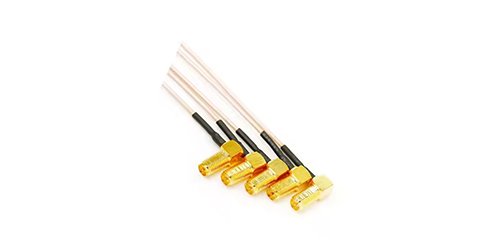
An SMA FAKRA antenna jumper is a flexible coaxial adapter cable that features an SMA connector on one end and a FAKRA automotive RF connector on the other end. It acts as a transitional bridge to solve the interface incompatibility issue between consumer-grade SMA wireless devices and automotive-standard FAKRA antenna ports. Unlike ordinary antenna extension cables, this type of jumper is professionally optimized for RF signal transmission, with strict impedance matching, ultra-low attenuation, and anti-interference structural design.
To understand the value of SMA FAKRA jumpers, it is essential to distinguish the core characteristics of SMA and FAKRA connectors respectively. SMA (SubMiniature version A) is a threaded, durable RF connector with a 50Ω impedance standard, supporting frequency bands up to 18GHz. It is the mainstream interface for consumer electronics, industrial RF modules, routers, wireless transceivers, and test equipment, renowned for stable threaded locking and excellent high-frequency performance.
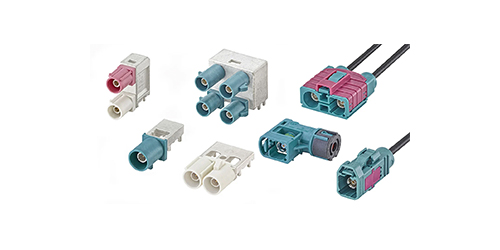
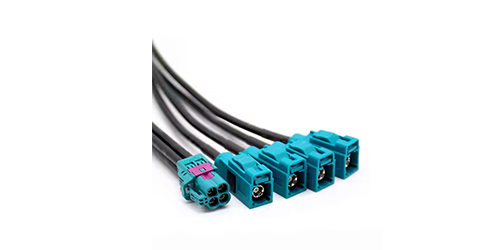
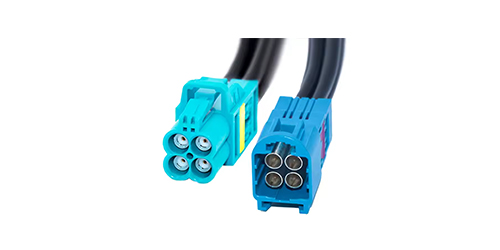
FAKRA connectors are automotive-specific SMB-derived coaxial connectors with a plastic snap-lock structure, exclusive color-coding and keying systems, and vibration-resistant design. Developed specifically for vehicle operating environments, FAKRA connectors feature audible and tactile click locking to prevent loose connections caused by long-term road vibration, impact, and temperature changes. They are widely standardized in modern automotive electronic systems for GPS, telematics, infotainment, and ADAS wireless modules.
The SMA FAKRA antenna jumper perfectly integrates the versatility of SMA connectors and the environmental adaptability of FAKRA connectors, enabling free conversion between universal RF equipment and vehicle antenna systems. It effectively eliminates signal disconnection, interface mismatch, and installation obstacle problems in wireless system integration, becoming an indispensable accessory for automotive modification and industrial RF deployment.
2. Core Technical Specifications of SMA FAKRA Antenna Jumper
High-performance SMA FAKRA antenna jumpers rely on standardized technical parameters to ensure consistent RF performance and compatibility. All professional-grade products follow 50Ω impedance matching (the universal standard for wireless communication), with precise structural design and high-quality material selection. Below are the key technical specifications that determine jumper performance:
2.1 Impedance & Frequency Range
Nearly all commercial SMA FAKRA antenna jumpers adopt 50 ohm characteristic impedance, which matches the impedance of mainstream wireless devices such as GPS modules, 4G/5G modems, WiFi routers, and automotive navigation hosts. Strict impedance control minimizes signal reflection and standing wave loss during transmission. The effective working frequency range covers 800MHz to 3GHz, fully compatible with GPS L1/L2, GLONASS, Beidou satellite navigation signals, 4G LTE, 5G sub-6GHz, 2.4G/5.8G WiFi, and automotive radio frequency signals, meeting most civilian and industrial wireless communication needs.
2.2 Cable Material & Structure
The mainstream cable types for SMA FAKRA jumpers are RG174 and RG316 coaxial cables, two classic low-loss flexible RF cables. RG174 is lightweight, highly flexible, and cost-effective, suitable for conventional indoor and vehicle wiring scenarios with low signal loss requirements. RG316 adopts high-temperature resistant FEP insulation and double-layer shielding structure, featuring better high-frequency stability, anti-aging performance, and low attenuation, ideal for high-temperature vehicle engine compartments and long-term continuous working industrial environments.
High-quality jumpers adopt double-layer copper braided shielding (95%+ braiding density) plus aluminum foil wrapping, which effectively shields external electromagnetic interference from vehicle circuits, power equipment, and industrial machinery, ensuring pure and stable signal transmission without distortion or fluctuation.
2.3 Connector Types & Keying Standards
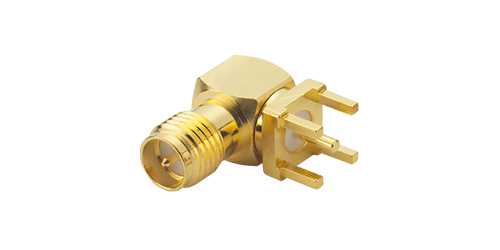
SMA ends are divided into SMA male (plug) and SMA female (jack), with straight and right-angle (90-degree) optional styles for different installation space requirements. FAKRA ends follow the official color-coded keying system to avoid wrong insertion of different frequency signals: FAKRA Z (blue) for GPS, FAKRA C (black) for 4G/LTE, FAKRA D for WiFi, and FAKRA E for automotive radio systems. Regular SMA FAKRA antenna jumpers mainly support FAKRA Z and FAKRA C types, the most commonly used specifications for vehicle navigation and cellular network antennas.
2.4 Size & Environmental Resistance
Common jumper lengths include 10cm, 15cm, 20cm, 30cm, 50cm, and customized lengths, covering short-distance transition and medium-distance wiring needs. The outer sheath uses PVC or FEP flame-retardant materials, with excellent wear resistance, corrosion resistance, and low-temperature flexibility. Professional automotive-grade jumpers support a working temperature range of -40℃ to +85℃, adapting to extreme temperature changes in vehicle interior and outdoor industrial environments, without cracking, aging, or signal attenuation degradation.

3. Key Advantages of SMA FAKRA Antenna Jumper
Compared with ordinary antenna extension cables and generic adapter connectors, professional SMA FAKRA antenna jumpers have unique advantages in compatibility, stability, durability, and installation flexibility, which are also the core reasons for their wide market recognition.
3.1 Perfect Interface Compatibility
Most aftermarket wireless modules (4G/5G communication modules, GPS positioning modules, external WiFi antennas) use standard SMA interfaces, while original vehicle antennas uniformly adopt FAKRA interfaces. The SMA FAKRA jumper completely solves the compatibility barrier between original vehicle antenna systems and aftermarket modified equipment. It supports plug-and-play connection without welding, wiring modification, or professional debugging, greatly reducing the difficulty of vehicle antenna upgrade and equipment transformation.
3.2 Ultra-Low Signal Loss & Anti-Interference
Thanks to precise 50Ω impedance matching and double-layer shielding structure, the signal attenuation of qualified SMA FAKRA jumpers is controlled within an extremely low range. Even after long-distance wiring and vehicle vibration, the RF signal can maintain high-fidelity transmission, effectively avoiding common problems such as weak GPS positioning signal, slow 4G/5G network speed, WiFi disconnection, and inaccurate navigation positioning caused by poor connection. The anti-electromagnetic interference design also resists signal noise generated by vehicle engine circuits, car chargers, and on-board electrical equipment, ensuring stable wireless operation in complex electromagnetic environments.
3.3 Automotive-Grade Vibration & Weather Resistance
Different from ordinary consumer-grade antenna cables, SMA FAKRA antenna jumpers optimized for vehicle scenarios adopt FAKRA snap-lock structure and reinforced cable bending resistance. The FAKRA connector can be firmly locked after insertion, with anti-loosening and anti-drop functions, adapting to long-term bumpy vibration during vehicle driving. The high-temperature and low-temperature resistant cable material will not harden or break in cold winter or hot car interior environments, ensuring long-term stable service life and reducing frequent replacement costs.
3.4 Flexible Installation & Wide Applicability
The flexible coaxial cable body supports arbitrary bending and routing, suitable for narrow installation spaces such as vehicle instrument panels, door gaps, and equipment casings. Straight and right-angle connector options can meet different angle installation needs, avoiding connector damage caused by bending extrusion. Meanwhile, the unified frequency band and impedance standard make it compatible with almost all vehicle wireless modification and industrial RF small-scale deployment scenarios, with extremely high versatility.
4. Main Application Scenarios of SMA FAKRA Antenna Jumper
SMA FAKRA antenna jumpers are widely used in automotive electronic modification, industrial wireless communication, smart device assembly, and RF test debugging fields, covering most civilian and commercial low-to-medium frequency RF connection scenarios. The mainstream application scenarios are detailed as follows:
4.1 Automotive GPS & Navigation System Upgrade
This is the most common usage scenario of SMA FAKRA jumpers. Many original car navigation hosts have built-in FAKRA GPS antenna interfaces, while modified high-precision GPS modules, Beidou dual-mode positioning modules, and aftermarket navigation accessories use SMA interfaces. The SMA FAKRA jumper can quickly connect the original car FAKRA GPS antenna to the new SMA navigation module, realizing signal compatibility and upgrade. It effectively improves positioning accuracy, solves the problem of original vehicle weak GPS signal and slow positioning, and supports real-time accurate navigation for vehicles, trucks, and engineering machinery.
4.2 Vehicle 4G/5G & IoT Telematics Modification
With the popularization of vehicle networking technology, more vehicles are equipped with 4G LTE, 5G communication modules, and IoT telematics equipment. These wireless communication modules mostly adopt SMA antenna interfaces, while vehicle built-in cellular antennas use FAKRA C interfaces. The SMA FAKRA antenna jumper realizes the conversion connection between the two, ensuring stable reception of vehicle network signals, improving network speed and connection stability, and supporting vehicle networking data transmission, remote monitoring, and real-time cloud interaction functions.
4.3 Car WiFi & Bluetooth Antenna Expansion
Aftermarket car Android head units, car WiFi routers, and Bluetooth amplification devices usually use SMA external antenna interfaces. By using SMA FAKRA jumpers, users can reuse the original vehicle FAKRA WiFi/Bluetooth antennas, avoiding the need to install additional external antennas, keeping the vehicle interior wiring neat, and effectively improving vehicle wireless signal coverage and connection stability, reducing WiFi disconnection and Bluetooth stuttering during driving.
4.4 Industrial RF Equipment & Smart Hardware Deployment
In industrial scenarios, SMA FAKRA jumpers are used for RF signal connection of smart terminals, RFID equipment, wireless data transmission modules, and outdoor monitoring equipment. Some industrial mobile devices and outdoor wireless access points adopt vehicle-grade FAKRA antenna designs for vibration resistance and weather resistance, while internal circuit modules use SMA interfaces. The jumpers ensure stable signal transmission of industrial wireless equipment in complex working environments and improve equipment operation reliability.
4.5 RF Test & Equipment Debugging
In laboratory RF testing and equipment maintenance work, SMA FAKRA antenna jumpers are used as transitional connecting wires for signal analyzers, spectrum analyzers, and antenna test equipment. They are suitable for performance testing of various vehicle antennas and wireless modules, providing accurate signal transmission channels for equipment debugging, parameter calibration, and performance verification, ensuring the accuracy of test data.
5. How to Choose the Right SMA FAKRA Antenna Jumper? (Complete Buying Guide)
There are various specifications of SMA FAKRA antenna jumpers on the market, and improper selection will lead to signal loss, interface mismatch, short service life and other problems. To help users quickly select suitable products, we summarize the core selection criteria based on application scenarios and technical parameters:
5.1 Confirm Connector Gender & Keying Type
First, confirm the interface types of your device and antenna: distinguish SMA male/female and FAKRA male/female, and select matching jumper specifications. For GPS positioning systems, choose FAKRA Z blue keying jumpers; for 4G/5G cellular networks, choose FAKRA C black keying models. Do not mix different keying specifications, otherwise it will cause interface failure or signal crosstalk. For narrow installation spaces, prefer right-angle connectors to avoid cable bending damage.
5.2 Select Appropriate Cable Model & Length
For conventional vehicle interior wiring and short-distance connection (within 30cm), RG174 cable is cost-effective and fully meets signal transmission requirements. For high-temperature environments such as engine compartments and long-term continuous working industrial equipment, prioritize RG316 high-temperature resistant low-loss cables to ensure long-term stability. In terms of length, follow the principle of "shortest wiring possible": too long a jumper will increase signal attenuation, while too short will cause installation tension and connector looseness. Reserve a small margin according to the actual wiring distance.
5.3 Check Shielding Performance & Material Quality
High-quality SMA FAKRA jumpers must have double-layer shielding (aluminum foil + copper braid) with a braiding density of more than 95%. The connector shell should be made of high-precision copper-plated gold material, with good conductivity and oxidation resistance, avoiding poor contact caused by long-term oxidation. The cable sheath should be flexible and wear-resistant, without peculiar smell or brittle texture, ensuring adaptability to complex installation environments.
5.4 Focus on Environmental Adaptability Grade
For vehicle outdoor and high-low temperature alternating environments, must chooseautomotive-grade jumpers with a temperature resistance range of -40℃ to 85℃. For indoor ordinary equipment, conventional commercial-grade products can meet the demand. Avoid using low-quality consumer-grade cables for vehicle modification, which are prone to aging and signal failure after high temperature and vibration.
6. Installation & Usage Notes for SMA FAKRA Antenna Jumper
Correct installation and usage can maximize the performance of SMA FAKRA antenna jumpers and extend their service life. The following professional operation suggestions apply to all vehicle and industrial installation scenarios:
First, power off the equipment before installation to avoid short circuit and signal module damage caused by live operation. Clean the connector contacts to remove dust, oil and oxide impurities, ensuring good contact conductivity. Align the FAKRA connector keying position when inserting, push firmly until a "click" sound is heard to confirm complete locking; for SMA threaded connectors, screw them tightly clockwise to avoid virtual connection, but do not over-tighten to prevent thread damage.
During wiring, avoid excessive bending (the bending radius should not be less than 5 times the cable diameter), and do not squeeze or pull the cable violently. Try to keep the jumper away from vehicle power lines, engine ignition coils, and high-power electrical equipment to reduce electromagnetic interference. Fix the cable with cable ties to avoid swinging and friction during vehicle driving, preventing cable skin damage and internal wire breakage.
After installation, power on the equipment to test signal status: check GPS positioning speed, network signal strength, and wireless connection stability. If signal attenuation is found, check whether the connector is loose, the wiring is squeezed, or the shielding layer is damaged. Regularly check the connector tightness and cable integrity during daily use, and replace aging and damaged jumpers in time to ensure long-term stable signal transmission.
7. Common FAQs About SMA FAKRA Antenna Jumper
To solve users' common doubts in the process of purchase and use, we sort out the most frequently asked questions and professional answers in the industry:
Q1: Will the SMA FAKRA jumper affect antenna signal strength?
Qualified high-precision SMA FAKRA antenna jumpers adopt 50Ω impedance matching and low-loss cable design, with extremely low signal attenuation, which will not affect normal antenna signal transmission. Only inferior products with unqualified impedance and poor shielding will cause obvious signal loss and interference. Choosing regular automotive-grade low-loss jumpers can ensure negligible signal impact.
Q2: Can one jumper be used for both GPS and 4G signals?
No. GPS and 4G signals correspond to different FAKRA keying standards and frequency bands. FAKRA Z is dedicated to GPS satellite signals, and FAKRA C is dedicated to 4G cellular signals. Mixed use will cause signal crosstalk and poor reception. It is necessary to select corresponding keying jumpers according to different signal types.
Q3: What is the service life of an automotive-grade SMA FAKRA jumper?
High-quality automotive-grade jumpers have anti-aging, anti-vibration and high-low temperature resistance properties, with a service life of more than 5 years in conventional vehicle environments. Regular inspection and standardized wiring can further extend the service life.
Q4: Are right-angle SMA connectors better than straight ones?
There is no difference in signal performance between the two. Straight connectors are suitable for open and straight wiring scenarios, while right-angle connectors are designed for narrow spaces and corner wiring, which can avoid cable bending damage. Users can choose according to the actual installation space.
TheSMA FAKRA antenna jumper is an essential basic accessory for modern automotive wireless modification and industrial RF signal conversion. It solves the core pain point of interface incompatibility between SMA universal equipment and FAKRA automotive antennas, and provides stable, low-loss, anti-interference signal transmission guarantee through professional structural design and material technology. Whether it is upgrading vehicle GPS navigation, optimizing 4G/5G vehicle network signals, expanding wireless antenna equipment, or industrial RF debugging and deployment, high-quality SMA FAKRA jumpers can bring reliable connection effects.
When purchasing and using, users should focus on core parameters such as impedance matching, keying type, cable material, and shielding performance, and select automotive-grade low-loss products that meet the scenario requirements, and standardize installation and maintenance. A qualified SMA FAKRA antenna jumper can not only improve the stability and accuracy of wireless signals, but also reduce equipment failure rates and later maintenance costs, becoming an indispensable reliable partner in RF connection systems.
Lucy Yang | lucy.y@toxutech.com
Dotty Zhao | sales04@toxutech.com
Global Business Director / Sales Team / Global Operations


 En
 Cn
 Korean
 Home >
