

-
Products -PCBA Manufacturing RF Connectors RF Cable Assemblys Embedded Antennas External Antennas GNSS Positioning Solutions
RF Connectors

RF Cable Assemblys
Embedded Antennas
External Antennas
GNSS Positioning Solutions
 Language


Language


Time:2026-10-17 Views:0
Transitioning from electronics prototype to production is the most critical phase of electronic product development for hardware startups, OEMs, and product designers worldwide. Many innovative electronic devices fail to reach market success not due to flawed prototypes, but because of a disjointed, unoptimized prototype-to-production manufacturing process. A functional breadboard or lab prototype does not always translate to scalable, cost-effective, and reliable mass production. Mastering the end-to-end electronics manufacturing transition from prototype to mass production eliminates costly design flaws, reduces manufacturing lead times, improves product quality consistency, and scales production efficiently to meet market demand.
This comprehensive guide covers every stage of prototype to production electronics manufacturing, including core development phases, design for manufacturing optimization, validation testing, mass production setup, quality control, and common pitfalls to avoid. Optimized for Google SEO, this article targets high-intent search queries such as “electronics prototype to mass production”, “PCB prototype to manufacturing transition”, “hardware product scaling process”, and “electronics manufacturing validation steps”, delivering actionable insights for engineers, product managers, and manufacturing partners.
What Is Prototype to Production Electronics Manufacturing?
Prototype to production electronics manufacturing refers to the end-to-end workflow of transforming a proof-of-concept (POC) electronic prototype into a fully validated, market-ready product manufactured at scale. Unlike one-off prototype development, which prioritizes functionality and rapid iteration, production-grade electronics manufacturing focuses on scalability, repeatability, cost optimization, regulatory compliance, and consistent quality control.
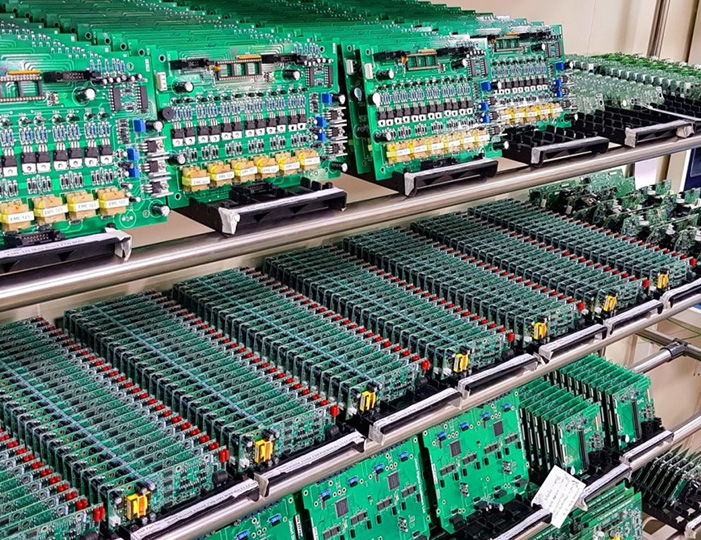
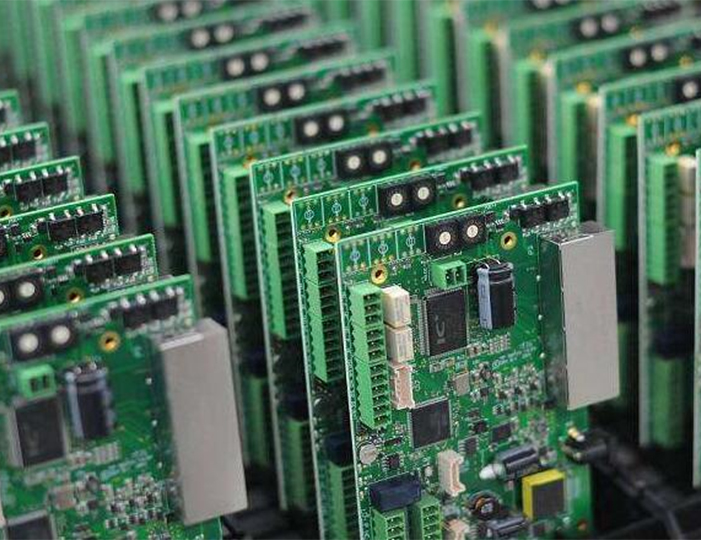
Electronic prototypes are typically built in small batches using flexible, manual, or semi-automated processes to test circuit functionality, form factor, and core features. Mass production, by contrast, relies on standardized automated manufacturing lines, qualified component suppliers, documented production workflows, and strict quality assurance protocols to produce hundreds, thousands, or millions of identical units.
The prototype-to-production transition is not a single step but a structured series of engineering, testing, and manufacturing gates. Skipping or rushing any phase leads to production yield issues, product failures, inflated manufacturing costs, and delayed product launches—common pain points for hardware startups and mid-sized electronics enterprises.
Core Stages of Electronics Prototype to Production Transition
A successful electronics manufacturing scaling process follows four foundational phases: prototype development, engineering validation, design validation, production validation, and full mass production ramp-up. Each stage includes specific testing, optimization, and documentation requirements to ensure seamless scaling.
1. Electronic Prototype Development (POC & Functional Prototyping)
The first stage of prototype to production electronics manufacturing focuses on verifying core product functionality before investing in production tooling and setup. This phase includes two key prototype types: proof-of-concept prototypes and functional prototypes.
Proof-of-Concept (POC) Prototypes: POC prototypes are basic, non-final builds designed solely to validate core electronic functionality. They use off-the-shelf components, breadboards, and flexible PCB layouts to test whether the circuit design, power management, and core features work as intended. POC builds prioritize speed over aesthetics, durability, or manufacturability, making them ideal for early-stage design iteration and feasibility testing.
Functional Prototypes: Functional prototypes refine the POC design into a form-factor-matched build that mirrors the final product’s electrical performance, size, and basic mechanical integration. Engineers design custom PCBs, select preliminary electronic components, and test core features under basic operating conditions. While functional prototypes work for internal testing and stakeholder reviews, they are not built for mass production—they often use hand-soldered components, non-standard assembly processes, and unoptimized layouts that cause low production yields at scale.
Key deliverables for this phase include finalized schematic designs, Gerber PCB files, component preliminary lists, and initial functionality test reports. These files serve as the foundation for all downstream manufacturing and validation steps.
2. Engineering Validation Testing (EVT) – Design Functionality Verification
Engineering Validation Testing (EVT) is the first formal gate in the prototype-to-production workflow, bridging lab prototypes and production-ready designs. EVT builds typically consist of 20 to 100 units manufactured with near-final components and PCB layouts to validate electrical performance, power efficiency, thermal management, and core feature reliability under real-world operating conditions.
The primary goal of EVT is to identify and resolve design-level flaws before scaling production. Common EVT testing procedures include electrical stress testing, power cycle testing, thermal load testing, and basic durability assessments. Engineers use EVT results to revise schematic designs, adjust component selections, and fix layout inefficiencies that would cause failures in mass production.
Critical EVT optimization focus areas include: component compatibility checks, power consumption tuning, circuit stability improvement, and elimination of design bottlenecks that increase assembly complexity. Completing EVT thoroughly prevents expensive design reworks during later production stages.
3. Design Validation Testing (DVT) – Full Product Compliance & Reliability
Design Validation Testing (DVT) moves beyond electrical functionality to validate the complete product design, including mechanical integration, environmental durability, regulatory compliance, and long-term reliability. Unlike EVT, DVT uses production-intent components, enclosures, and assembly processes to replicate final product specifications accurately.
DVT production runs typically include 50 to 200 units and take 6 to 8 weeks for full testing and validation. Comprehensive DVT testing covers environmental exposure (temperature, humidity, vibration, shock), electromagnetic compatibility (EMC/EMI), battery safety, ingress protection (IP rating), and lifecycle aging tests. For consumer, medical, or industrial electronics, DVT also verifies compliance with global standards such as FCC, CE, RoHS, and UL.
The key outcome of DVT is a fully locked, production-ready design. All design files, component specifications, and assembly workflows are finalized during this stage, with no further major design changes permitted to ensure production consistency. Teams also compile full design documentation, including bill of materials (BOM) revisions, design rules, and acceptance criteria for manufacturing.
4. Production Validation Testing (PVT) – Manufacturing Line Qualification
Production Validation Testing (PVT) is the final pre-mass-production gate, focused entirely on validating themanufacturing process rather than the product design itself. While EVT and DVT validate product performance, PVT confirms that the manufacturing facility, assembly lines, equipment, and workforce can produce consistent, high-quality units at scale.
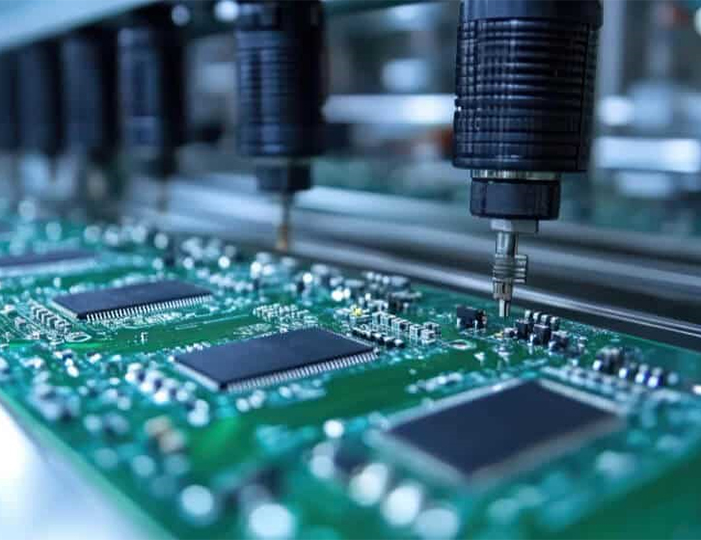
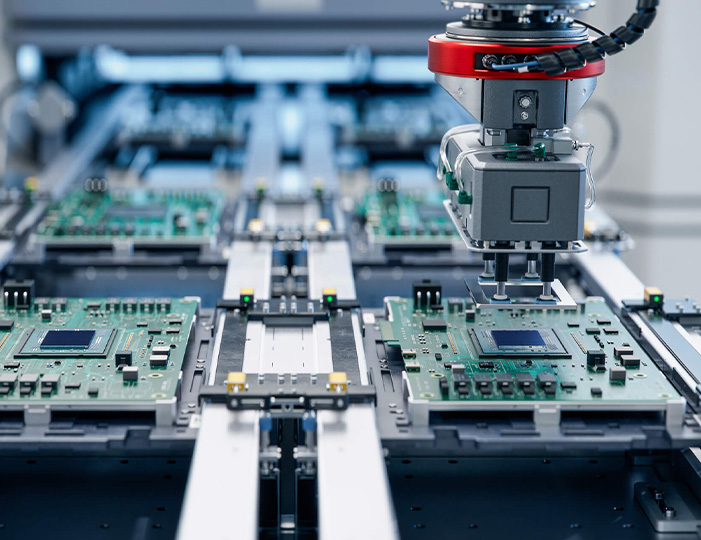
PVT runs use 5% to 10% of the planned initial production volume to test full assembly workflows, automated soldering, SMT placement, testing fixture accuracy, and production yield rates. Manufacturers conduct end-to-end process verification, including incoming material inspection, in-process quality checks, final functional testing, and packaging validation.
During PVT, teams identify process-level issues such as inconsistent solder quality, component placement errors, assembly line bottlenecks, or testing inaccuracies. All manufacturing workflows are standardized, documented, and optimized to achieve stable production yields (typically 95% or higher for mature electronics manufacturing).
Once PVT passes, the product and manufacturing line are fully qualified for full-scale mass production ramp-up.
5. Full Mass Production Ramp-Up & Continuous Optimization
After successful PVT validation, the project transitions to full mass production. This stage involves scaling production volume to meet market demand, implementing ongoing quality control, supply chain management, and continuous process optimization. Key activities include bulk component sourcing, scheduled production runs, batch quality auditing, traceability management, and post-production failure analysis.
Unlike prototype builds, mass production requires strict adherence to approved vendor lists (AVL), standardized manufacturing protocols, and lot traceability systems. Every production batch includes inspection records, compliance certificates, and process documentation to support quality audits, regulatory checks, and customer requirements.
Design for Manufacturing (DFM): The Key to Smooth Prototype-to-Production Scaling
The biggest gap between prototype development and mass production is the lack of Design for Manufacturing (DFM) optimization. Most electronic prototypes are designed for functionality, not manufacturability—resulting in complex layouts, hard-to-assemble components, and high production costs. DFM optimization is the core practice that bridges this gap, ensuring designs are compatible with automated manufacturing processes.
Professional electronics manufacturers implement strict DFM rules during the late prototype and EVT phases to eliminate production barriers. Key DFM optimization steps for electronics products include:
1. PCB Layout DFM Optimization
Prototype PCBs often feature irregular trace spacing, small component footprints, and unoptimized layer layouts that fail in high-volume SMT assembly. DFM optimization standardizes PCB layouts to match manufacturing equipment capabilities, including consistent trace width, clear solder mask spacing, optimized pad sizes, and streamlined component placement. This reduces assembly errors, improves solder quality, and boosts production yields significantly.
2. Bill of Materials (BOM) Rationalization
Early prototype BOMs often include obsolete components, long-lead parts, or overly specialized components that are expensive and hard to source in bulk. BOM rationalization replaces high-risk components with industry-standard, widely available alternatives, reduces component variety to simplify inventory management, and verifies component lifecycle status to avoid mid-production part obsolescence. Manufacturers also establish approved vendor lists (AVL) to ensure consistent component quality and supply stability.
3. Simplify Assembly Workflows
Manual prototype assembly tolerates complex, multi-step placement and custom wiring that is inefficient for automated production. DFM optimization simplifies assembly by reducing manual steps, minimizing through-hole components in favor of SMT parts, and eliminating overlapping or obstructed component placements. This cuts assembly time, reduces labor costs, and lowers human error rates in mass production.
4. Standardize Tolerances & Specifications
Prototype designs often use loose or custom tolerances that are difficult to replicate consistently in mass production. DFM aligns all mechanical and electrical tolerances with industry manufacturing standards, ensuring every unit produced meets identical performance and dimensional specifications. Standardized tolerances also simplify quality inspection and reduce product rejection rates.
Key Quality Control Protocols for Production-Grade Electronics
Consistent quality control is the backbone of reliable prototype-to-production electronics manufacturing. Prototype testing is sporadic and focused on individual unit functionality, while mass production requires systematic, batch-level quality assurance at every production stage. The three core quality control stages include incoming material inspection, in-process quality control, and final product testing.
1. Incoming Material Quality Inspection
All raw materials and components (PCBs, ICs, resistors, capacitors, connectors) are inspected before entering the production line. Inspectors verify component authenticity, dimensional accuracy, electrical specifications, batch consistency, and compliance with project requirements. Faulty or non-conforming materials are rejected immediately to prevent defective unit production downstream.
2. In-Process Quality Control (IPQC)
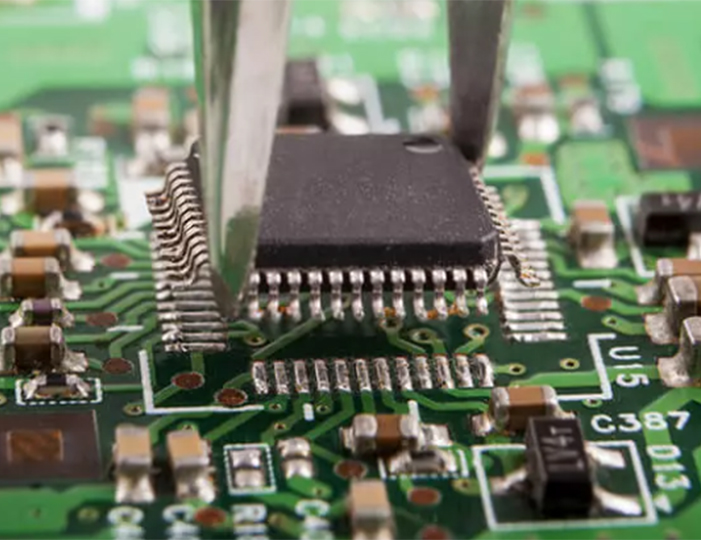
IPQC conducts real-time inspections at critical manufacturing steps, including solder paste printing, SMT component placement, reflow soldering, and wave soldering. Automated optical inspection (AOI) machines and manual audits detect solder bridges, missing components, misaligned parts, and soldering defects early. In-process checks prevent mass defective production and reduce rework costs.
3. Final Functional & Reliability Testing
Every finished electronic unit undergoes full functional testing to verify electrical performance, feature functionality, power stability, and connectivity. Random batch sampling is also performed for reliability stress testing, aging testing, and environmental validation. All test data is recorded and stored for full production traceability, supporting warranty management and quality audits.
Common Prototype-to-Production Manufacturing Challenges & Solutions
Most electronics scaling failures stem from predictable, avoidable challenges during the prototype-to-production transition. Below are the most common issues faced by hardware developers and manufacturing teams, along with proven solutions to ensure smooth scaling.
1. Design Scalability Gaps
Challenge: Functional prototypes rely on custom or low-volume components and non-standard layouts that cannot be replicated cost-effectively in mass production. Many designers prioritize prototype speed over scalability, leading to full design reworks during production ramp-up.
Solution: Integrate DFM optimization from the late prototype stage, conduct EVT/DVT validation with production-intent components, and lock all design specifications before PVT. Work with professional electronics manufacturers early to identify scalability gaps and adjust designs accordingly.
2. Supply Chain Instability & Component Shortages
Challenge: Prototype component sourcing uses small-batch distributors, while mass production requires stable bulk supply chains. Long-lead components, part obsolescence, and price fluctuations often delay production ramp-up.
Solution: Rationalize BOMs with alternative component options, establish long-term supplier partnerships, build approved vendor lists (AVL), and conduct regular component lifecycle audits. Reserve bulk component inventory ahead of mass production ramp-up to avoid supply delays.
3. Low Production Yield Rates
Challenge: Unoptimized PCB layouts, complex assembly processes, and untested production workflows result in low yield rates during initial mass production, increasing production costs and waste.
Solution: Complete rigorous PVT testing to refine assembly workflows, implement full DFM optimization, and deploy automated inspection equipment. Analyze all defective units during early production runs to resolve root causes quickly and improve yield rates continuously.
4. Lack of Regulatory Compliance Documentation
Challenge: Prototype builds do not require formal compliance certification, but mass-market electronics need complete regulatory documentation (FCC, CE, RoHS, UL) for market launch. Missing certifications cause launch delays and market access barriers.
Solution: Integrate compliance testing into the DVT phase, compile full product documentation throughout the validation process, and partner with certified manufacturing facilities that meet international electronics manufacturing standards.
5. Inconsistent Product Quality Across Batches
Challenge: Manual prototype assembly leads to variable build quality, and unstandardized production workflows cause inconsistent unit performance across mass production batches.
Solution: Standardize all manufacturing and testing workflows, implement full process documentation, deploy automated production and testing equipment, and enforce batch-level quality auditing and traceability systems.
Turnkey vs Consigned Manufacturing: Choosing the Right Production Model
When transitioning from prototype to production, electronics product teams must select a manufacturing model that aligns with their project scale, budget, and resource capabilities. The two primary models are turnkey manufacturing and consigned manufacturing, with a hybrid option for flexible project needs.
1. Turnkey Electronics Manufacturing
Turnkey manufacturing is a full-service model where the manufacturer handles the entire production process, including component sourcing, PCB production, assembly, testing, packaging, and shipping. This model is ideal for startups and small teams with limited supply chain and manufacturing resources. Turnkey manufacturing streamlines the prototype-to-production transition, reduces project management workload, and ensures consistent quality through end-to-end process control.
2. Consigned Manufacturing
Consigned manufacturing requires the product owner to source and supply all raw materials and components to the manufacturing facility, which only provides assembly, testing, and production services. This model suits large enterprises with established supply chains, strict component control requirements, or custom proprietary components. Consigned manufacturing offers maximum supply chain control but increases internal project management workload.
3. Hybrid Manufacturing Model
The hybrid model combines turnkey and consigned advantages: the manufacturer sources standard components, while the product owner supplies custom or proprietary parts. This flexible approach balances cost efficiency, supply chain control, and project simplicity, making it the most popular option for mid-scale electronics product scaling.
Why Professional Prototype-to-Production Manufacturing Matters
Many hardware teams attempt to transition from prototype to mass production with in-house teams or low-volume prototype manufacturers, only to face costly delays, quality issues, and failed market launches. Professional electronics manufacturing partners bring specialized expertise in DFM optimization, standardized validation workflows, supply chain management, and mass production quality control that in-house teams cannot replicate.
Professional manufacturers streamline every stage of the transition: they refine prototype designs for scalability, conduct standardized EVT/DVT/PVT validation, optimize BOMs for cost and supply stability, implement automated production lines, and maintain full compliance and traceability documentation. This reduces time-to-market by 30–50%, cuts production costs through process optimization, and ensures consistent product quality for global market distribution.
Additionally, experienced manufacturing partners support long-term product iteration, post-production failure analysis, and volume scaling, enabling products to adapt to market demand and industry standard updates throughout their lifecycle.
Frequently Asked Questions (FAQ) – Prototype to Production Electronics Manufacturing
1. How long does it take to transition from electronics prototype to mass production?
The full prototype-to-production timeline ranges from 3 to 6 months for simple electronic products and 6 to 12 months for complex industrial, medical, or IoT devices. The timeline includes prototype refinement, EVT/DVT/PVT validation, DFM optimization, compliance certification, and production ramp-up. Rushing validation stages is the primary cause of post-production failures.
2. What is the difference between EVT, DVT, and PVT?
EVT validates electrical functionality and core design performance; DVT validates full product reliability, mechanical integration, and regulatory compliance; PVT validates manufacturing process stability and mass production feasibility. All three gates are mandatory for reliable production scaling.
3. Why do prototypes fail in mass production?
Most prototype failures in mass production result from missing DFM optimization, unvalidated design flaws, unstable component supply chains, and unstandardized assembly processes. Prototypes are built for functionality, while mass production requires scalability, repeatability, and cost efficiency.
4. What is DFM in electronics manufacturing?
Design for Manufacturing (DFM) is a set of design rules and optimization practices that modify electronic prototype designs to be compatible with automated high-volume manufacturing. DFM optimizes PCB layouts, component selection, and assembly workflows to improve yield, reduce costs, and ensure production consistency.
5. Can I skip PVT testing for fast product launches?
Skipping PVT testing is extremely risky. PVT validates manufacturing line stability and process repeatability. Without PVT, mass production will face inconsistent quality, low yield rates, frequent assembly defects, and costly mass rework, ultimately delaying product launches far longer than completing formal PVT validation.
The prototype-to-production transition is the most transformative stage of electronic product development. It separates experimental lab prototypes from market-ready, scalable electronic products that deliver consistent performance, meet regulatory standards, and generate sustainable business growth. By following structured EVT, DVT, and PVT validation workflows, implementing rigorous DFM optimization, partnering with professional electronics manufacturers, and maintaining strict quality control protocols, hardware teams can eliminate scaling risks, reduce production costs, accelerate time-to-market, and launch high-quality electronic products successfully.
In the competitive global electronics industry, a smooth prototype-to-production manufacturing process is not just a technical requirement—it is a core competitive advantage that determines product longevity, market reputation, and business profitability.
Lucy Yang | lucy.y@toxutech.com
Dotty Zhao | sales04@toxutech.com
Global Business Director / Sales Team / Global Operations


 En
 Cn
 Korean
 Home >
