

-
Products -PCBA Manufacturing RF Connectors RF Cable Assemblys Embedded Antennas External Antennas GNSS Positioning Solutions
RF Connectors

RF Cable Assemblys
Embedded Antennas
External Antennas
GNSS Positioning Solutions


 Language


Language


Time:2026-10-17 Views:0
Electronic prototype production manufacturing is the core link connecting electronic product design and mass production, serving as an indispensable stage in the entire electronic product development lifecycle. In the fast-paced global electronics industry, rapid and high-quality electronic prototype manufacturing enables engineers, product developers, and enterprises to verify design feasibility, test functional performance, optimize structural defects, and reduce mass production risks before formal large-scale production. With the continuous upgrading of consumer electronics, industrial control equipment, automotive electronics, and smart wearable devices, the demand for high-precision, high-efficiency, and low-cost electronic prototype production has grown exponentially worldwide. This guide comprehensively elaborates on the definition, core processes, key technologies, types, application scenarios, quality control standards, common challenges, and future development trends of electronic prototype production manufacturing, providing professional and practical references for global electronic product developers, manufacturers, and procurement teams.
As a critical part of electronic product R&D, electronic prototype manufacturing focuses on converting schematic designs, PCB layout files, and structural drawings into physical electronic products. Unlike mass manufacturing that emphasizes batch efficiency and cost control, prototype production prioritizes design verification speed, precision accuracy, and customization flexibility. A qualified electronic prototype can accurately reflect the functional performance, structural rationality, compatibility, and stability of the final product, helping R&D teams identify design loopholes, circuit errors, component matching problems, and structural interference issues in the early stage, thereby avoiding huge economic losses caused by design defects in mass production. In the global competitive electronics market, efficient electronic prototype production capability has become a core competitiveness of electronic enterprises to shorten product iteration cycles and seize market opportunities.
1. What Is Electronic Prototype Production Manufacturing?
Electronic prototype production manufacturing refers to the customized processing, assembly, testing, and debugging of electronic product samples according to electronic design files (including PCB Gerber files, schematic diagrams, BOM lists, structural 3D files) and technical requirements. It is a small-batch, high-precision, customized manufacturing service covering the entire electronic product system, from single PCB board prototypes, component assembly prototypes to complete machine functional prototypes.
Electronic prototypes are the first physical realization of virtual electronic design solutions. The core purpose of prototype production is to verify design correctness, test product performance, optimize structural design, and confirm production feasibility. Different from formal mass production with fixed processes, standardized operations, and large batch output, electronic prototype manufacturing features small production volume, diverse customization requirements, flexible process adjustment, high precision requirements, and short delivery cycles. It is widely applicable to new product R&D, product iteration upgrading, functional testing, market demonstration, and certification testing of electronic products.
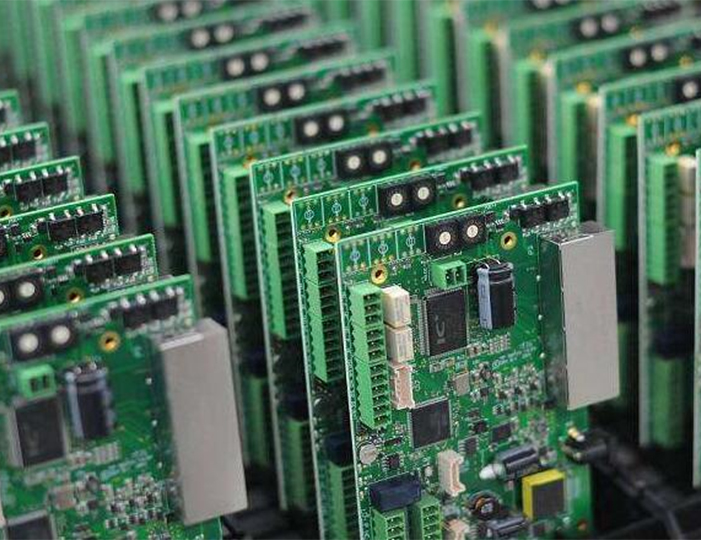
The scope of electronic prototype production covers almost all electronic product categories, including consumer electronics prototypes, industrial electronic equipment prototypes, automotive electronic prototypes, medical electronic device prototypes, smart home electronic prototypes, communication equipment prototypes, and aerospace electronic component prototypes. According to product forms, it can be divided into bare PCB prototypes, SMT assembly prototypes, plug-in assembly prototypes, and complete machine electronic prototypes with structural parts, batteries, and modules.
2. Core Classification of Electronic Prototype Production
To meet the diverse R&D and testing needs of different electronic products, electronic prototype production manufacturing can be classified from multiple dimensions, which helps enterprises select targeted prototype manufacturing solutions and improve R&D efficiency.
2.1 Classification by Production Stage & Purpose
2.1.1 Proof-of-Concept Prototype
The proof-of-concept prototype is the most preliminary electronic prototype, mainly used to verify the feasibility of the core circuit principle and functional logic of the product. This type of prototype does not pursue perfect structural appearance and complete functional integration, only focusing on whether the core technical indicators and functional design can be realized. It features simple production process, fast delivery, low cost, and is suitable for the initial technical verification of new electronic product solutions, helping R&D teams quickly eliminate unfeasible design schemes and adjust technical ideas in a timely manner.
2.1.2 Functional Prototype
The functional prototype is an upgraded version of the conceptual prototype, which completes the assembly and debugging of all core circuits and functional modules of the product. It can realize all preset core functions of the electronic product and accurately test key performance indicators such as circuit stability, signal transmission efficiency, power consumption, and response speed. Functional prototypes are the most widely used type in electronic R&D, which can fully verify the rationality of circuit design and component matching, and provide accurate data support for subsequent design optimization.
2.1.3 Structural Prototype
The structural prototype focuses on verifying the matching degree between electronic internal components and product structural parts, including the assembly size, interface matching, internal space layout, and heat dissipation structure rationality of PCBs, chips, batteries, and sensors. This type of prototype has complete structural appearance and internal layout, which can effectively solve structural interference, interface mismatch, and unreasonable space layout problems, laying a foundation for the integrated design of product appearance and performance.
2.1.4 Pre-Production Prototype
The pre-production prototype is the final prototype before mass production, which is completely manufactured in accordance with mass production processes, materials, and standards. Its product performance, structural technology, component selection, and assembly process are consistent with formal mass-produced products. Pre-production prototypes are mainly used for formal performance testing, aging testing, environmental adaptability testing, and market sample demonstration, and can also be used for product certification and factory inspection to ensure that the product fully meets mass production and market sales standards.
2.2 Classification by Manufacturing Process
2.2.1 PCB Bare Board Prototype Production
PCB bare board prototype production is the foundation of all electronic prototype manufacturing, referring to the processing and production of single/double-sided and multi-layer PCB boards according to Gerber files. The core processes include board cutting, inner layer circuit production, pressing, drilling, electroplating, outer layer circuit etching, solder mask printing, silk screen printing, and surface treatment. High-precision PCB prototype production requires strict control of line width, line spacing, hole diameter, and impedance parameters to ensure the electrical performance and stability of the circuit board.
2.2.2 SMT Patch Prototype Assembly
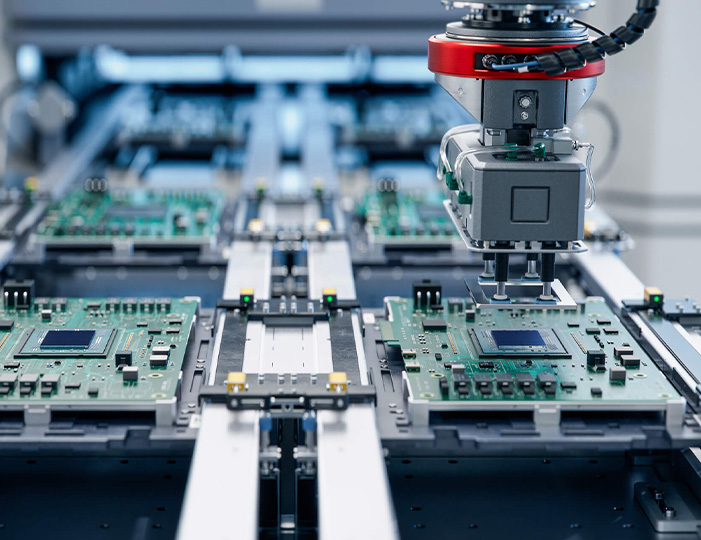
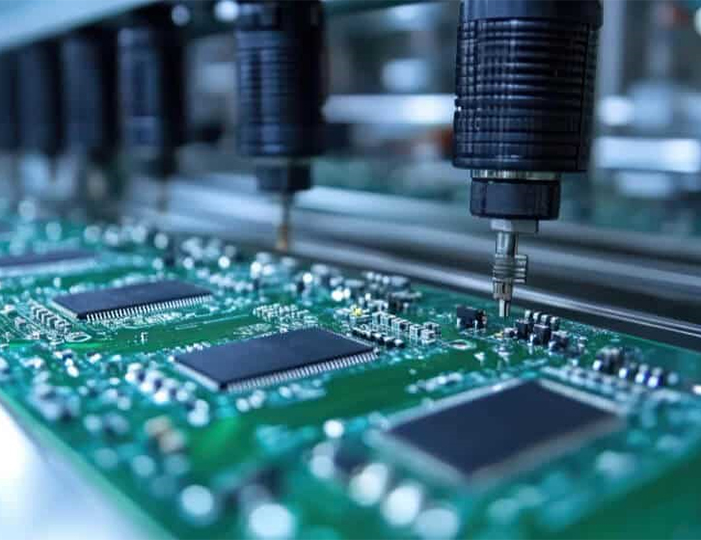
SMT prototype assembly is the mainstream process of modern electronic prototype production, which realizes the mounting, welding, and fixing of surface-mounted electronic components on PCB boards through automatic placement machines, reflow soldering, and testing equipment. SMT prototype production features high integration, small size, good electrical performance, and high automation, suitable for precision electronic products such as smart chips, wearable devices, and communication modules. It can effectively avoid the problems of large volume and poor anti-interference performance of traditional plug-in processes.
2.2.3 THT Plug-in Prototype Assembly
THT through-hole plug-in assembly is a traditional electronic prototype welding process, which inserts pin-type electronic components into PCB through holes and fixes them by wave soldering or manual welding. This process is suitable for large-volume components, high-power components, and electronic products with low integration requirements. It has the advantages of simple operation, convenient maintenance, and low production cost, and is still widely used in industrial control equipment, power electronic equipment, and other fields.
2.2.4 Mixed Assembly Prototype
Mixed assembly prototypes combine SMT patch and THT plug-in processes, which is the most common production method in current electronic prototype manufacturing. Most complex electronic products need to adopt mixed assembly: precision small-sized components use SMT patch technology to ensure integration and stability, while high-power, large-size, and plug-in special components use THT plug-in technology to meet product functional requirements. This process balances product performance, production cost, and manufacturing difficulty, and is suitable for most consumer electronics and industrial electronic prototypes.
3. Complete Workflow of Electronic Prototype Production Manufacturing
Standardized and standardized production workflow is the key to ensuring the quality and delivery efficiency of electronic prototypes. Formal electronic prototype manufacturing enterprises follow a complete closed-loop process from document confirmation to final delivery and after-sales debugging, covering 8 core links, which are detailed as follows:
3.1 Document Review & Technical Confirmation
The first step of electronic prototype production is to sort out and review customer design documents, including PCB Gerber files, schematic diagrams, BOM lists (component lists), 3D structural drawings, and technical requirement documents. Professional engineers will check the integrity, correctness, and process feasibility of the documents, verify whether the PCB design has process blind spots such as too small line width, too narrow spacing, and unreasonable hole position design, confirm the model, specification, and supply cycle of electronic components, and communicate with customers on special processes, surface treatment requirements, and testing standards. For design defects and process unfeasible points, engineers will put forward optimization suggestions in a timely manner to avoid rework in subsequent production.
3.2 Material Preparation & Component Procurement
After confirming the technical scheme, the production team will carry out raw material preparation and electronic component procurement. PCB substrate materials, copper foil, solder mask ink, and other base materials will be selected according to product performance requirements (high temperature resistance, high frequency resistance, insulation performance, etc.). For electronic components, according to the BOM list, original authentic components are purchased from formal channels to ensure component consistency and stability. For special components, imported components, and out-of-stock components, the procurement team will confirm the supply cycle and alternative models in advance, and feed back to customers to adjust the scheme if necessary, ensuring that the production progress is not affected by material problems.
3.3 PCB Board Processing & Production
PCB board processing is the core basic link of electronic prototype manufacturing. According to the confirmed Gerber files, the factory completes the whole process of PCB production: from substrate cutting, inner layer pattern transfer, etching, pressing, CNC drilling, hole metallization, outer layer circuit production, to solder mask coating, silk screen character printing, and surface treatment (gold plating, tin spraying, anti-oxidation, etc.). In the prototype production stage, high-precision processing equipment is used to control the error of line width, hole diameter, and board thickness within ±0.02mm to meet the precision requirements of high-end electronic products. After the PCB board is produced, the first inspection is carried out to detect short circuit, open circuit, and surface defects.
3.4 Component Mounting & Welding Assembly
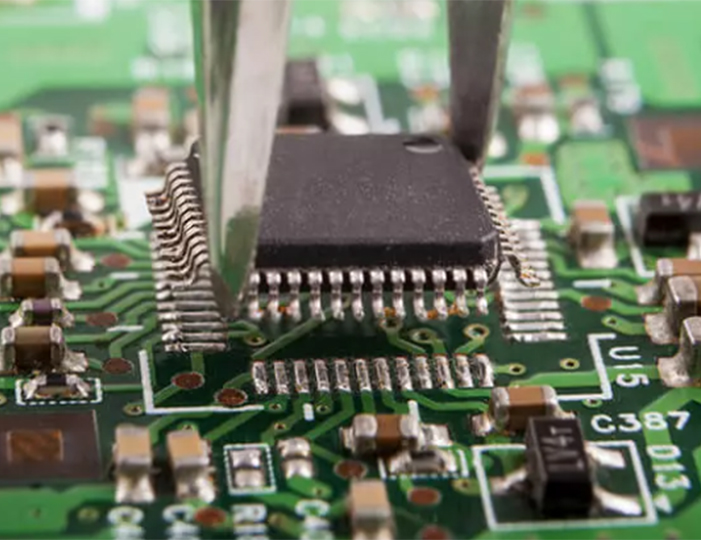
According to the product process requirements, SMT patch and THT plug-in assembly are carried out. For SMT patches, automatic solder paste printing, high-precision placement machine mounting, and reflow soldering are adopted to ensure the accurate alignment and firm welding of components. For plug-in components, manual precision plug-in or wave soldering is used according to component characteristics. In the assembly process, engineers strictly follow the anti-static operation specifications to avoid static damage to precision chips and sensitive electronic components. For complex multi-layer board prototypes and high-precision component assembly, full manual fine welding and inspection are carried out to ensure welding quality.
3.5 Initial Functional Debugging
After the completion of assembly welding, the technical team conducts preliminary power-on debugging and functional testing of the electronic prototype. The debugging content includes circuit power-on safety test, voltage and current parameter detection, core function realization test, signal transmission stability test, and module matching test. For abnormal problems such as no power-on, functional failure, signal delay, and module mismatch, engineers will quickly locate the fault point, check circuit welding, component installation, and design problems, and complete preliminary fault repair and debugging to ensure that the prototype can realize basic preset functions.
3.6 Professional Performance Testing & Quality Inspection
On the basis of preliminary debugging, comprehensive professional performance testing and quality inspection are carried out in accordance with industry standards and customer technical requirements. The testing items cover electrical performance testing (insulation resistance, withstand voltage, impedance, power consumption), environmental performance testing (high and low temperature resistance, humidity resistance, vibration resistance), stability aging testing (long-term power-on operation test), and precision parameter testing (signal accuracy, response speed). At the same time, the appearance quality, welding quality, and structural assembly accuracy of the prototype are inspected, and unqualified products are reworked and optimized again to ensure that all indicators meet the standard requirements.
3.7 Prototype Finishing & Document Sorting
After passing all tests and inspections, the electronic prototype is finished and sorted, including surface cleaning, solder joint trimming, structural assembly and fixing, and product labeling. At the same time, the production team sorts out all production and testing documents, including production process records, component procurement records, performance test reports, fault debugging records, and provides complete technical documents to customers, facilitating customers' subsequent product optimization, secondary development, and mass production scheme formulation.
3.8 Packaging Delivery & After-Sales Technical Support
The qualified electronic prototypes are packed with anti-static packaging, shockproof packaging, and moisture-proof packaging to avoid damage during transportation. After delivery, the professional technical team provides follow-up after-sales support, answers customers' questions about prototype use, testing, and performance optimization, and provides technical guidance for subsequent design iteration and mass production conversion, realizing one-stop service from prototype production to technical docking.
4. Key Core Technologies in Electronic Prototype Manufacturing
With the upgrading of electronic products towards high precision, high integration, high frequency, and miniaturization, electronic prototype production and manufacturing technology is also constantly iterating and upgrading. Mastering core manufacturing technologies is the key to improving prototype quality and meeting the R&D needs of high-end electronic products. The mainstream core technologies in the current industry include the following categories:
4.1 High-Precision Multi-Layer PCB Prototype Technology
Multi-layer PCB boards are widely used in high-end electronic products such as 5G communication equipment, automotive electronics, and industrial control mainboards. High-precision multi-layer PCB prototype technology realizes the lamination and integration of 4-layer, 6-layer, 8-layer and even more than 20-layer circuits, and realizes high-density circuit wiring through inner layer circuit design and precise pressing technology. This technology can effectively reduce the volume of electronic products, improve circuit integration and signal transmission efficiency, and reduce electromagnetic interference. In the prototype production process, precise layer alignment technology, impedance matching technology, and high-precision drilling technology are adopted to ensure the consistency and stability of multi-layer circuit conduction.
4.2 Ultra-Fine SMT Precision Assembly Technology
With the miniaturization of electronic components, 0201, 01005 ultra-micro components and BGA, QFN, CSP precision chip packaging technologies are widely used in prototype manufacturing. Ultra-fine SMT precision assembly technology adopts high-precision placement equipment with micron-level positioning accuracy, which can realize accurate mounting and welding of ultra-small components and fine-pitch pins. At the same time, through intelligent solder paste printing and optical detection technology, the welding defects of fine pins are effectively avoided, ensuring the welding yield and electrical performance of high-precision prototypes. This technology is the core guarantee for the prototype production of smart wearables, mobile electronic devices, and precision sensing equipment.
4.3 High-Frequency & High-Speed Circuit Prototype Technology
For communication electronics, radar equipment, and high-speed signal processing electronic products, high-frequency and high-speed circuit prototype technology is required. This technology adopts special high-frequency substrate materials, matching impedance design, and differential wiring technology, which can ensure the stability of high-frequency signal transmission, avoid signal attenuation, distortion, and crosstalk, and meet the high-speed operation requirements of 5G, radio frequency, and microwave electronic equipment. In the prototype production process, strict control of circuit wiring spacing, via design, and material selection is required to ensure the high-frequency electrical performance of the product.
4.4 Anti-Interference & EMC Optimization Prototype Technology
Electromagnetic compatibility (EMC) is an important indicator of electronic product stability. Anti-interference and EMC optimization prototype technology optimizes the circuit layout, grounding design, and shielding structure of electronic prototypes, effectively suppressing electromagnetic radiation and electromagnetic interference, and improving the anti-interference ability and environmental adaptability of products. This technology is widely used in medical electronic equipment, automotive electronics, and industrial automation equipment prototypes, helping products meet international EMC certification standards and market access requirements.
4.5 Low-Temperature & High-Temperature Resistant Prototype Manufacturing Technology
Industrial and aerospace electronic products need to adapt to extreme temperature environments. Low-temperature and high-temperature resistant prototype manufacturing technology selects high-temperature resistant substrates, low-temperature resistant components, and special welding materials, and optimizes the structural heat dissipation and cold resistance design of the prototype, ensuring that the product can work stably in the temperature range of -40℃ to 125℃. This technology solves the problems of circuit failure, component damage, and performance attenuation of electronic products in extreme environments, and provides reliable prototype verification for high-end industrial electronic products.
5. Main Application Scenarios of Electronic Prototype Production
Electronic prototype production manufacturing runs through the R&D, iteration, testing, and market promotion stages of all electronic products, covering multiple industries such as consumer electronics, industrial manufacturing, automotive electronics, medical devices, and smart equipment. The core application scenarios are as follows:
5.1 Consumer Electronics R&D & Iteration
Consumer electronics is the largest application field of electronic prototype manufacturing, including smart phones, tablets, smart watches, Bluetooth headsets, power banks, smart speakers, and household smart appliances. Consumer electronic products have fast iteration speed and diverse functional requirements. Prototype production can help enterprises quickly verify new functional designs, optimize product structure and power consumption, shorten product development cycles, and quickly launch new products to seize market share. At the same time, prototype testing can effectively improve product stability and user experience, reducing after-sales problems of mass-produced products.
5.2 Automotive Electronics Development & Testing
With the rapid development of new energy vehicles and intelligent driving, automotive electronic products such as vehicle control units, intelligent cockpit modules, ADAS driving assistance systems, and vehicle sensors have put forward higher requirements for precision and stability. Automotive electronic prototype production strictly follows automotive-grade AEC-Q certification standards, adopting high-temperature resistant, vibration-resistant, and high-reliability materials and processes. Through prototype verification, the safety, stability, and environmental adaptability of automotive electronic products are fully tested, ensuring that the products meet the strict safety standards of the automotive industry.
5.3 Medical Electronic Device Verification
Medical electronic devices such as portable detectors, monitoring equipment, and medical sensing instruments have extremely high requirements for product precision, stability, and safety. Medical-grade electronic prototype manufacturing adopts sterile, anti-corrosion, and high-reliability processes and materials, and conducts strict biological compatibility and stability tests on prototypes. Prototype verification can effectively eliminate potential safety hazards in product design, ensure that medical electronic products meet medical industry certification standards, and provide reliable technical support for clinical application.
5.4 Industrial Control & Automation Equipment
Industrial control electronic equipment such as PLC controllers, industrial touch screens, servo drive modules, and sensor control boards need to adapt to harsh industrial environments such as high temperature, high humidity, dust, and strong electromagnetic interference. Industrial electronic prototype production focuses on product stability, anti-interference ability, and long-term operation reliability. Through prototype performance testing and environmental simulation testing, the adaptability of products in industrial scenarios is verified, ensuring that the equipment can operate stably for a long time in industrial production environments.
5.5 Aerospace & High-End Communication Equipment
Aerospace electronic components and 5G/6G communication equipment belong to high-end precision electronic products, which require ultra-high precision, ultra-stability, and strong environmental adaptability. High-end electronic prototype manufacturing adopts military-grade production processes and testing standards, carrying out ultra-precision processing, assembly, and multi-dimensional performance testing of products. Prototype verification provides accurate data support for the R&D of high-end electronic equipment, ensuring the reliability and safety of products in extreme working environments such as high altitude, high pressure, and strong radiation.
6. Quality Control Standards & Key Inspection Indicators
Quality is the core foundation of electronic prototype production manufacturing. Qualified prototype manufacturers strictly follow international industry standards such as IPC (Institute for Printed Circuits) standards, ISO9001 quality management system, and RoHS environmental protection standards, and implement full-process quality control from raw material incoming inspection, production process monitoring to finished product testing, to ensure that each prototype meets high-precision and high-reliability requirements.
6.1 Raw Material Incoming Inspection Standards
All PCB substrates, electronic components, welding materials, and auxiliary materials must pass strict incoming inspection. PCB substrates need to meet the requirements of insulation performance, thickness uniformity, and thermal stability; electronic components must be original authentic products with complete parameter specifications and no aging or damage; welding materials such as solder paste and solder wire need to meet RoHS environmental protection standards, with good weldability and stability. Unqualified raw materials are strictly prohibited from entering the production link to eliminate quality risks from the source.
6.2 Production Process Quality Monitoring
In the PCB processing, component assembly, and welding links, real-time process monitoring is implemented. For PCB processing, key parameters such as line width error, hole position deviation, and pressing thickness are monitored; for SMT assembly, solder paste printing quality, component mounting offset, and reflow soldering temperature curve are strictly controlled; for manual welding, welding spot firmness, tin amount uniformity, and no virtual welding, missing welding, and continuous welding are ensured. Process engineers conduct random inspection and spot check at each stage to correct non-standard operations in a timely manner.
6.3 Finished Prototype Key Testing Indicators
The finished electronic prototype needs to pass comprehensive testing of electrical performance, structural performance, and environmental performance. The core testing indicators include: first, electrical performance indicators, including circuit conduction rate, voltage and current stability, signal transmission accuracy, insulation resistance, and withstand voltage performance; second, structural performance indicators, including assembly size accuracy, interface matching degree, and structural firmness; third, environmental adaptability indicators, including high and low temperature cycle resistance, humidity and heat resistance, vibration resistance, and drop resistance; fourth, reliability indicators, including long-term aging operation stability and fault-free working time. Only prototypes that meet all indicator standards can be delivered to customers.
6.4 Environmental Protection & Safety Compliance Standards
All electronic prototype production processes and finished products comply with international environmental protection and safety standards such as RoHS, REACH, and CE. No harmful substances such as lead, mercury, cadmium, and hexavalent chromium are used in the production process, and the finished products meet global environmental protection access standards. At the same time, the prototype power-on safety performance meets international electrical safety standards, avoiding short circuit, electric leakage, and fire hazards, ensuring the safety of product testing and use.
7. Common Challenges & Optimization Solutions in Electronic Prototype Manufacturing
In the actual electronic prototype production and manufacturing process, affected by design complexity, process difficulty, and component matching, various quality and efficiency problems are easy to occur. Summarizing common challenges and targeted optimization solutions can effectively improve the qualified rate and production efficiency of prototypes.
7.1 Common Production Challenges
7.1.1 Design Process Incompatibility
Some electronic design files have unreasonable parameter settings, such as too small PCB line width, too narrow line spacing, too small hole diameter, and unreasonable component layout, resulting in inability to process or low processing yield in prototype production, which is easy to cause short circuit, open circuit, and circuit failure problems.
7.1.2 Precision Component Welding Defects
For ultra-micro components and high-precision chip packaging, problems such as virtual welding, missing welding, tin bridging, and component offset are easy to occur in the welding process, resulting in prototype functional failure and unstable operation.
7.1.3 Signal Instability & Electromagnetic Interference
High-frequency and high-speed circuit prototypes are prone to signal attenuation, distortion, and crosstalk, and the product has poor anti-electromagnetic interference ability, resulting in unstable functional operation and failure to meet performance design standards.
7.1.4 Long Delivery Cycle of Special Components
For imported special components, customized chips, and out-of-stock electronic components, the procurement cycle is long, which easily delays the prototype production progress and affects the R&D cycle of the entire product.
7.2 Targeted Optimization Solutions
7.2.1 Pre-Production Document Optimization Review
Establish a professional pre-production review team, conduct secondary optimization and verification of customer design files, actively modify unreasonable process parameters, adjust circuit layout and hole position design, and provide customers with design optimization suggestions to ensure that the design scheme meets production process standards and avoid production rework caused by design defects.
7.2.2 Precision Welding Process Upgrade
Introduce high-precision SMT placement equipment and intelligent optical detection equipment, optimize the reflow soldering temperature curve, and adopt professional precision welding processes for BGA, QFN and other packaging chips. At the same time, strengthen the training of welding technicians, implement special personnel responsible for precision component welding, and improve the welding yield of high-precision prototypes.
7.2.3 EMC & Signal Optimization Design
Optimize the high-speed circuit wiring scheme, adopt differential wiring and impedance matching design, optimize the grounding system and shielding structure of the prototype, add filter circuits and shielding components reasonably, effectively suppress signal interference and electromagnetic radiation, and improve the signal stability and EMC performance of electronic prototypes.
7.2.4 Flexible Material Scheduling & Alternative Scheme Design
Establish a long-term cooperative component supply chain system, reserve conventional components in stock, and formulate alternative component schemes for special and out-of-stock components in advance. On the premise of ensuring product performance consistency, replace out-of-stock components with qualified alternative models to shorten the procurement cycle and ensure the timely delivery of prototypes.
8. Future Development Trends of Electronic Prototype Production Manufacturing
Driven by the rapid development of artificial intelligence, 5G/6G communication, Internet of Things, and intelligent manufacturing technology, electronic prototype production manufacturing is developing towards intelligence, high precision, rapid iteration, green environmental protection, and one-stop customization. The future industry development trends are mainly reflected in the following aspects:
8.1 Intelligent & Automated Production
With the popularization of industrial automation and AI intelligent technology, electronic prototype production will realize full-process intelligent operation from document analysis, material scheduling, production processing to quality detection. Intelligent systems can automatically identify design defects, optimize production processes, and adjust processing parameters; AI visual detection technology replaces manual inspection, realizing full-coverage and high-precision quality detection of prototypes, greatly improving production efficiency and product qualification rate, and reducing manual operation errors.
8.2 Ultra-High Precision & Miniaturization Manufacturing
Electronic products are continuously developing towards miniaturization, thinness, and high integration, which puts forward higher precision requirements for prototype manufacturing. In the future, electronic prototype production will realize micron and even sub-micron level processing precision, realize the production and assembly of ultra-fine circuits, ultra-micro components, and high-density packaging chips, and meet the R&D needs of high-end precision electronic products such as wearable devices, micro-sensors, and aerospace micro-electronic components.
8.3 Ultra-Fast Rapid Prototyping & Short-Cycle Delivery
In the fiercely competitive electronic product market, shortening the R&D iteration cycle is the core demand of enterprises. Future electronic prototype manufacturing will integrate rapid PCB processing, intelligent assembly, and batch testing technologies, realizing ultra-fast prototype production within 24 hours for conventional products and 48 hours for high-precision complex prototypes. The rapid prototyping mode will greatly shorten the product R&D cycle and help enterprises quickly respond to market changes.
8.4 Green & Environmental Protection Manufacturing
With the continuous improvement of global environmental protection standards, green and low-carbon manufacturing will become the mainstream of the electronic prototype industry. In the future, production enterprises will fully adopt RoHS-compliant environmental protection materials, low-pollution and low-energy-consumption production processes, realize the recycling of production waste materials, reduce industrial waste gas and wastewater discharge, and build a green and sustainable electronic prototype manufacturing system to meet the global environmental protection market access requirements.
8.5 One-Stop Customized Full-Service
The future electronic prototype manufacturing service will break the single processing mode, and develop into a one-stop full-service integrating design optimization, prototype production, performance testing, structural customization, small-batch trial production, and mass production docking. Professional manufacturers can provide customers with overall solutions from design verification to product trial production, reduce customer communication costs and resource input, and provide full-process technical support for electronic product R&D and listing.
9. How to Choose a Reliable Electronic Prototype Production Manufacturer
Choosing a professional and reliable electronic prototype production manufacturer is crucial to product R&D quality and progress. When selecting a supplier, enterprises need to comprehensively evaluate from the aspects of technical strength, production equipment, quality system, service capability, and project experience:
First, check the manufacturer's technical team and industry experience. Professional manufacturers have senior electronic engineers and process engineers, with rich experience in multi-industry prototype production, and can solve various complex technical problems in prototype R&D.
Second, verify production equipment and process capability. High-precision automatic PCB processing equipment, SMT placement equipment, and professional testing equipment are the hardware basis for ensuring prototype quality, which can meet the production needs of high-precision and complex electronic prototypes.
Third, confirm the quality management system and certification qualifications. Formal manufacturers have complete ISO9001 quality management system, IPC process certification, RoHS environmental protection certification, etc., with standardized production processes and strict quality inspection standards.
Fourth, evaluate service efficiency and after-sales support. Excellent manufacturers have a complete service process, fast response speed, short delivery cycle, and can provide professional pre-production technical consultation and after-sales debugging guidance to ensure smooth product R&D.
Fifth, refer to industry project cases and customer reputation. Manufacturers with rich successful cases in consumer electronics, automotive electronics, medical electronics and other industries have more reliable technical strength and service quality, and can provide stable and high-quality prototype manufacturing services.
Electronic prototype production manufacturing is an indispensable core link in the entire electronic product R&D and manufacturing chain, undertaking the important tasks of design verification, performance testing, defect optimization, and mass production risk control. With the continuous innovation of electronic technology and the continuous expansion of the global electronic product market, the importance of high-precision, high-efficiency, and customized electronic prototype manufacturing services will become more prominent. From conceptual prototype verification to pre-production prototype confirmation, from single PCB board processing to complete machine integrated assembly testing, standardized and professional prototype production processes and core manufacturing technologies can effectively help electronic enterprises shorten R&D cycles, reduce R&D costs, improve product quality, and enhance market competitiveness.
In the future, with the continuous integration of intelligent manufacturing, precision processing, and green environmental protection technologies, the electronic prototype production and manufacturing industry will usher in more standardized, intelligent, and efficient development. For global electronic product developers and manufacturing enterprises, choosing a professional and reliable prototype manufacturing partner is the key to realizing rapid product iteration and market breakthrough.
Lucy Yang | lucy.y@toxutech.com
Dotty Zhao | sales04@toxutech.com
Global Business Director / Sales Team / Global Operations


 En
 Cn
 Korean
 Home >
