

-
Products -PCBA Manufacturing RF Connectors RF Cable Assemblys Embedded Antennas External Antennas GNSS Positioning Solutions
RF Connectors

RF Cable Assemblys
Embedded Antennas
External Antennas
GNSS Positioning Solutions



 Language


Language


Time:2026-10-24 Views:0
An adhesive mount GPS antenna is one of the most versatile, user-friendly, and high-performance positioning accessories for modern navigation and tracking systems. Unlike bulky magnetic or screw-mount GPS antennas that require drilling, metal surfaces, or complex installation, adhesive mount GPS antennas utilize premium double-sided adhesive pads to deliver secure, low-profile, and tool-free mounting for both indoor and outdoor applications. Widely adopted in automotive navigation, fleet tracking, IoT devices, marine equipment, and portable positioning systems, these antennas have become the preferred choice for users seeking reliable GNSS signal reception without permanent surface damage or complicated setup. This comprehensive guide explores every detail of adhesive mount GPS antennas, including core working principles, key benefits, technical specifications, professional installation steps, application scenarios, maintenance tips, and frequently asked questions, fully optimized for Google search intent and industry user demands.
What Is an Adhesive Mount GPS Antenna?
An adhesive mount GPS antenna is a compact, passive or active GNSS antenna designed with an integrated industrial-grade adhesive base for fixed installation. It is engineered to receive high-precision GPS, GLONASS, Galileo, and BeiDou satellite signals, supporting global positioning and real-time tracking for various electronic devices. Different from traditional GPS antennas that rely on magnetic attraction or mechanical fasteners, the defining feature of this antenna is itsself-adhesive mounting system, which allows it to bond firmly to flat, clean surfaces including glass, plastic, metal, and smooth composite materials.
Most adhesive mount GPS antennas adopt a low-profile patch design, with a ultra-thin housing structure that avoids protruding and reduces wind resistance, making them ideal for concealed installation. The internal structure consists of a high-sensitivity antenna element, signal amplifier (for active models), shielding layer, weather-resistant shell, and strong adhesive pad. The integrated shielding layer effectively reduces electromagnetic interference from vehicle electronic systems, industrial equipment, and surrounding wireless devices, ensuring stable and accurate satellite signal reception even in complex signal environments.
Active adhesive mount GPS antennas are equipped with built-in low-noise amplifiers (LNA) to boost weak satellite signals, which is suitable for indoor installation, covered environments, and urban canyon scenarios with signal occlusion. Passive models feature a simpler structure, lower power consumption, and lower cost, perfect for open outdoor environments with sufficient satellite signal coverage. Both types support multi-band GNSS signal reception, meeting the high-precision positioning needs of civilian and commercial scenarios.
Key Benefits of Adhesive Mount GPS Antennas
Adhesive mount GPS antennas have gained widespread popularity across industries due to their unique structural design and practical performance advantages. Compared with magnetic mount, screw mount, and suction cup GPS antennas, they deliver unmatched convenience, durability, and applicability, with core benefits summarized as follows:
1. Tool-Free, Damage-Free Installation
The biggest advantage of an adhesive GPS antenna mount is its tool-free installation process. No drilling, no screws, no magnetic adsorption limitations, and no residual damage to the mounting surface. Users only need to clean the target surface, peel off the adhesive backing, and press the antenna firmly to complete the installation. This damage-free feature is particularly valuable for private vehicles, luxury equipment, and precision devices where surface integrity needs to be fully protected, avoiding paint scratching, hole drilling, or metal surface damage caused by traditional mounting methods.
2. Universal Surface Compatibility
Magnetic GPS antennas can only be fixed on ferromagnetic metal surfaces, while suction cup antennas are prone to falling off on rough or low-temperature surfaces. In contrast, adhesive mount GPS antennas adapt to almost all smooth and flat surfaces, including automotive glass, plastic dashboards, metal shells, ceramic surfaces, and engineering composite materials. Whether for in-vehicle concealed installation, indoor device fixing, or outdoor equipment mounting, the adhesive base can form a stable bond, breaking the surface limitation of traditional GPS antenna installation.
3. Low-Profile & Concealed Design
Most adhesive mount GPS antennas feature a slim, compact low-profile design with a height of only 10–15mm, which is unobtrusive and does not affect the overall appearance of vehicles or equipment. They can be easily installed in hidden positions such as under car dashboards, inside window glass, behind device shells, and on the top of miniature equipment, effectively avoiding external exposure, reducing wind resistance and artificial damage. The covert installation design also improves the safety of fleet tracking devices, preventing equipment loss or artificial shielding of positioning signals.
4. Excellent Weather Resistance & Durability
High-quality adhesive mount GPS antennas adopt industrial-grade waterproof, dustproof, and UV-resistant shell materials, with an IP67 or above protection level. They can work stably in extreme environments such as high temperature, low temperature, rain, snow, and strong sunlight, without aging, fading, or signal attenuation. The matched industrial double-sided adhesive pad features high temperature resistance, low temperature resistance, and strong viscosity, which can maintain stable bonding force in the temperature range of -40℃ to 85℃, avoiding falling off caused by vehicle vibration, outdoor wind and rain erosion, and temperature changes.
5. Stable Signal Reception & Anti-Interference Performance
Equipped with high-precision patch antenna elements and professional electromagnetic shielding layers, adhesive mount GPS antennas effectively filter out electromagnetic interference from car stereos, on-board computers, industrial control equipment, and surrounding wireless signals. Active models with LNA amplifiers can enhance weak satellite signals, improve satellite locking speed, and reduce positioning delay. Even in complex environments such as urban high-rise occlusion, forest shielding, and indoor semi-closed spaces, they can maintain continuous and accurate positioning signals, ensuring 24/7 stable operation of positioning systems.
6. Cost-Effective & Easy Maintenance
Adhesive mount GPS antennas have lower comprehensive costs than screw-mount and customized GPS antennas. They require no auxiliary installation tools or professional construction personnel, saving installation time and labor costs. In terms of maintenance, if the antenna needs to be replaced or adjusted, the old adhesive pad can be easily removed without leaving residual marks or damaging the equipment surface. Users can replace the adhesive pad independently to restore the fixing performance, greatly reducing later maintenance and replacement costs.
Core Technical Specifications of Premium Adhesive Mount GPS Antennas
To help users select the most suitable adhesive mount GPS antenna, it is essential to understand the core technical parameters that determine antenna performance. High-quality products in the industry have unified standard specifications, covering signal frequency, gain, impedance, working temperature, protection level, and adhesive performance:
Supported Frequency Bands: Compatible with global mainstream GNSS frequency bands, including GPS L1 (1575.42MHz), GLONASS G1 (1602MHz), Galileo E1 (1575.42MHz), and BeiDou B1 (1561.098MHz), supporting multi-system combined positioning to improve positioning accuracy and stability.
Antenna Gain: Active antenna gain ranges from 25dB to 30dB, passive antenna gain is 5dB to 10dB. High gain effectively enhances signal reception sensitivity, shortens satellite cold start time, and improves positioning response speed.
Impedance Matching: Standard 50Ω impedance, perfectly matching mainstream GNSS receivers and positioning equipment, avoiding signal reflection and loss, ensuring maximum signal transmission efficiency.
Working Temperature Range: -40℃ to 85℃, adapting to extreme cold in northern regions and high-temperature exposure in summer, suitable for global regional applications.
Waterproof & Dustproof Level: IP67 professional protection grade, fully waterproof and dustproof, adaptable to outdoor rainy days, foggy days, and dusty industrial environments.
Adhesive Pad Specification: Industrial acrylic double-sided adhesive, high viscosity, anti-aging, anti-yellowing, with strong adhesion to smooth surfaces; customized high-temperature resistant adhesive for vehicle high-temperature environments.
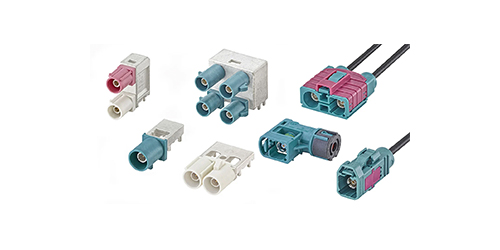
Cable & Connector: Equipped with low-loss coaxial cable, optional SMA, SMB, MCX, and FAKRA connectors, compatible with most vehicle navigation, fleet tracking, and IoT positioning devices.
Positioning Accuracy: Supports meter-level and sub-meter-level high-precision positioning, meeting the needs of civilian navigation, commercial tracking, and industrial precise positioning scenarios.
Step-by-Step Installation Guide for Adhesive Mount GPS Antenna
Standardized installation is the key to ensuring the maximum performance and long-term stability of an adhesive mount GPS antenna. Improper installation will lead to weak signal reception, antenna falling off, and inaccurate positioning. The following is a professional installation process summarized according to industry standards and manufacturer guidelines, suitable for all adhesive GPS antenna models:
Step 1: Select the Optimal Mounting Position
Choose a smooth, flat, dry, and signal-unobstructed mounting position. For vehicle installation, priority positions include the inner side of the front windshield, the smooth plastic area under the dashboard, and the inner side of the rear windshield. Avoid installing near metal barriers, heat dissipation equipment, and high-power electronic devices to prevent signal shielding and electromagnetic interference. For indoor and industrial equipment installation, select open areas away from metal shells and wireless signal transmitters to ensure unobstructed satellite signal reception.
Step 2: Clean and Dry the Mounting Surface
Use the matched alcohol cleaning cloth to thoroughly wipe the mounting surface to remove dust, oil stains, water stains, wax layers, and residual impurities. Grease and dust will seriously reduce the adhesion of the adhesive pad and cause the antenna to fall off. After cleaning, wait for the surface to be completely dry (about 1–2 minutes) to ensure no water vapor or residual solvent remains on the surface, providing a clean bonding base for the adhesive pad.
Step 3: Peel Off the Adhesive Backing
Gently tear off the protective backing paper of the antenna’s bottom adhesive pad, taking care not to touch the adhesive surface with your hands to avoid fingerprint contamination affecting adhesion. Do not remove the backing paper in advance to prevent the adhesive pad from absorbing dust in the air and reducing viscosity.
Step 4: Bond and Press the Antenna Firmly
Align the antenna with the pre-selected mounting position, place it flat on the surface, and apply even and strong pressure on the antenna body for 15–20 minutes. Sustained pressure helps the industrial adhesive pad fully fit the surface, eliminate air bubbles between the adhesive and the surface, and maximize the bonding force. Avoid shifting or moving the antenna during pressing to prevent uneven bonding.
Step 5: Fix the Cable and Complete Installation
After the antenna is firmly bonded, arrange the connecting cable neatly, fix the cable with cable ties or adhesive clips to avoid sagging and shaking, and prevent the cable from being squeezed and damaged by vehicle vibration or equipment operation. Connect the antenna connector to the GNSS receiver or positioning device, and check for firm connection without looseness.
Step 6: Static Curing and Signal Testing
After installation, let the adhesive stand for 24 hours for full curing to achieve the optimal adhesion effect. Within 24 hours, avoid pulling the antenna or vibrating the mounting surface. After curing, turn on the positioning device to test satellite signal reception, check the number of locked satellites, signal strength, and positioning accuracy, and confirm that the antenna works normally.
Main Application Scenarios of Adhesive Mount GPS Antennas
With its flexible installation, stable performance, and wide compatibility, the adhesive mount GPS antenna covers almost all civil and commercial GNSS positioning scenarios, becoming a standard accessory for positioning systems in multiple industries:
1. Automotive Navigation & Vehicle Tracking
Vehicle-mounted navigation systems and fleet GPS trackers are the largest application scenarios for adhesive mount GPS antennas. Traditional vehicle antennas are mostly magnetic-mounted and need to be adsorbed on the car roof, which affects the appearance and is easy to be stolen. Adhesive mount GPS antennas can be concealed and installed inside the car, with no damage to the car body and stable signal. They are widely used in private car navigation, online car-hailing positioning, logistics fleet tracking, engineering vehicle monitoring, and school bus positioning management, realizing real-time vehicle positioning, trajectory recording, and driving status monitoring.
2. IoT Smart Devices & Portable Positioning Equipment
With the rapid development of the Internet of Things, adhesive mount GPS antennas are widely embedded in various smart terminal devices, including smart wearable devices, portable locators, asset tracking terminals, and smart logistics equipment. The ultra-thin and compact design is easy to integrate into miniaturized equipment, and the adhesive fixing method is suitable for portable and mobile devices, solving the positioning needs of mobile IoT terminals.
3. Marine & Waterborne Equipment Positioning
Marine navigation equipment, yacht positioning systems, and waterborne monitoring equipment have high requirements for antenna waterproof performance and installation stability. Adhesive mount GPS antennas with IP67 waterproof grade can resist seawater erosion, humid air, and wave vibration. They can be fixed on the smooth surfaces of ship cabins and equipment shells, providing stable GNSS positioning signals for marine navigation and water traffic monitoring.
4. Industrial Equipment & Intelligent Machinery
Engineering machinery, automated AGV vehicles, intelligent robots, and industrial monitoring equipment need high-precision positioning support. Adhesive mount GPS antennas can be installed on the surface of industrial equipment without drilling damage, adapting to the high-vibration and dusty industrial working environment. The anti-interference design ensures stable positioning signals in complex industrial electromagnetic environments, supporting intelligent operation and automatic navigation of industrial equipment.
5. Aerospace & Special Vehicle Applications
Special vehicles such as drones, unmanned vehicles, and aviation model equipment have strict requirements on antenna volume, weight, and installation convenience. The lightweight and low-profile adhesive mount GPS antenna will not increase the load of the equipment, and the firm adhesive installation avoids antenna falling off during high-speed movement and vibration, providing accurate positioning data for the autonomous navigation and flight control of special equipment.

Adhesive Mount GPS Antenna Maintenance & Troubleshooting Tips
Scientific daily maintenance can effectively extend the service life of adhesive mount GPS antennas and maintain stable signal performance. Most signal failure and falling-off problems are caused by improper maintenance and installation errors. The following are practical maintenance and troubleshooting solutions:
Daily Maintenance Guidelines
Regularly check the antenna mounting status to ensure no warping, falling off, or displacement of the adhesive edge. Clean the antenna surface regularly with a dry soft cloth to remove dust and stains, avoiding the use of corrosive chemical cleaners to prevent shell aging and adhesive failure. Check the connecting cable regularly to avoid cable aging, breakage, and loose connectors. For outdoor installed antennas, check the adhesive firmness seasonally, and replace the adhesive pad in time if aging or viscosity decline is found.
Common Faults & Solutions
Fault 1: Slow satellite locking and weak signal
Solution: Check whether the installation position is blocked by metal or sheltered by buildings; confirm whether the antenna is close to interference equipment; re-clean the mounting surface and re-press the antenna to ensure tight fitting; replace the low-loss cable if the signal loss is serious.
Fault 2: Antenna adhesive falling off
Solution: Remove the old residual adhesive on the surface, thoroughly clean and dry the mounting position, replace a new industrial adhesive pad, and re-install and cure according to the standard process. Avoid installation in humid and low-temperature environments which affect adhesive curing.
Fault 3: Positioning deviation and signal drift
Solution: Check whether the antenna shielding layer is damaged and whether there is strong electromagnetic interference around; confirm that the antenna frequency band matches the positioning device; restart the positioning system to refresh satellite data, and adjust the installation position to avoid signal occlusion.
Fault 4: No signal output
Solution: Check whether the connector is loose or damaged; detect whether the cable is broken; confirm whether the antenna is damaged by external force or water ingress; replace the antenna or cable if the hardware is damaged.
FAQs About Adhesive Mount GPS Antenna
Q1: Are adhesive mount GPS antennas waterproof?
A: High-quality industrial-grade adhesive mount GPS antennas have an IP67 waterproof and dustproof rating, which can resist rain, snow, fog, and splashing water. They are suitable for outdoor and semi-outdoor environments. However, long-term immersion in deep water should be avoided to prevent internal circuit damage.
Q2: Will the adhesive pad damage the mounting surface after removal?
A: Premium acrylic adhesive pads are designed for residue-free removal. When replacing the antenna, the adhesive can be slowly peeled off without leaving marks, and no damage will be caused to glass, plastic, and metal surfaces. Low-quality adhesive may leave residual glue, which can be removed with alcohol cleaning agent.
Q3: What is the service life of an adhesive mount GPS antenna?
A: Under normal working environments, the service life of a standard adhesive mount GPS antenna is 3–5 years. The industrial-grade anti-aging shell and adhesive pad can resist long-term UV radiation and temperature changes, maintaining stable performance. Regular maintenance can further extend the service life.
Q4: Can adhesive GPS antennas work indoors?
A: Active adhesive mount GPS antennas with LNA amplifiers can receive weak satellite signals indoors, under glass, and in semi-closed spaces, realizing normal positioning. Passive antennas are suitable for open outdoor environments and have poor indoor signal reception effect.
Q5: Is the adhesive mount GPS antenna compatible with all positioning devices?
A: Most adhesive mount GPS antennas support mainstream GNSS frequency bands and are equipped with universal SMA/MCX/FAKRA connectors, compatible with vehicle navigation, trackers, IoT positioning terminals, and industrial GNSS receivers of most brands.
As a practical, efficient, and cost-effective positioning accessory, the adhesive mount GPS antenna has completely changed the traditional installation mode of GPS antennas with its damage-free installation, wide surface compatibility, low-profile concealment, and stable signal performance. It solves the pain points of complicated installation, surface damage, single application scenario, and unstable signal of traditional antennas, and is widely recognized and applied in automotive, IoT, marine, industrial, and special equipment fields.
Whether you need to replace an old vehicle GPS antenna, configure positioning accessories for fleet management, or develop embedded positioning terminals for IoT devices, a high-quality adhesive mount GPS antenna can provide reliable long-term positioning support. By selecting standardized industrial-grade products and installing and maintaining them in accordance with professional specifications, users can maximize the antenna’s signal performance, ensure 24/7 stable and accurate GNSS positioning, and create stable technical support for various navigation and tracking systems.
Lucy Yang | lucy.y@toxutech.com
Dotty Zhao | sales04@toxutech.com
Global Business Director / Sales Team / Global Operations


 En
 Cn
 Korean
 Home >
