

-
Products -PCBA Manufacturing RF Connectors RF Cable Assemblys Embedded Antennas External Antennas GNSS Positioning Solutions
RF Connectors

RF Cable Assemblys
Embedded Antennas
External Antennas
GNSS Positioning Solutions





 Language


Language


Time:2026-10-17 Views:0
Why a Waterproof 2-in-1 GPS 4G Antenna Is the Backbone of Modern IoT
In the rapidly evolving landscape of the Internet of Things (IoT), the demand for reliable, compact, and rugged connectivity solutions has never been greater. With over 18.8 billion connected IoT devices worldwide, the hardware that enables seamless communication and precise positioning has become the critical foundation of modern digital infrastructure. Among the most versatile and widely deployed components in this ecosystem is the waterproof 2-in-1 GPS 4G antenna—a single, integrated device that combines cellular connectivity with satellite-based positioning in one weatherproof housing.
This dual-function antenna eliminates the need for separate cellular and GPS antennas, reducing installation complexity, saving space, and lowering overall bill-of-materials (BOM) costs. Whether you are deploying a fleet of delivery vehicles, building smart agriculture systems, or designing the next generation of autonomous drones, understanding the technical specifications, applications, and best practices for waterproof 2-in-1 GPS 4G antennas is essential for project success.
This comprehensive guide explores every aspect of these antennas, from their internal architecture and IP ratings to installation procedures, selection criteria, and the market trends shaping their future. By the end of this article, you will have the knowledge needed to specify, deploy, and maintain a waterproof 2-in-1 GPS 4G antenna that delivers reliable performance in the most demanding environments.
What Is a Waterproof 2-in-1 GPS 4G Antenna?
A waterproof 2-in-1 GPS 4G antenna is a multi-band antenna system that integrates two distinct radio elements into a single physical housing:
1. A 4G/LTE cellular antenna that handles voice, data, and IoT connectivity across multiple frequency bands.
2. A GNSS (Global Navigation Satellite System) antenna that receives signals from GPS, GLONASS, Galileo, and BeiDou constellations for precise positioning.
Unlike traditional setups that require two separate antennas mounted at different locations, a 2-in-1 combo antenna routes both signals through a single weatherproof housing. The LTE and GNSS elements operate independently, each with its own cable and connector, ensuring that both radios connect directly to their respective ports on the host device. This design approach not only simplifies installation but also reduces the number of mounting holes, cable runs, and potential failure points.
The "waterproof" designation is equally critical. Outdoor IoT deployments—whether on trucks, marine vessels, agricultural machinery, or smart city infrastructure—expose antennas to rain, salt spray, UV radiation, and extreme temperatures. A waterproof 2-in-1 GPS 4G antenna is engineered with sealed enclosures and UV-stabilized materials to withstand these conditions for years of continuous operation.
The Technical Architecture: Inside a 2-in-1 Combo Antenna
Understanding the internal architecture of a waterproof 2-in-1 GPS 4G antenna helps explain why these devices deliver such reliable performance in compact form factors.
The LTE/Cellular Element
The cellular portion of a 2-in-1 antenna is typically a wideband element designed to cover the major 4G LTE frequency bands used worldwide. Most modern designs support:
698–960 MHz: Covering LTE Band 5, 8, 12, 13, 17, 20, and 28, which are commonly used for rural and long-range coverage.
1710–2170 MHz: Covering LTE Band 1, 2, 3, 4, and 66, the core bands for urban and suburban connectivity.
2500–2700 MHz: Covering LTE Band 7 and 41 for high-capacity, high-bandwidth applications.
Some advanced 2-in-1 antennas extend coverage up to 3800 MHz to support 5G NR bands, ensuring future-proof compatibility with next-generation cellular networks. The cellular element is designed with a nominal impedance of 50 ohms, a standard for RF systems, and maintains a Voltage Standing Wave Ratio (VSWR) below 3.0:1 across the operating bands to minimize signal reflection and maximize power transfer.
The GNSS Element
The GNSS element in a 2-in-1 antenna is an active antenna, meaning it includes a low-noise amplifier (LNA) to boost the weak satellite signals before they reach the receiver. Typical GNSS frequency coverage includes:
GPS L1: 1575.42 MHz
GLONASS L1: 1598–1606 MHz
Galileo E1: 1575.42 MHz
BeiDou B1: 1561.098 MHz.
The GNSS gain is a critical specification. High-performance 2-in-1 antennas often feature GNSS LNA gains of 27–28 dB, which significantly improves signal acquisition and tracking in marginal conditions. For example, the Grid Connect 2-in-1 LTE/GNSS antenna provides 28 dB GNSS gain at 2.7V, enabling reliable positioning even in urban canyons or dense foliage. Out-of-band suppression is another important parameter, with premium models achieving up to 55 dB to prevent interference from adjacent cellular and Wi-Fi signals.
Isolation and Coexistence
One of the engineering challenges in a 2-in-1 antenna is ensuring that the LTE and GNSS elements do not interfere with each other. This is achieved through careful physical separation, filtering, and the use of high-isolation designs. The Quectel YEMA300QXA, for instance, offers high isolation between its 4G, Wi-Fi, and GNSS elements to avoid self-interference, a design principle that applies equally to 2-in-1 configurations. Proper isolation ensures that the strong cellular transmit signal does not desensitize the sensitive GNSS receiver.
Waterproof Ratings Explained: IP67, IP68, and IP69K
The "waterproof" claim in a 2-in-1 GPS 4G antenna is backed by an Ingress Protection (IP) rating, defined by the International Electrotechnical Commission (IEC) standard 60529. The IP rating consists of two digits: the first indicates protection against solid particles (like dust), and the second indicates protection against liquids.
IP67: Standard Outdoor Protection
An IP67 rating means the antenna is completely dust-tight and can withstand immersion in water up to 1 meter for 30 minutes. This rating is suitable for most outdoor applications, including vehicle-mounted antennas, fixed wireless installations, and agricultural equipment. Many 2-in-1 antennas on the market, such as the Unictron MT4B-AC-BL03, carry an IP67 rating and are designed for external use on fleet vehicles and telematics units.
IP68: Continuous Submersion
IP68 offers a higher level of protection, typically allowing continuous submersion in water beyond 1 meter under conditions specified by the manufacturer. This rating is essential for marine applications, deep-sea equipment, and any deployment where the antenna may be regularly exposed to standing water or heavy wave action. For example, deep-sea multi-frequency 4G GPS antennas with IP68 ratings are designed for ROV (remotely operated vehicle) integration and marine survey operations.
IP69K: High-Pressure Washdown
IP69K is the most demanding waterproof rating, certifying that the antenna can withstand high-pressure, high-temperature water jets—the kind used in industrial washdown and vehicle cleaning. Antennas with IP69K ratings are ideal for heavy trucks, construction machinery, and food-processing facilities where aggressive cleaning is routine. The Grid Connect 2-in-1 antenna carries an IP67/IP69 rating, making it suitable for both submersion and high-pressure washdown.
Material Considerations
Beyond the IP rating, the materials used in the antenna housing play a crucial role in long-term durability. UV-stabilized ABS radomes are common, as they resist yellowing, cracking, and degradation from prolonged sun exposure. Anti-salt-spray bases and wide operating temperature ranges (typically -40°C to +85°C) further ensure that a waterproof 2-in-1 GPS 4G antenna can survive in the harshest environments.
Key Specifications and Performance Metrics
When evaluating a waterproof 2-in-1 GPS 4G antenna for a specific application, several technical specifications determine whether the antenna will meet your performance requirements.
Frequency Range and Band Coverage
The frequency range must align with the cellular bands used in your deployment region. A global-ready 2-in-1 antenna should cover 698–960 MHz, 1710–2690 MHz, and ideally extend to 3800 MHz for 5G compatibility. The GNSS frequency range should cover at least 1575.42 MHz (GPS L1) and 1598–1606 MHz (GLONASS), with additional support for Galileo and BeiDou for multi-constellation positioning.
Gain
Cellular gain is typically modest in omnidirectional 2-in-1 antennas, ranging from 2 dBi to 5 dBi. Higher gain is not always better for omnidirectional antennas, as it narrows the radiation pattern and can reduce coverage in certain directions. GNSS gain, on the other hand, is usually much higher due to the active LNA. Values of 27–28 dB are common in high-performance models, providing the sensitivity needed to acquire satellite signals in challenging environments.
VSWR (Voltage Standing Wave Ratio)
VSWR measures how efficiently power is transferred from the radio to the antenna. A VSWR of 1.0:1 is perfect; values below 2.0:1 are generally acceptable, and below 1.5:1 is excellent. Most 2-in-1 GPS 4G antennas specify VSWR below 2.5:1 or 3.0:1 across their operating bands. High VSWR indicates impedance mismatch, which can cause signal loss and potential damage to the radio transmitter.
Impedance
All standard RF systems use 50-ohm impedance. A 2-in-1 GPS 4G antenna must match the 50-ohm impedance of the radio equipment to ensure maximum power transfer and minimum signal reflection.
Cable Length and Connector Types
The cable length and connector type are critical for installation flexibility. Common cable lengths range from 1 meter to 5 meters, with 3 meters being a popular choice for vehicle installations. Connector types vary by application:
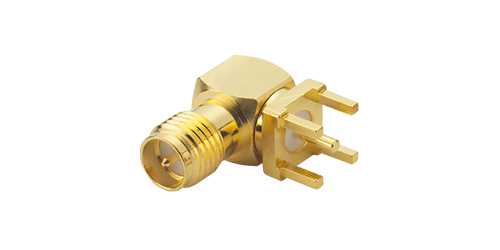
SMA male: The most common connector for IoT and telematics equipment.
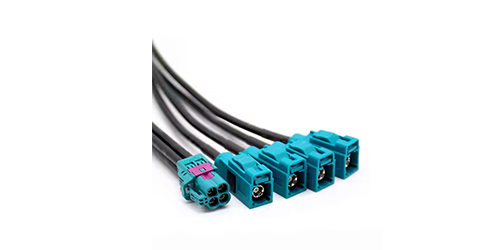
FAKRA: Widely used in automotive applications, with color-coded variants (blue for GPS, purple for 4G) to prevent misconnection.
TNC: Used in some ruggedized and military-grade antennas.
Choosing the right connector is essential, as adapters introduce additional loss and potential failure points.
Operating Temperature
A wide operating temperature range, typically -40°C to +85°C, ensures that the antenna functions reliably in extreme climates, from arctic cold to desert heat. This is particularly important for automotive and industrial applications where temperature cycling is severe.

Applications: Where Waterproof 2-in-1 GPS 4G Antennas Excel
The versatility of waterproof 2-in-1 GPS 4G antennas makes them suitable for a remarkably broad range of applications. Each use case leverages the combination of cellular connectivity and precise positioning in a single, rugged package.
Fleet Management and Telematics
Fleet management is one of the largest markets for 2-in-1 GPS 4G antennas. Delivery trucks, service vehicles, and long-haul fleets require continuous location tracking and real-time data upload for route optimization, driver behavior monitoring, and remote diagnostics. A waterproof 2-in-1 antenna mounted on the vehicle roof provides both functions with a single installation, reducing downtime and maintenance costs. The Unictron MT4B-AC-BL03, with its 5-meter cables and IP67 rating, is specifically designed for fleet management and telematics applications.
Asset Tracking and Logistics
For high-value cargo, containers, and trailers, asset tracking devices need to report their location and status over cellular networks. A compact 2-in-1 antenna with adhesive or magnetic mounting allows for quick deployment on a wide range of assets without drilling or permanent modification. The low-profile design and IP67/IP69 ratings ensure the antenna survives the rigors of transportation and outdoor storage.
Industrial IoT and Remote Monitoring
Industrial IoT (IIoT) deployments in oil and gas, mining, utilities, and manufacturing often take place in remote or harsh environments. A waterproof 2-in-1 GPS 4G antenna enables remote monitoring of equipment, environmental sensors, and SCADA systems, with GNSS providing time synchronization and location context. The robust construction and wide temperature range make these antennas suitable for deployment on pipelines, wellheads, and remote pump stations.
Marine and Coastal Applications
Marine vessels, buoys, and coastal monitoring stations require antennas that can withstand salt spray, wave action, and continuous UV exposure. IP68-rated 2-in-1 antennas are particularly well-suited for these applications, providing reliable 4G connectivity for vessel tracking and GNSS positioning for navigation. Deep-sea ROVs and marine survey equipment also benefit from the compact, submersible design.
Smart Agriculture
Precision agriculture relies on GPS-guided tractors, drones, and sensor networks to optimize planting, irrigation, and harvesting. A waterproof 2-in-1 GPS 4G antenna mounted on agricultural machinery provides both the positioning accuracy needed for auto-steering and the cellular connectivity required for data upload to farm management platforms. The IP69K rating is particularly valuable here, as agricultural equipment is frequently washed down with high-pressure water.
Autonomous Vehicles and Robotics
Autonomous vehicles, drones, and industrial robots depend on continuous GNSS positioning and low-latency cellular connectivity for safe operation. A 2-in-1 GPS 4G antenna delivers both in a compact form factor that can be integrated into the vehicle's roof or body. The high GNSS gain ensures reliable satellite acquisition, while the wideband cellular element supports real-time video streaming and remote control.
Smart Cities and Infrastructure
Smart city deployments—including intelligent transportation systems, smart parking, and environmental monitoring—increasingly rely on combo antennas for cost-effective, space-saving connectivity. A single 2-in-1 GPS 4G antenna can serve traffic cameras, parking meters, and air quality sensors, reducing the visual clutter and installation complexity associated with multiple antennas.
Installation Guide: Mounting a Waterproof 2-in-1 GPS 4G Antenna
Proper installation is critical to the performance and longevity of a waterproof 2-in-1 GPS 4G antenna. While specific procedures vary by model, the following general guidelines apply to most installations.
Step 1: Site Survey and Preparation
Before installation, survey the mounting location to ensure:
Clear sky view: The GNSS element requires an unobstructed view of the sky to acquire satellite signals. Avoid mounting under metal structures, tree canopies, or near tall obstructions.
Minimal cellular obstruction: The LTE element should be mounted where it has the best possible line of sight to the nearest cell tower, ideally on the highest point of the vehicle or structure.
Adequate cable routing: Plan the cable path from the antenna to the radio equipment, ensuring sufficient length and avoiding sharp bends or areas of high heat or abrasion.
Step 2: Mounting Options
Waterproof 2-in-1 GPS 4G antennas are available with several mounting options, each suited to different applications:
Adhesive Mount: The antenna is attached to a flat surface using a high-strength adhesive patch. This method requires no drilling and is ideal for temporary or low-vibration installations. The Grid Connect 2-in-1 antenna uses an adhesive mount with an included patch, making installation simple and non-invasive.
Screw Mount: A threaded stud or bolt passes through a hole in the mounting surface and is secured from below with a nut and washer. This provides the most secure and durable mounting, suitable for vehicle roofs, marine decks, and industrial equipment. The Unictron MT4B-AC-BL03 uses a screw mount with base launch cables for external use.
Magnetic Mount: A strong magnet in the antenna base allows for quick, tool-free installation on any ferrous metal surface. This is ideal for temporary deployments or applications where the antenna may need to be relocated. Magnetic mounts are not recommended for high-speed or high-vibration applications unless additional securing measures are used.
Through-Hole Mount: The antenna's threaded shaft passes through a drilled hole (typically 25 mm or 0.98 inches in diameter) and is secured from below. This is a common method for roof-mounted antennas on vehicles and fixed structures.
Step 3: Sealing and Waterproofing
Even though the antenna itself is waterproof, the mounting interface must also be sealed to prevent water ingress into the vehicle or enclosure. Apply a bead of silicone sealant or use a rubber gasket around the base of the antenna where it meets the mounting surface. For through-hole mounts, ensure the gasket is properly seated and tighten the mounting nut to the manufacturer's specified torque.
Step 4: Cable Routing and Connection
Route the antenna cables through the mounting hole or a separate cable entry point, using grommets or cable glands to protect against chafing and water ingress. Connect the LTE cable (often color-coded red) to the cellular radio port and the GNSS cable (often color-coded blue) to the GPS/GNSS receiver port. Ensure connectors are fully seated and tightened to prevent signal loss.
Step 5: Testing and Verification
After installation, verify the following:
Cellular signal strength: Use the radio's diagnostic interface to confirm adequate signal strength (RSRP, RSRQ) and data connectivity.
GNSS fix: Confirm that the receiver achieves a 3D fix and that the number of tracked satellites is satisfactory (typically 8 or more for reliable positioning).
VSWR check: If possible, use a VSWR meter to confirm that the antenna system is properly matched and that no cable damage occurred during installation.
Waterproof integrity: Perform a visual inspection and, if feasible, a water spray test to confirm that the mounting seals are watertight.
Selection Criteria: How to Choose the Right Waterproof 2-in-1 GPS 4G Antenna
With dozens of models available from manufacturers such as Taoglas, Poynting, Quectel, Unictron, and Grid Connect, selecting the right waterproof 2-in-1 GPS 4G antenna requires careful evaluation of your specific requirements.
1. Frequency Band Compatibility
Match the antenna's frequency range to the cellular bands used by your network operator. If you are deploying globally, choose an antenna that covers the widest possible range, including 698–960 MHz, 1710–2690 MHz, and 2500–2700 MHz. For 5G deployments, look for antennas that extend to 3800 MHz or higher.
2. Waterproof Rating
Select an IP rating appropriate to your environment:
IP67 for standard outdoor use, vehicle mounting, and general IoT deployments.
IP68 for marine, deep-water, or continuously submerged applications.
IP69K for high-pressure washdown environments, such as heavy trucks and construction equipment.
3. Gain Requirements
For GNSS, higher gain (27–28 dB) is generally better for challenging signal environments. For cellular, moderate gain (2–5 dBi) is usually sufficient for omnidirectional coverage. Avoid excessively high cellular gain, as it narrows the radiation pattern and may reduce coverage in some directions.
4. Cable Length and Connector Type
Choose a cable length that reaches from the mounting location to the radio equipment without excessive slack. Longer cables introduce more signal loss, so select the shortest practical length. Ensure the connector type matches your equipment—SMA male is the most common, but FAKRA and TNC are also used in specific applications.
5. Mounting Method
Select a mounting method compatible with your installation surface and requirements. Adhesive and magnetic mounts offer quick, non-invasive installation, while screw and through-hole mounts provide greater security and durability.
6. Environmental Durability
Beyond the IP rating, consider UV stability, salt-spray resistance, and operating temperature range. For deployments in coastal or industrial environments, choose antennas with anti-salt-spray coatings and UV-stabilized housings.
7. Certification and Compliance
Ensure the antenna carries the necessary certifications for your target market, including CE, RoHS, and REACH compliance. For automotive applications, check for ECE-R118 compliance or other relevant automotive standards.
Market Trends: The Future of Waterproof 2-in-1 GPS 4G Antennas
The market for waterproof 2-in-1 GPS 4G antennas is evolving rapidly, driven by three interconnected trends: miniaturization, multi-band integration, and high waterproofing.
Trend 1: Miniaturization
Modern IoT devices are becoming smaller and more densely packed, leaving less room for RF components. Antenna manufacturers are responding with compact designs that use high-dielectric ceramic substrates and stacked patch structures to reduce size without sacrificing performance. Miniaturized GNSS patch antennas as small as 20×20×8 mm can now support GPS, BeiDou, Galileo, and GLONASS simultaneously. This trend is particularly important for portable trackers, drones, and wearable devices.
Trend 2: Multi-Band Combo Integration
While 2-in-1 GPS + 4G antennas remain the most popular configuration for many applications, the market is moving toward higher levels of integration. 3-in-1 antennas that add Wi-Fi, and 5-in-1 or 7-in-1 antennas that combine multiple cellular MIMO, Wi-Fi, and GNSS elements, are becoming increasingly common. These combo antennas reduce BOM costs, simplify wiring, and streamline production by replacing multiple mounting holes with a single installation point.
Trend 3: High Waterproofing and Ruggedization
With over 60% of IoT equipment deployed outdoors, waterproofing has become a primary purchasing criterion. In 2026, buyers prioritize IP67/IP68/IP69K waterproof antennas, with IP67 as the minimum standard for outdoor projects. UV-stabilized shells, anti-salt-spray bases, and wide temperature resistance are also in high demand. This trend is expected to continue as IoT deployments expand into increasingly challenging environments.
Market Growth
The global RF external antennas market, which includes waterproof 2-in-1 GPS 4G antennas, is projected to grow from US$2,524 million in 2025 to US$4,429 million in 2032, representing a compound annual growth rate (CAGR) of 8.4%. The industrial and remote-infrastructure segment is expected to be the fastest-growing, driven by investments in autonomous operations, remote control centers, and smart city infrastructure.
Frequently Asked Questions
Q: Can a waterproof 2-in-1 GPS 4G antenna be used indoors?
A: While technically possible, indoor use is not recommended for GNSS reception, as building materials significantly attenuate satellite signals. For indoor applications, consider a separate indoor cellular antenna and a GPS repeater system.
Q: What is the difference between an active and passive GNSS antenna?
A: An active GNSS antenna includes a built-in low-noise amplifier (LNA) that boosts the weak satellite signal before it reaches the receiver. Most 2-in-1 GPS 4G antennas use active GNSS elements with gains of 27–28 dB. Passive antennas have no amplifier and require a longer cable run to the receiver, which introduces more signal loss.
Q: How do I know if my antenna is truly waterproof?
A: Look for a specific IP rating (IP67, IP68, or IP69K) from a recognized testing standard. Manufacturers that claim "waterproof" without an IP rating should be treated with caution. Reputable brands like Taoglas, Poynting, and Quectel publish detailed IP certification data for their products.
Q: Can I extend the cable on my 2-in-1 antenna?
A: Extending the cable is possible but not recommended, as it introduces additional signal loss and potential impedance mismatches. If a longer cable is required, choose an antenna with a longer factory cable or use a low-loss coaxial extension cable with appropriate connectors. For GNSS, the DC power for the LNA must also pass through the extension, so ensure the cable and connectors are compatible.
Q: What is the typical lifespan of a waterproof 2-in-1 GPS 4G antenna?
A: With proper installation and a high-quality IP-rated design, these antennas can provide 5–10 years or more of reliable service. UV-stabilized housings, anti-corrosion materials, and robust sealing are key factors in longevity. Regular visual inspections for cracks, seal degradation, or cable damage can help identify issues before they cause signal loss.
The waterproof 2-in-1 GPS 4G antenna represents a convergence of two essential technologies—cellular connectivity and satellite positioning—into a single, ruggedized package. For system integrators, fleet managers, and IoT solution providers, these antennas offer a compelling combination of simplicity, reliability, and cost-efficiency.
By understanding the technical specifications, IP ratings, installation best practices, and market trends outlined in this guide, you are well-equipped to select and deploy the right waterproof 2-in-1 GPS 4G antenna for your application. Whether you are building a fleet telematics system, a smart agriculture platform, or a marine tracking solution, the right antenna will ensure that your devices stay connected and precisely located—no matter how harsh the environment.
As the IoT ecosystem continues to expand and diversify, the demand for compact, multi-band, and highly durable antennas will only grow. The waterproof 2-in-1 GPS 4G antenna is not just a component; it is the enabling technology that keeps the connected world moving, communicating, and navigating with confidence.
Lucy Yang | lucy.y@toxutech.com
Dotty Zhao | sales04@toxutech.com
Global Business Director / Sales Team / Global Operations


 En
 Cn
 Korean
 Home >
